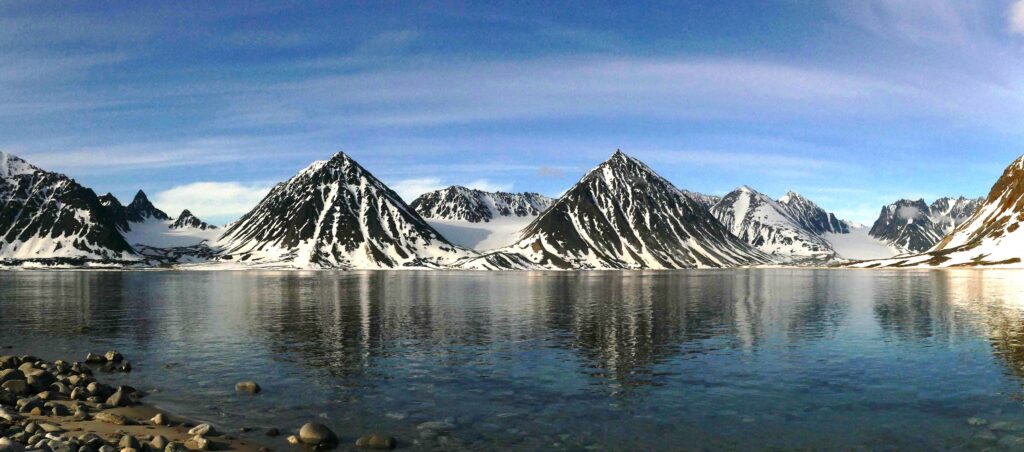
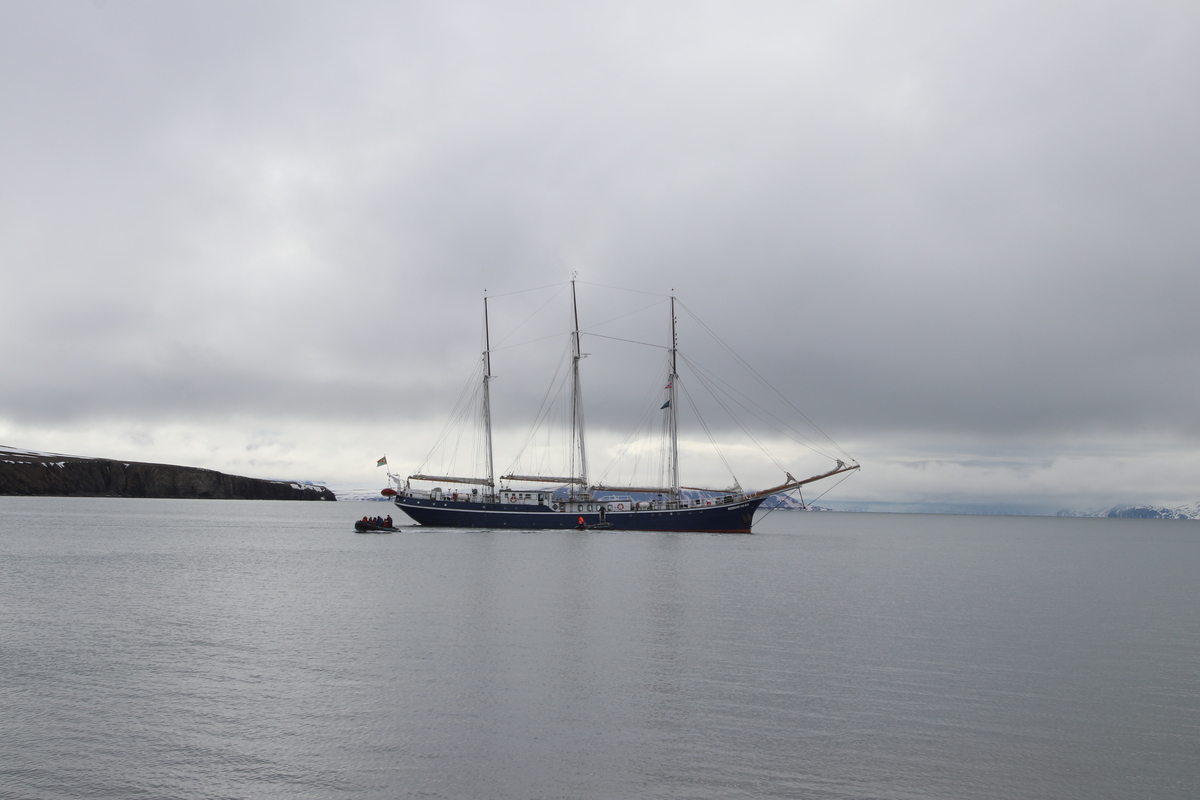
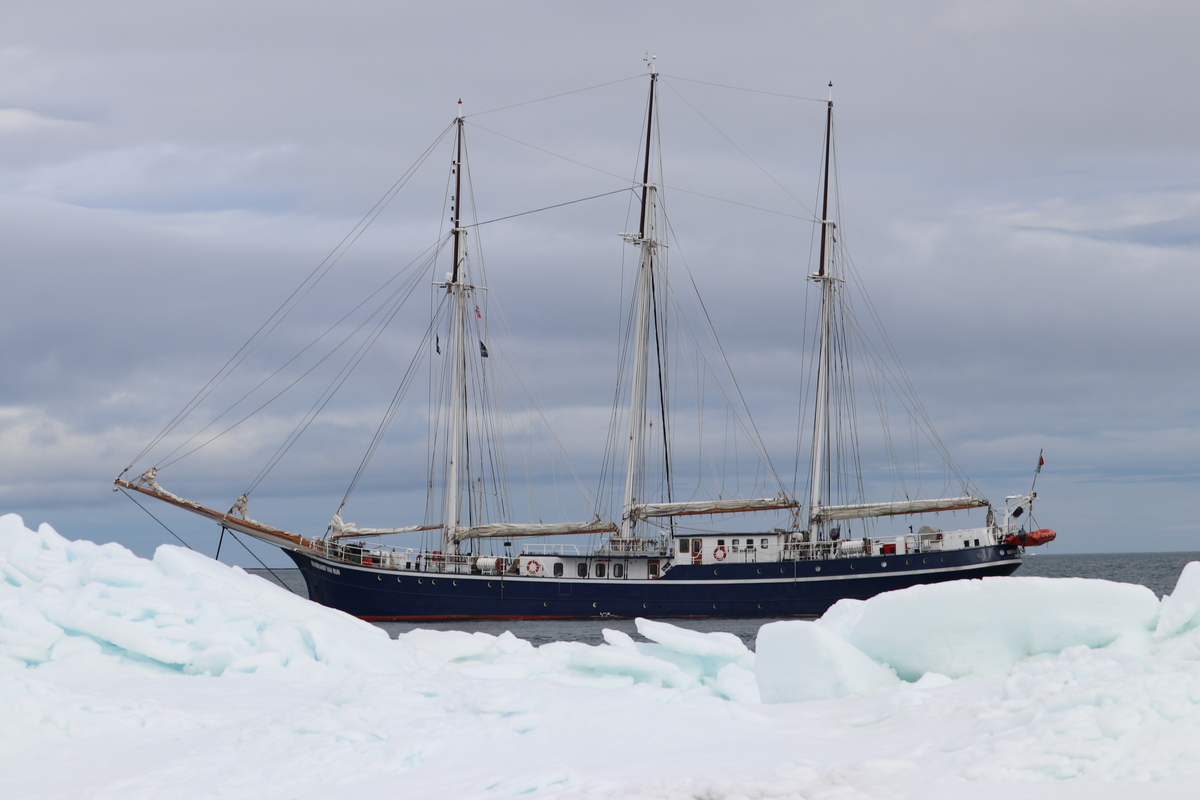
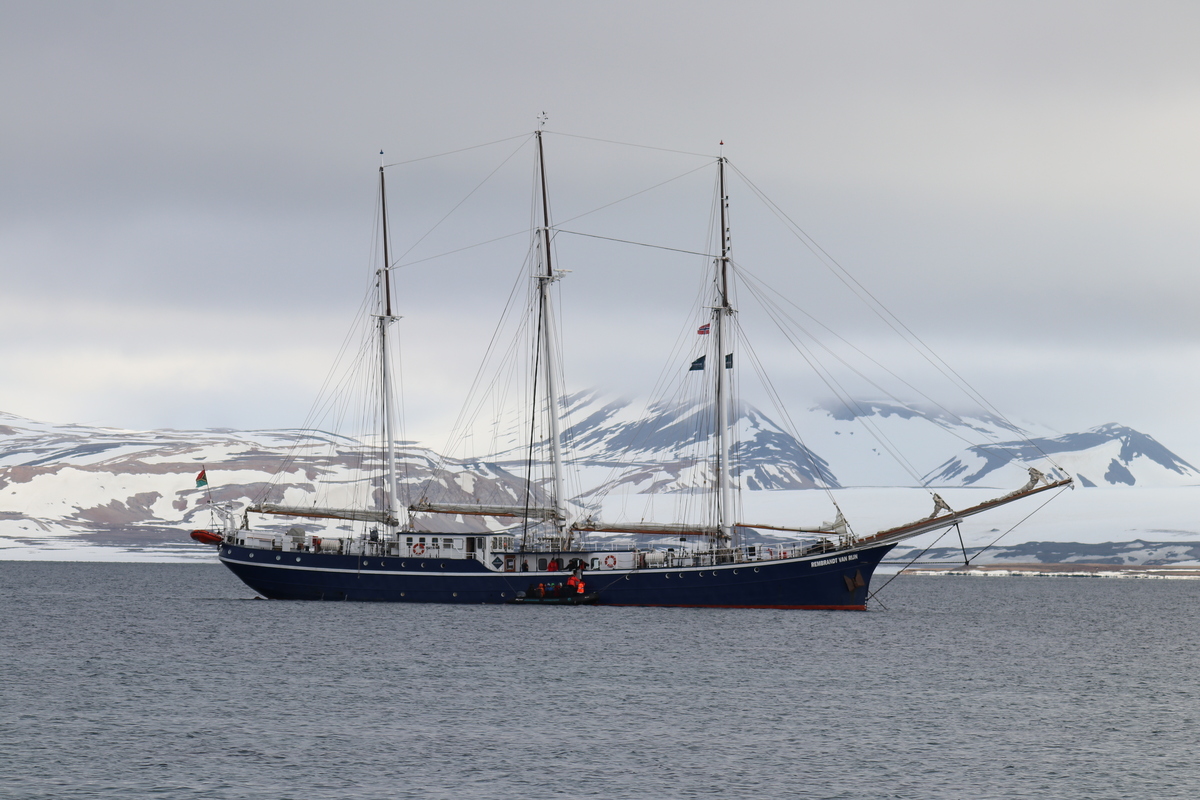
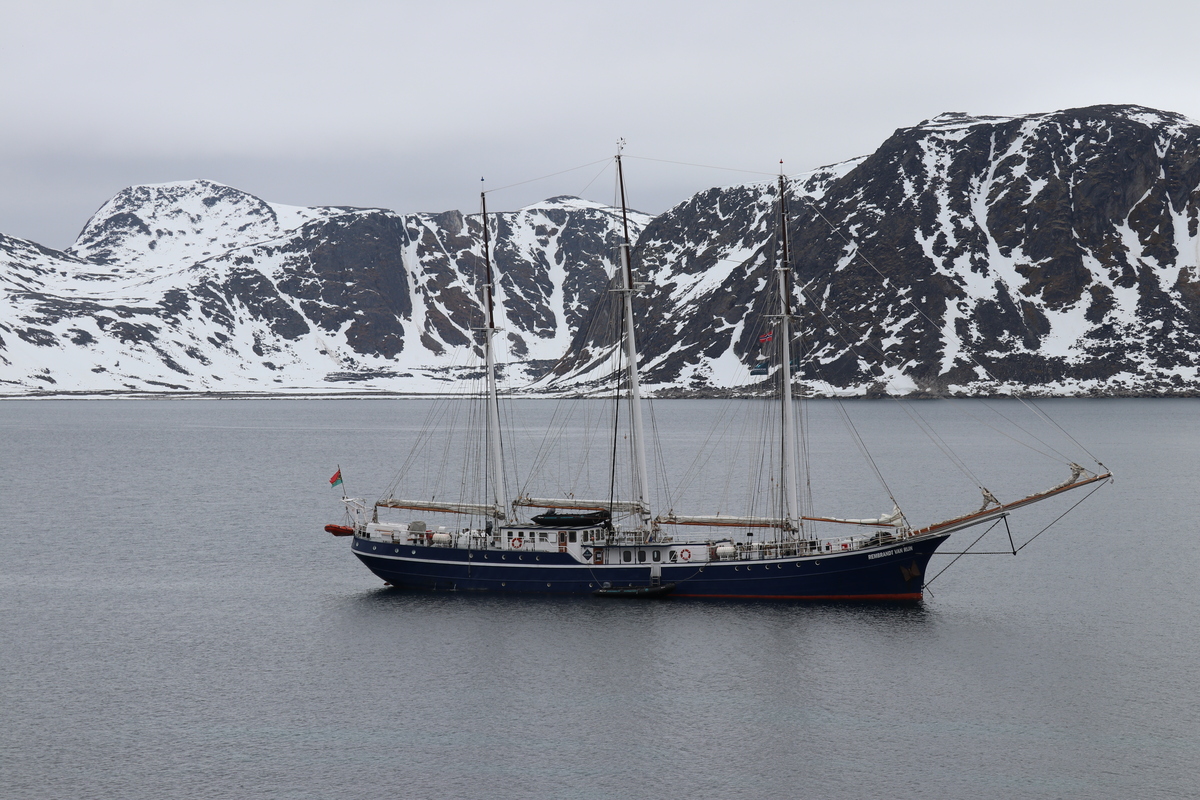
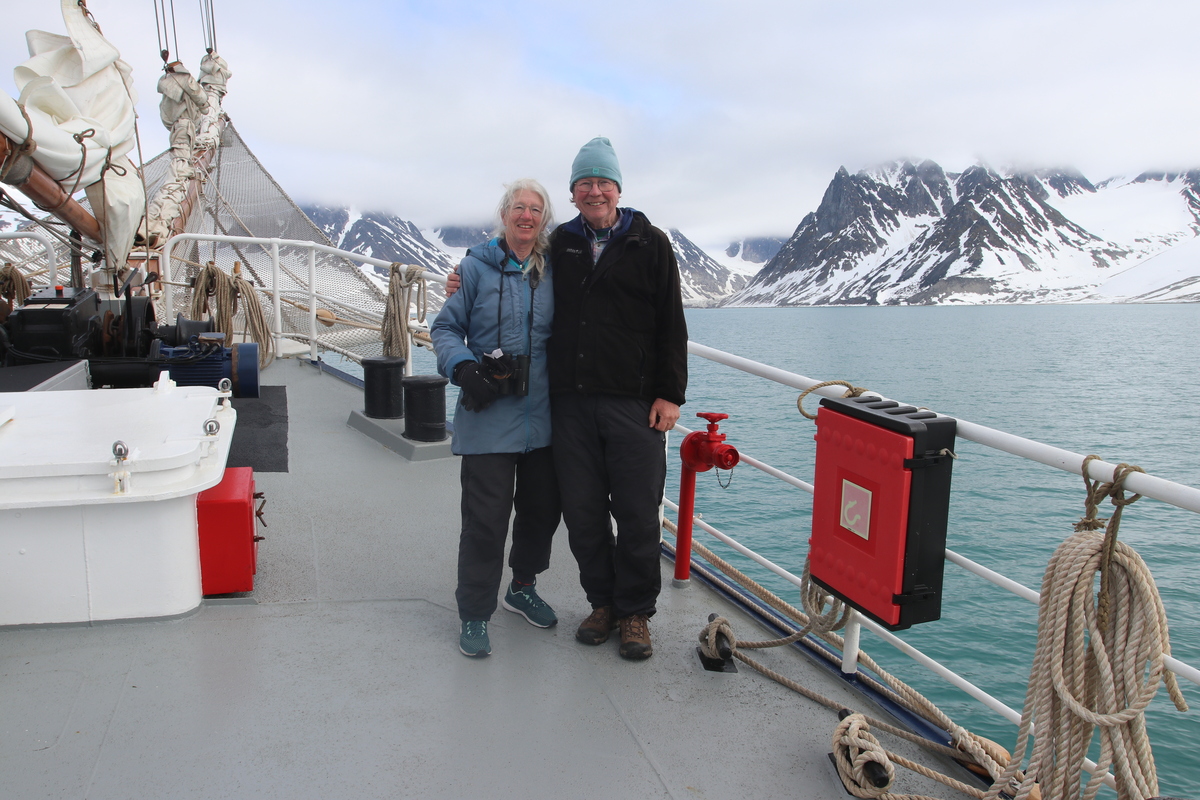
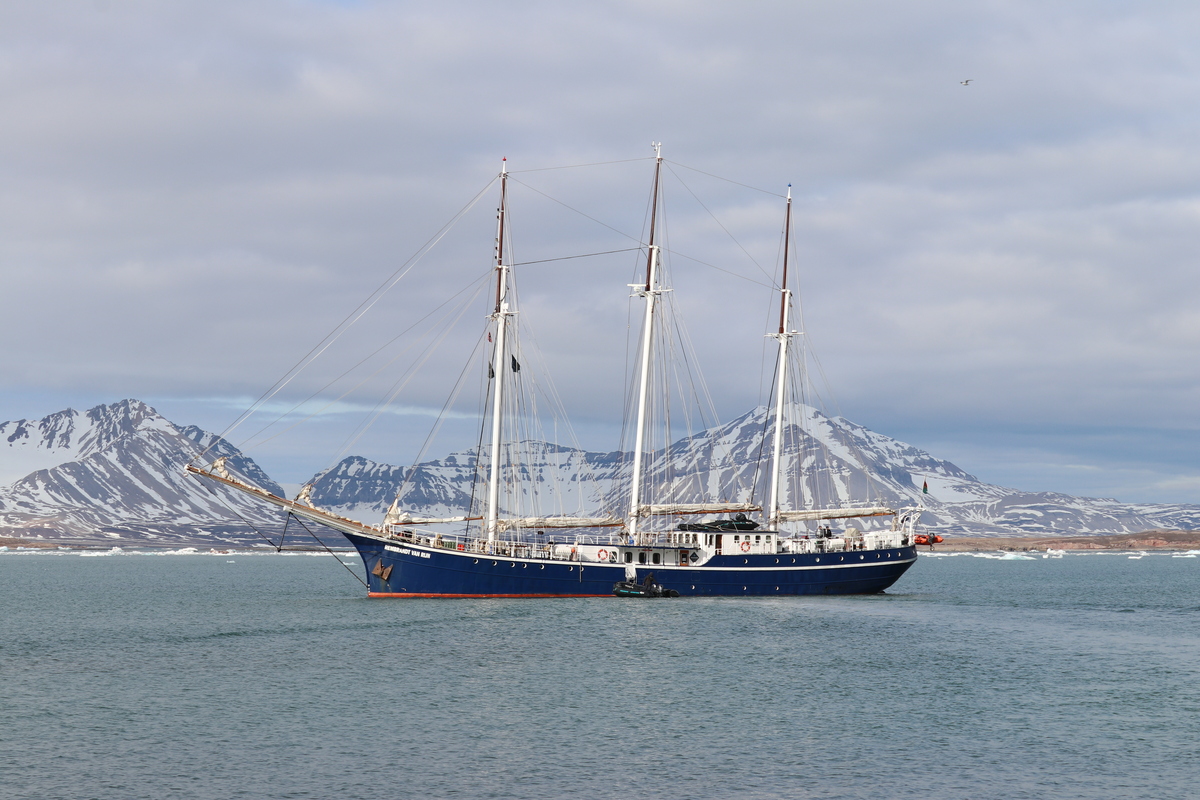
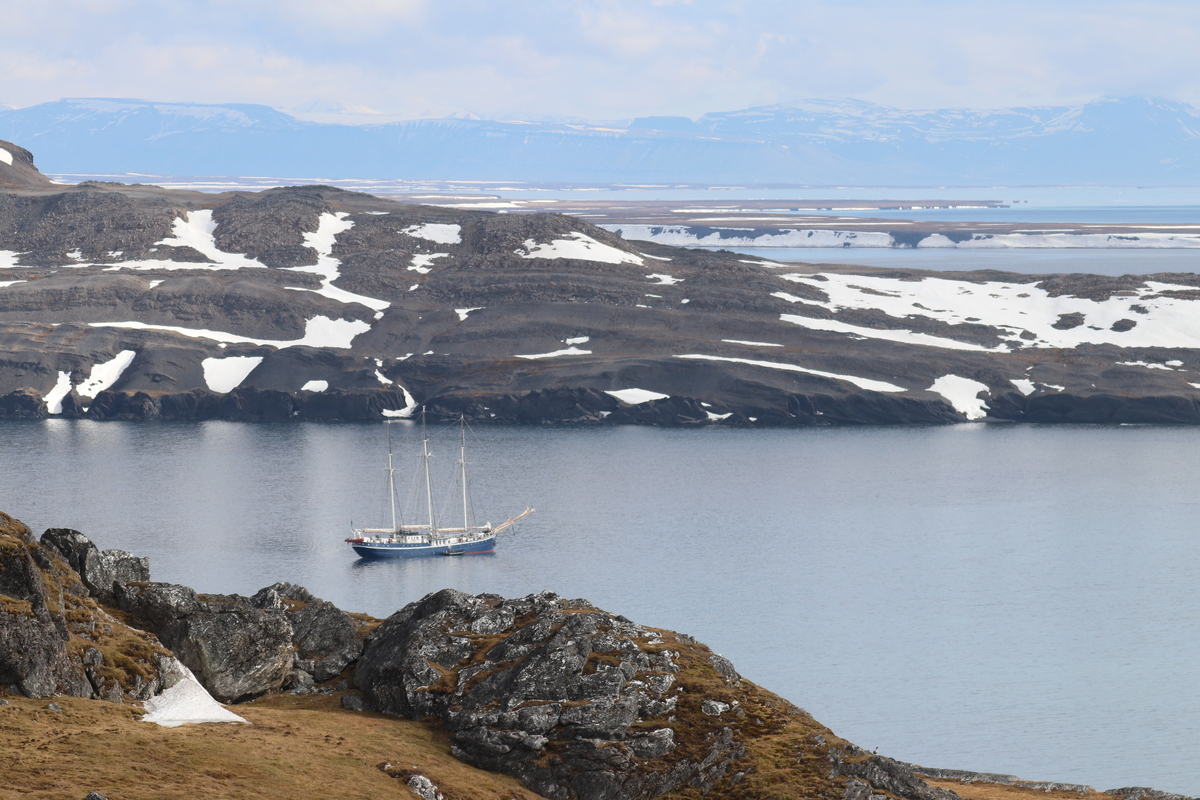
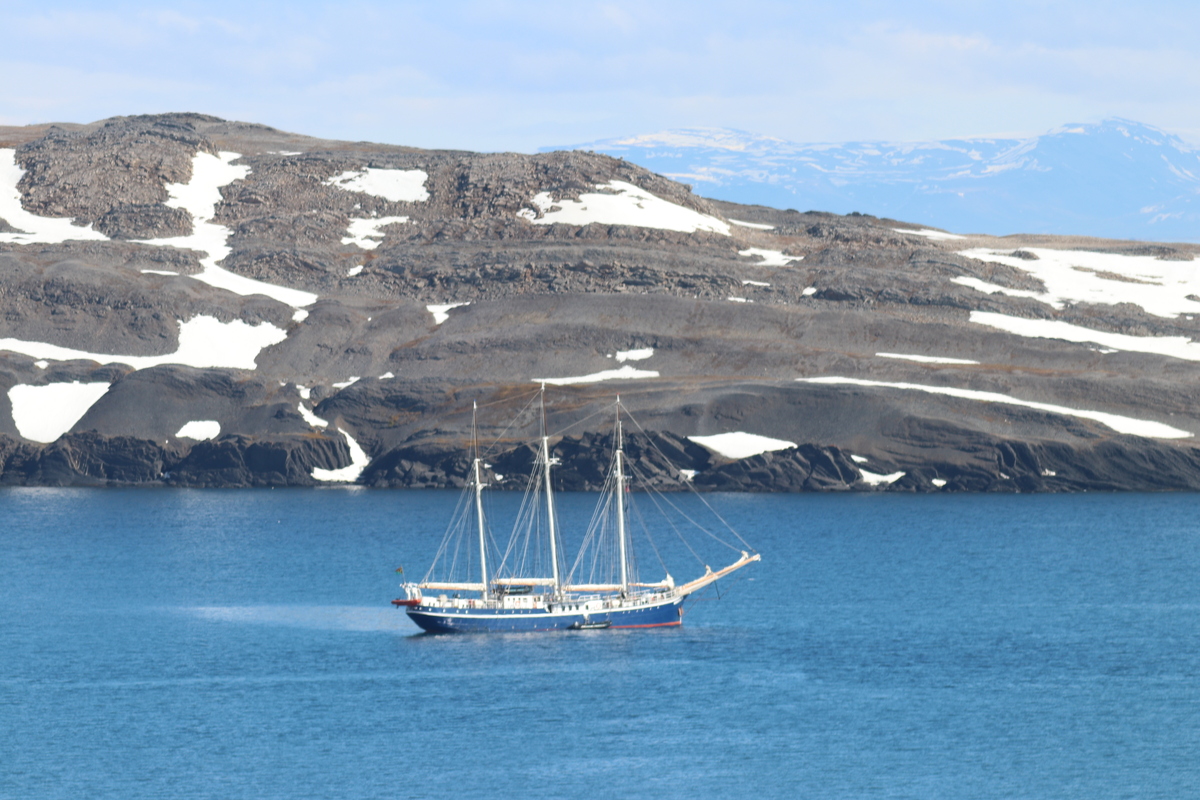
In June 2024 we had an amazing trip to Svalbard. We flew, via Oslo, to Longyearbyen where we joined the three-masted schooner Rembrandt van Rijn for a 10 day trip in the area. Our two guides, were Jordi Plana and Beth Hitchcock. They turned out to be excellent, as were all of the crew. There were 22 fellow passengers who were to provide great company throughout. To see larger versions click on a photo.
Day 1
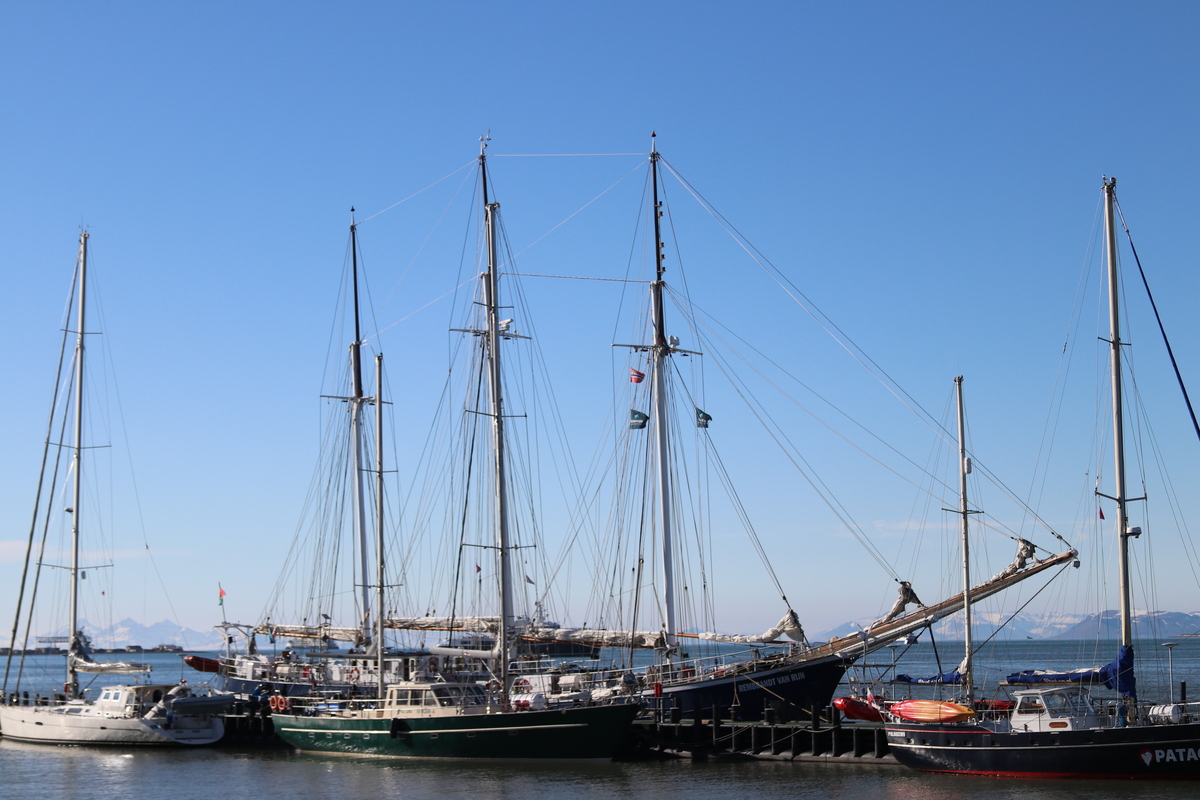

We had an evening in Longyearbyen before joining the ship. The highlight of this was a visit to the Spitsbergen Brewery where we sampled their Weissbeer. The next day was spent exploring the town and the fascinating museum. This showed much of the history of the area, including its discovery by Willem Barents on 17 June 1596.
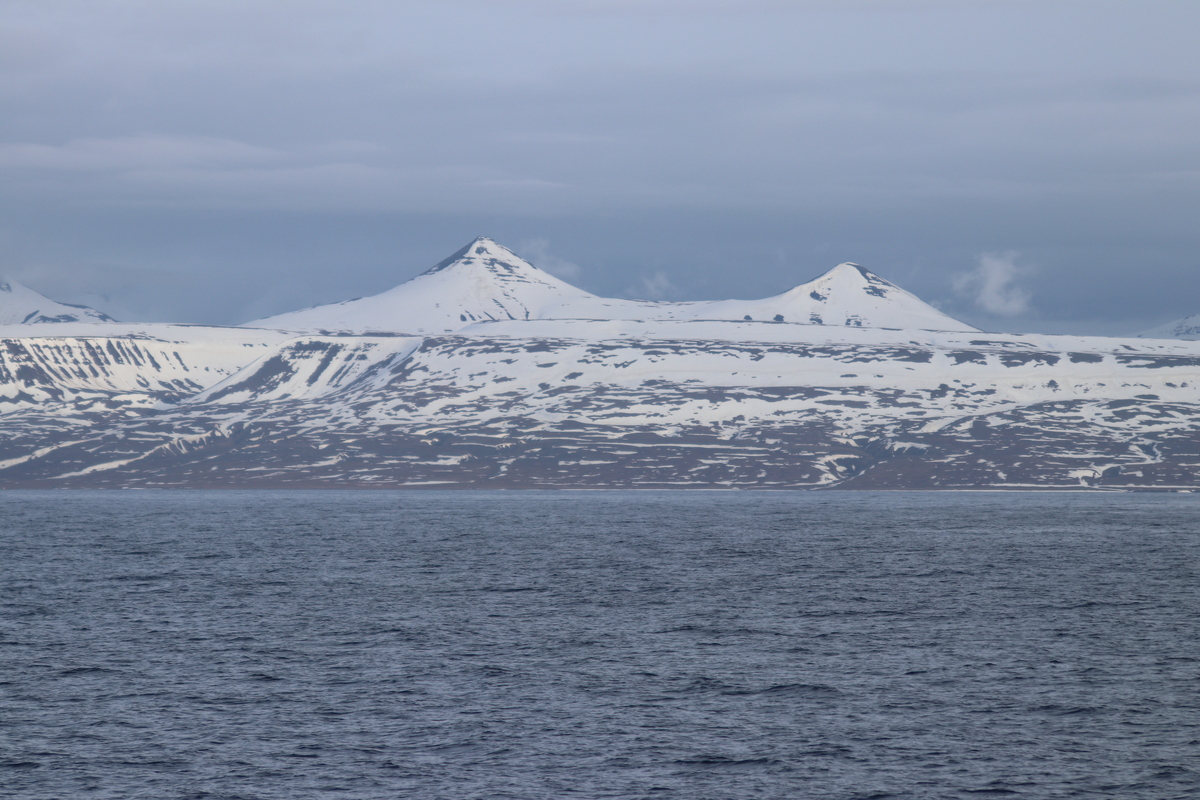
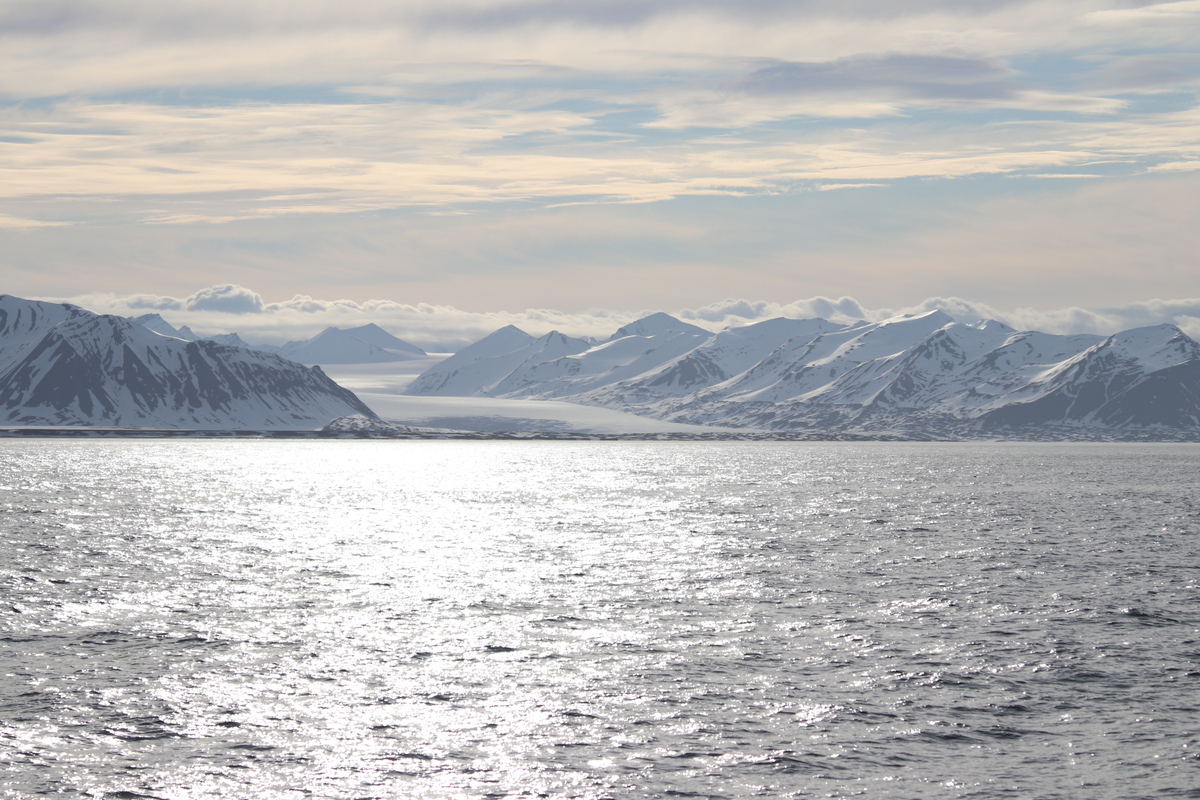
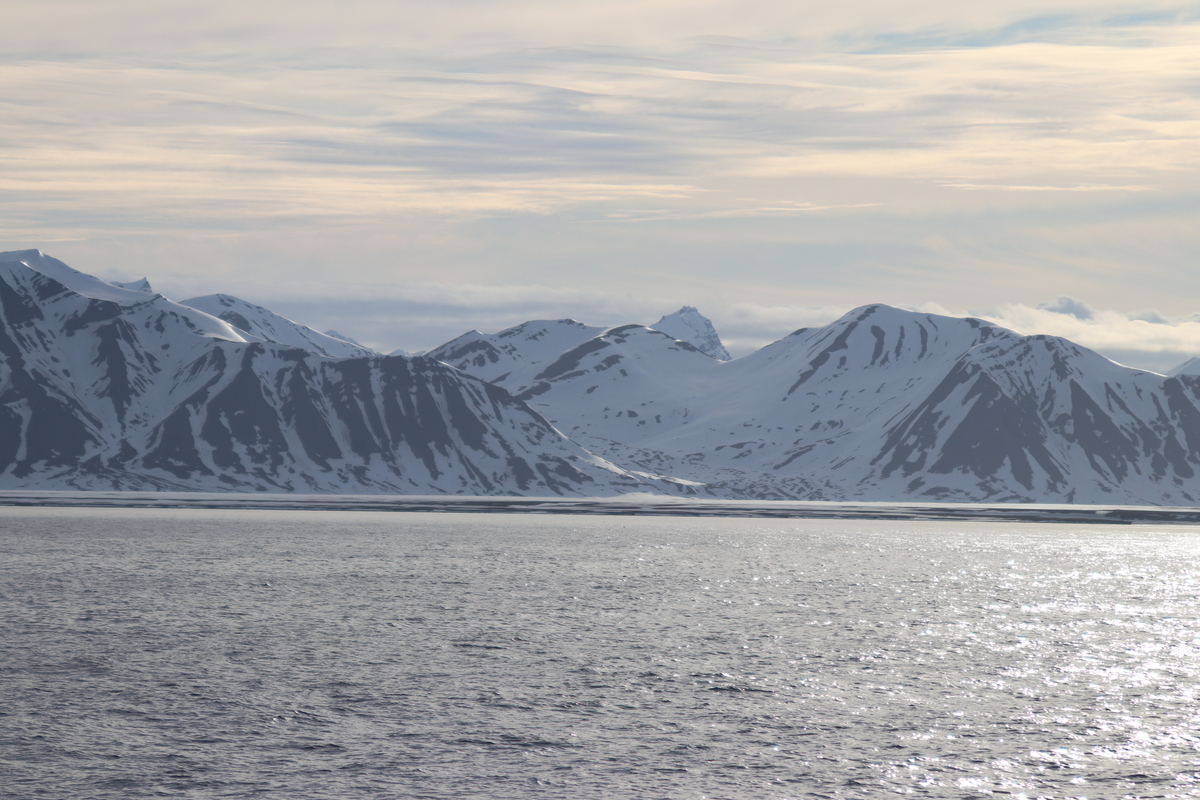
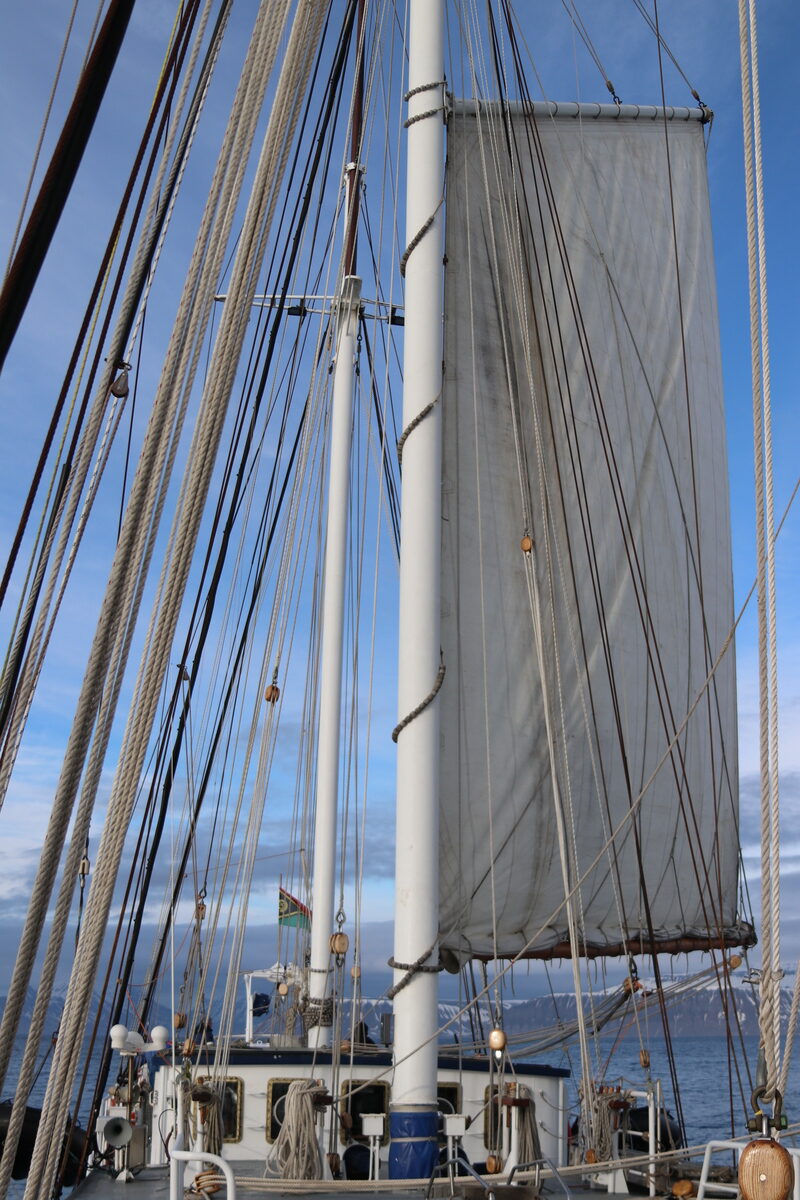
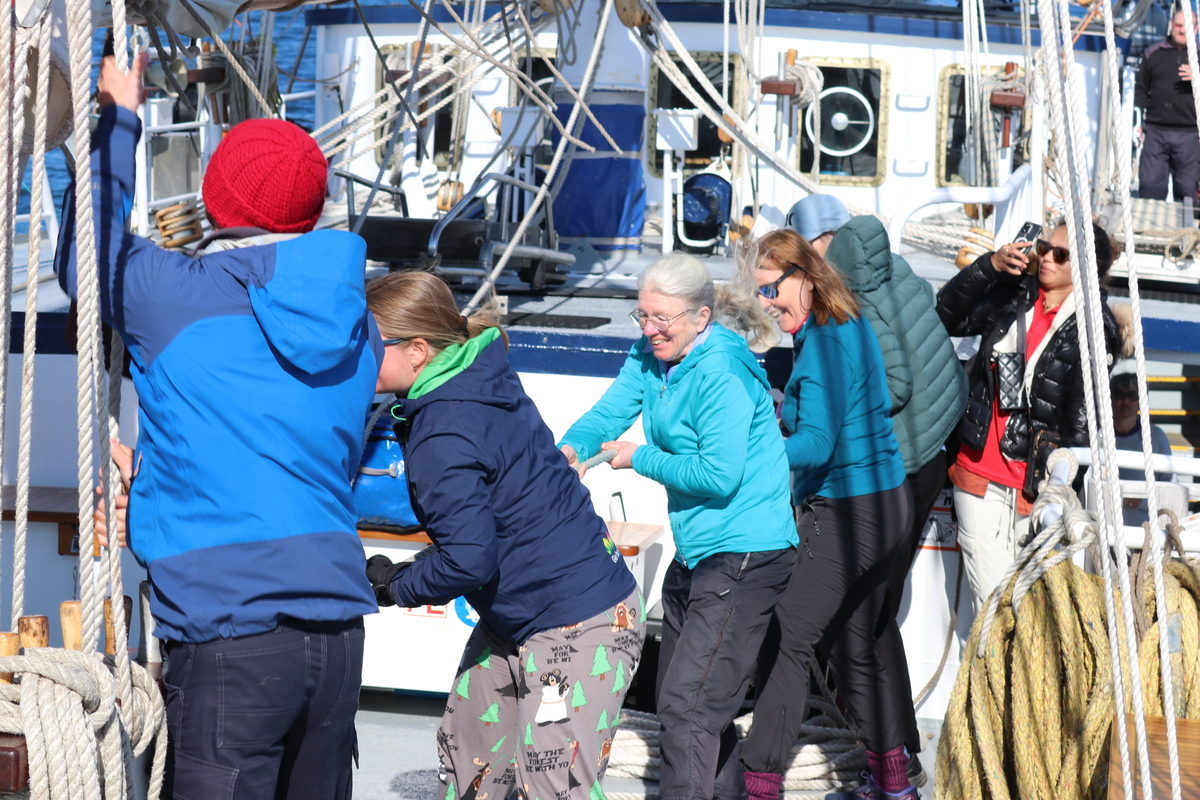
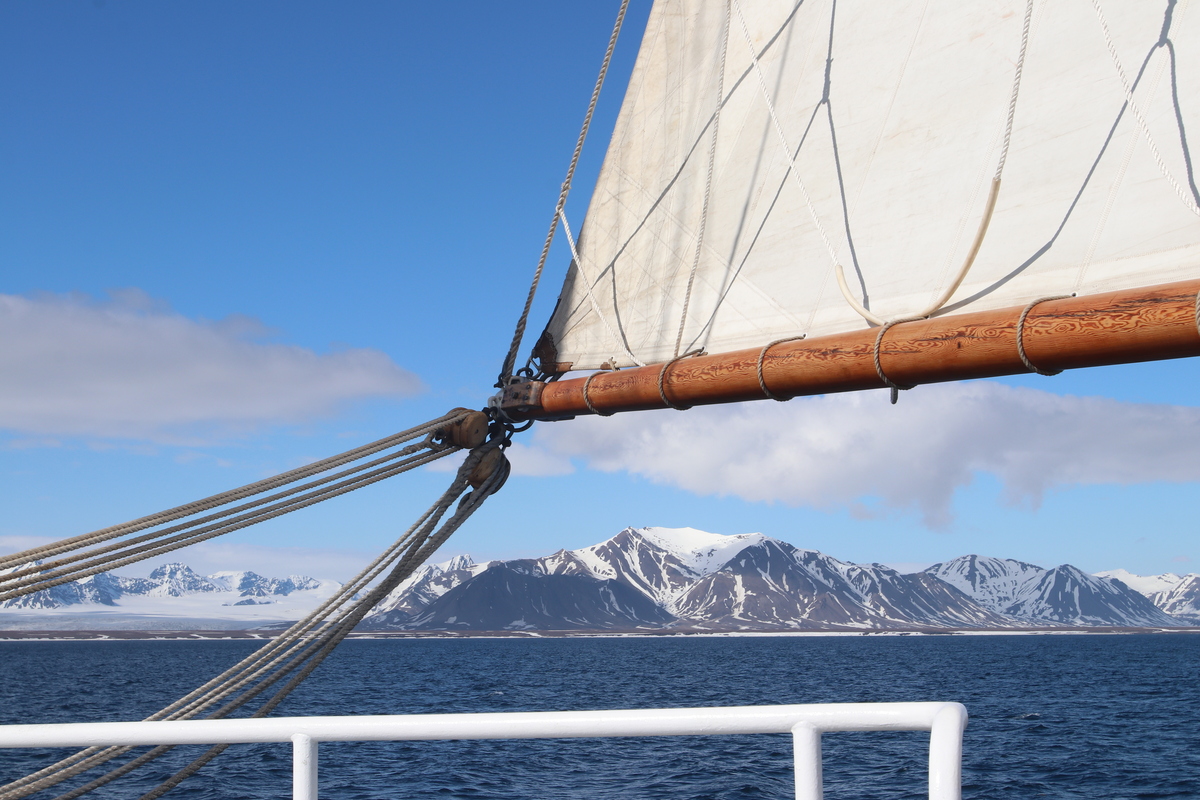
We boarded at 4:00pm and set sail down Isfjord. That first evening we did have the sails up for a couple of hours but then used the engine as we were heading for Krossfjord overnight.
Day 2
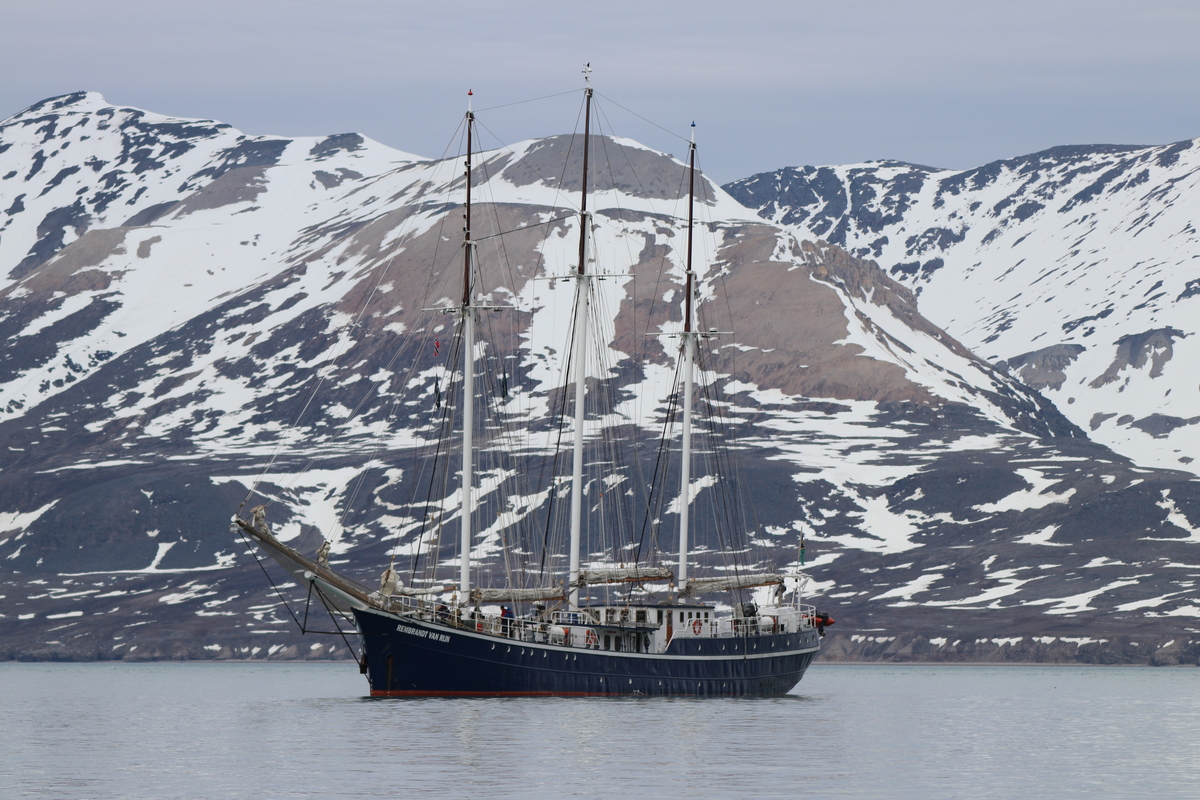
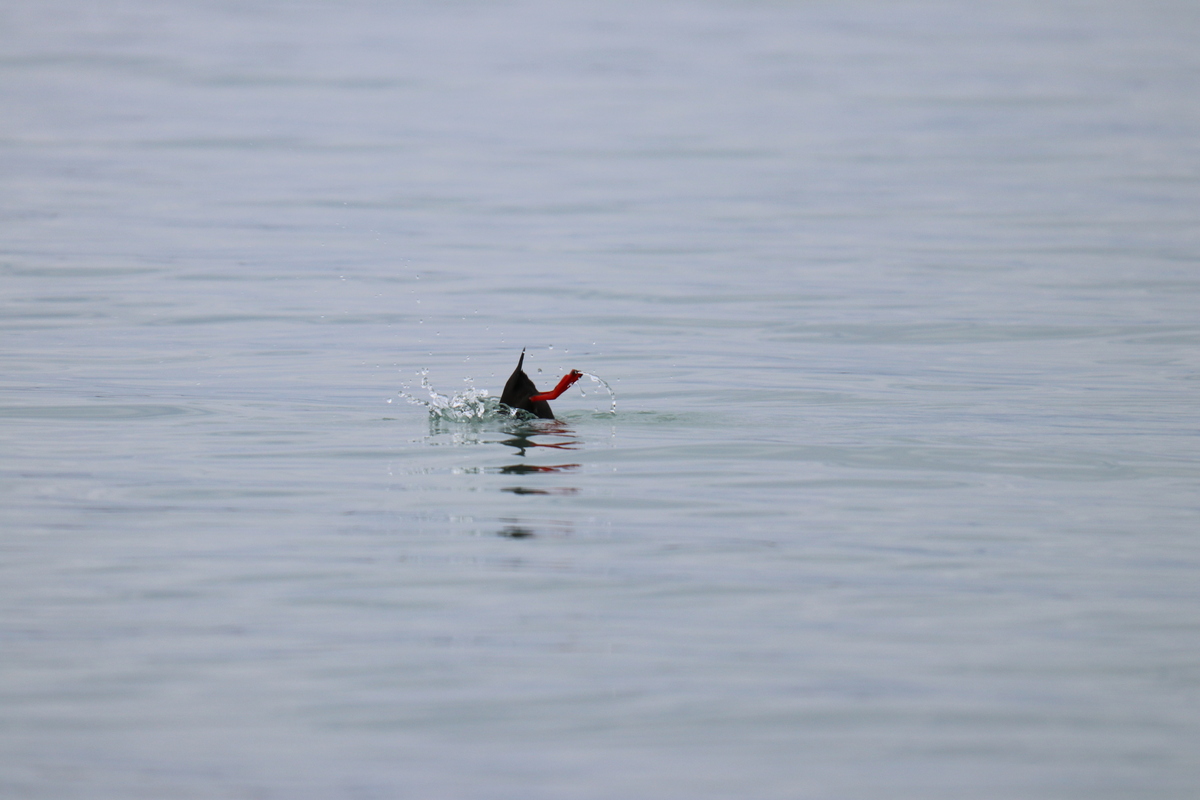
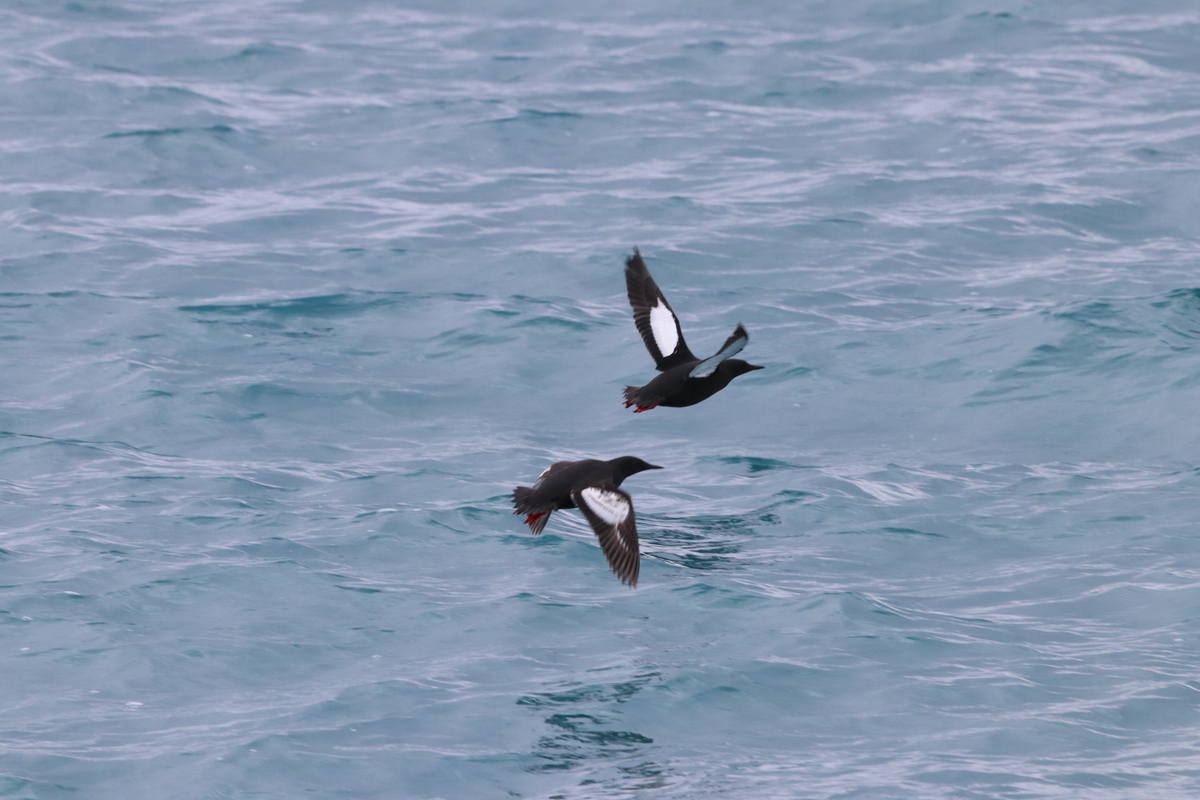
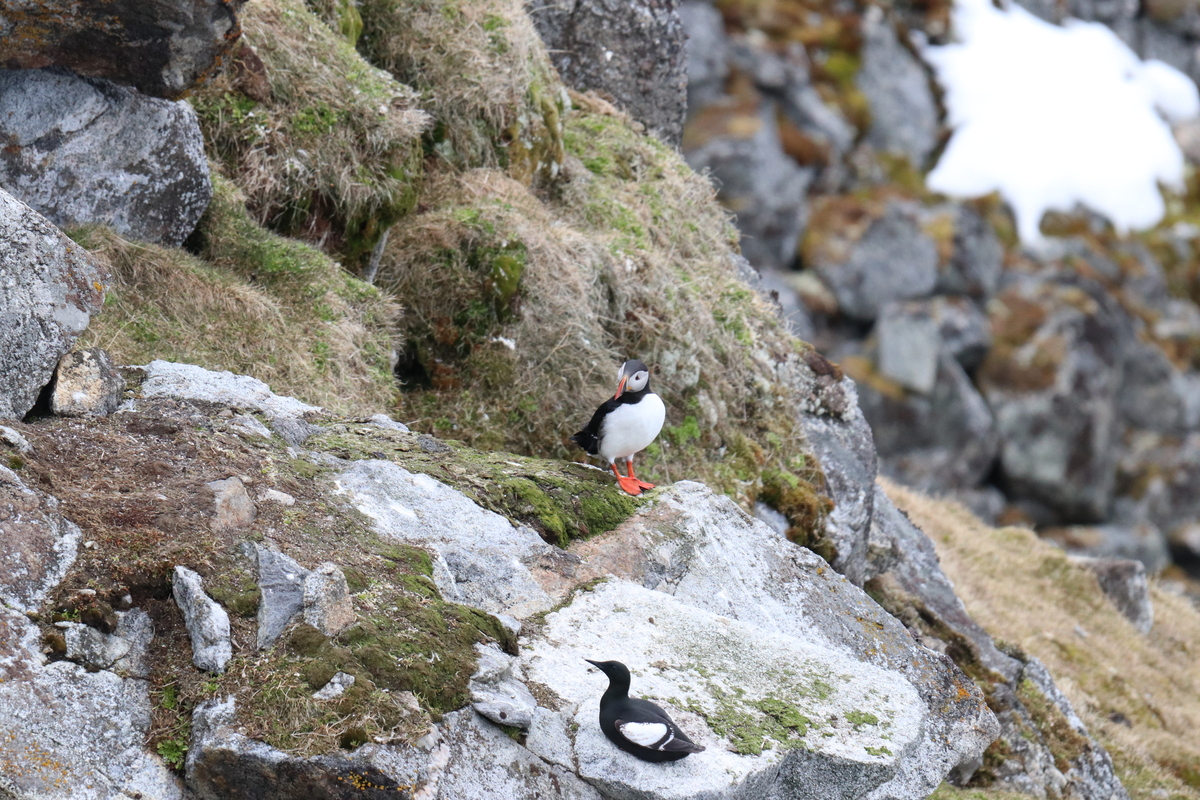
On our first full day we had two landings. The first was at the mouth of the fjord where we were lucky enough to see an arctic fox. Its tail was still white but the rest of its body was grey and brown. It was quite hard to pick out but the tail helped when it moved. We also saw some guillemots – not the common guillemot we know from Bempton in the UK but Brünnich’s guillemots with more white markings and blacker feathers – together with puffins and black guillemots.
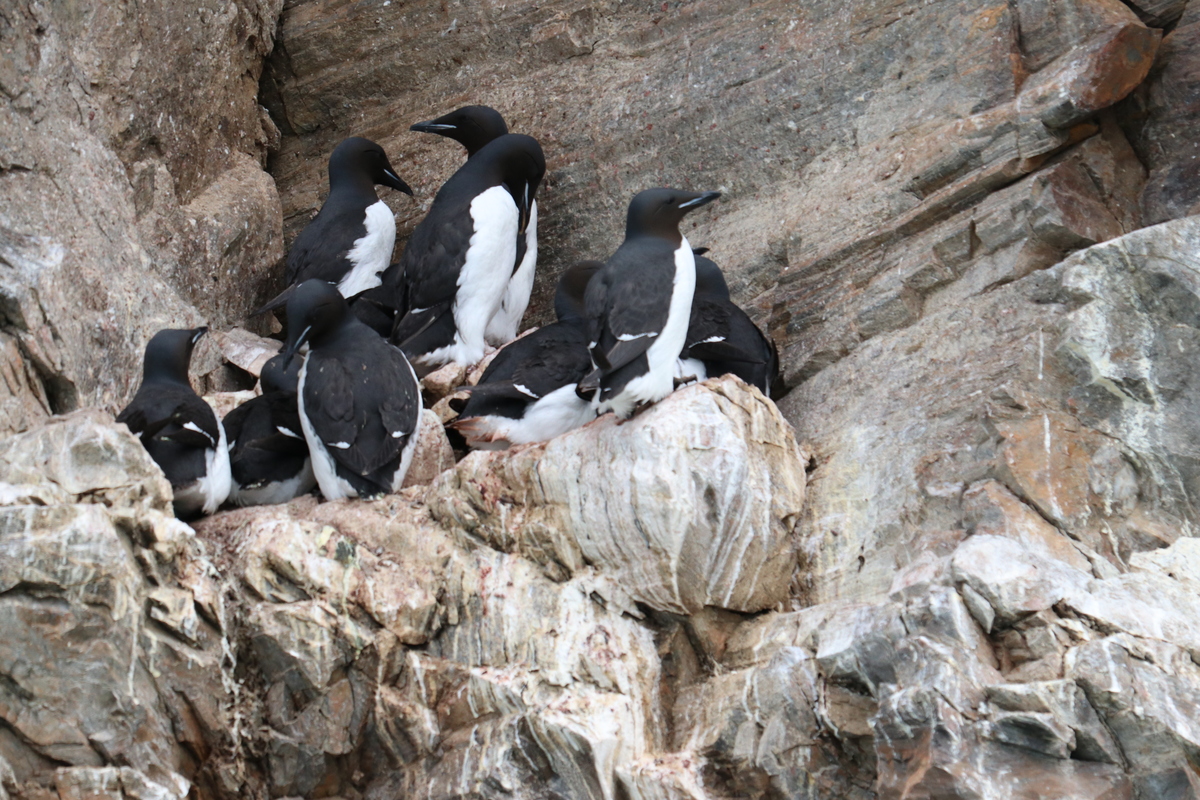
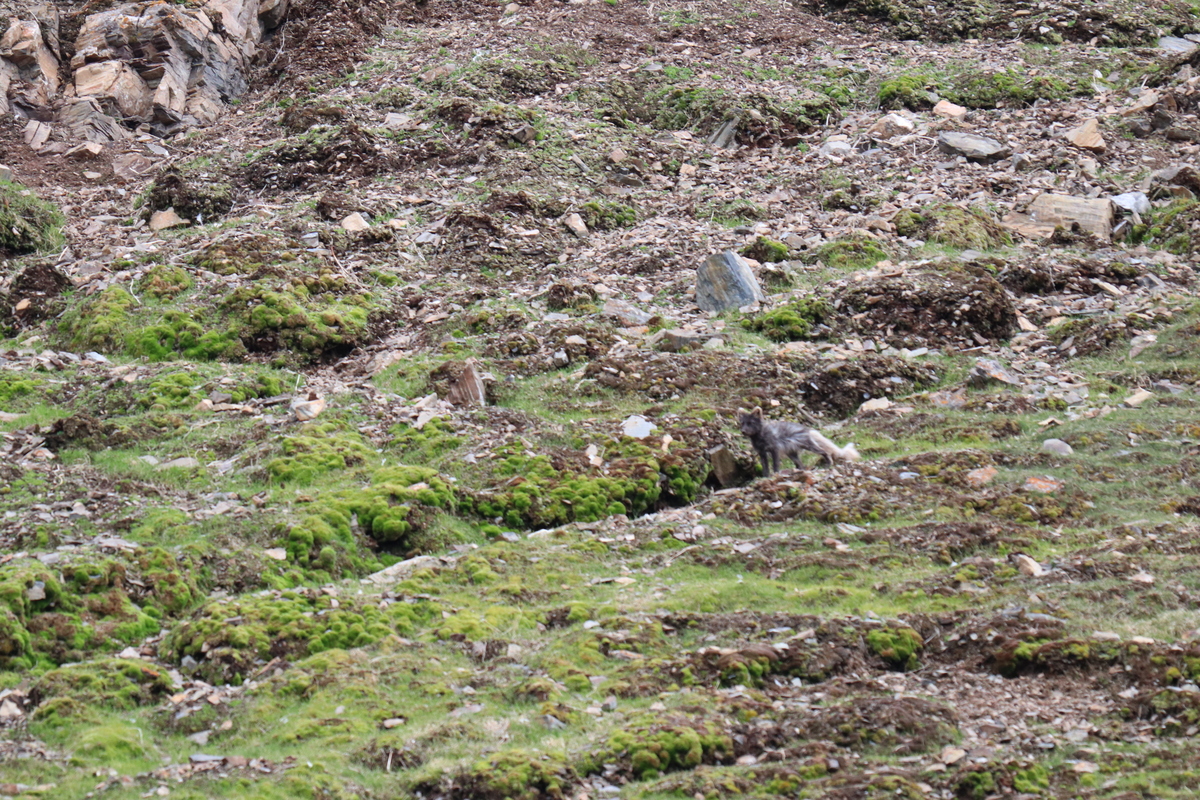
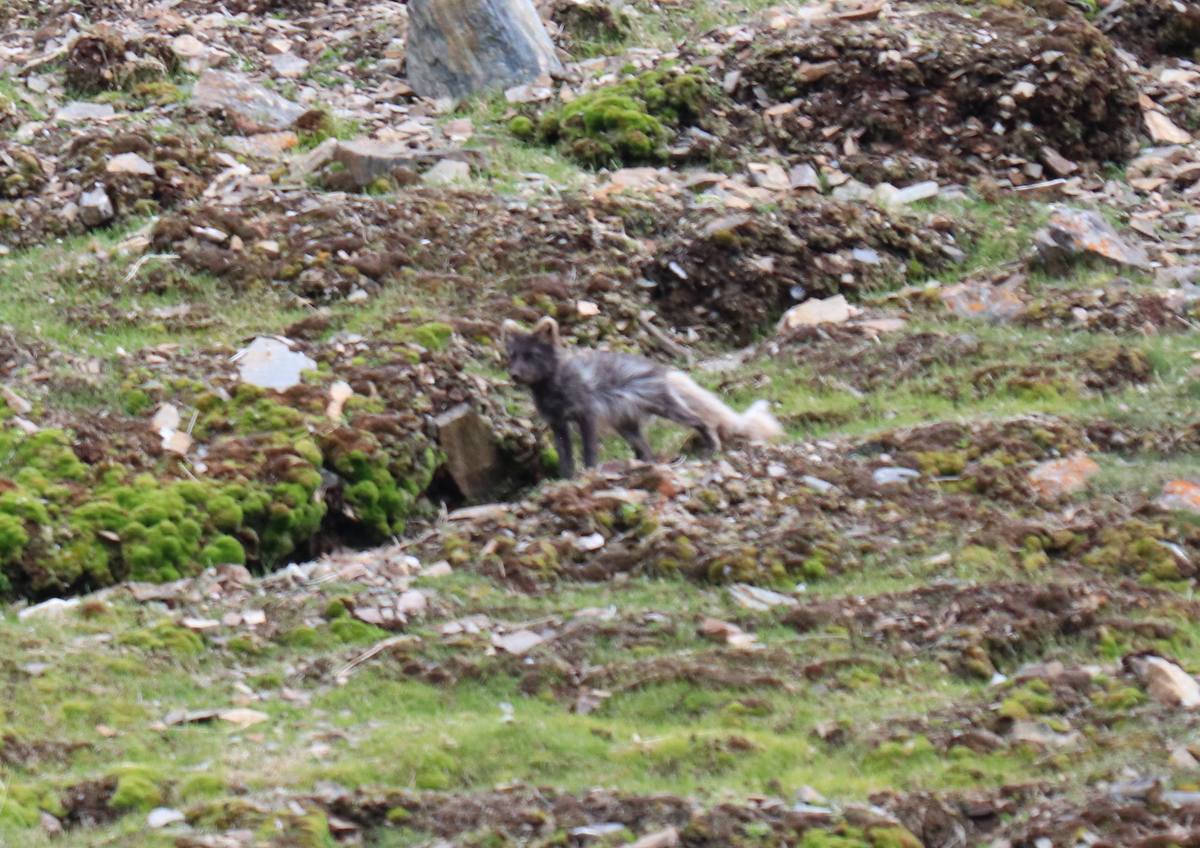
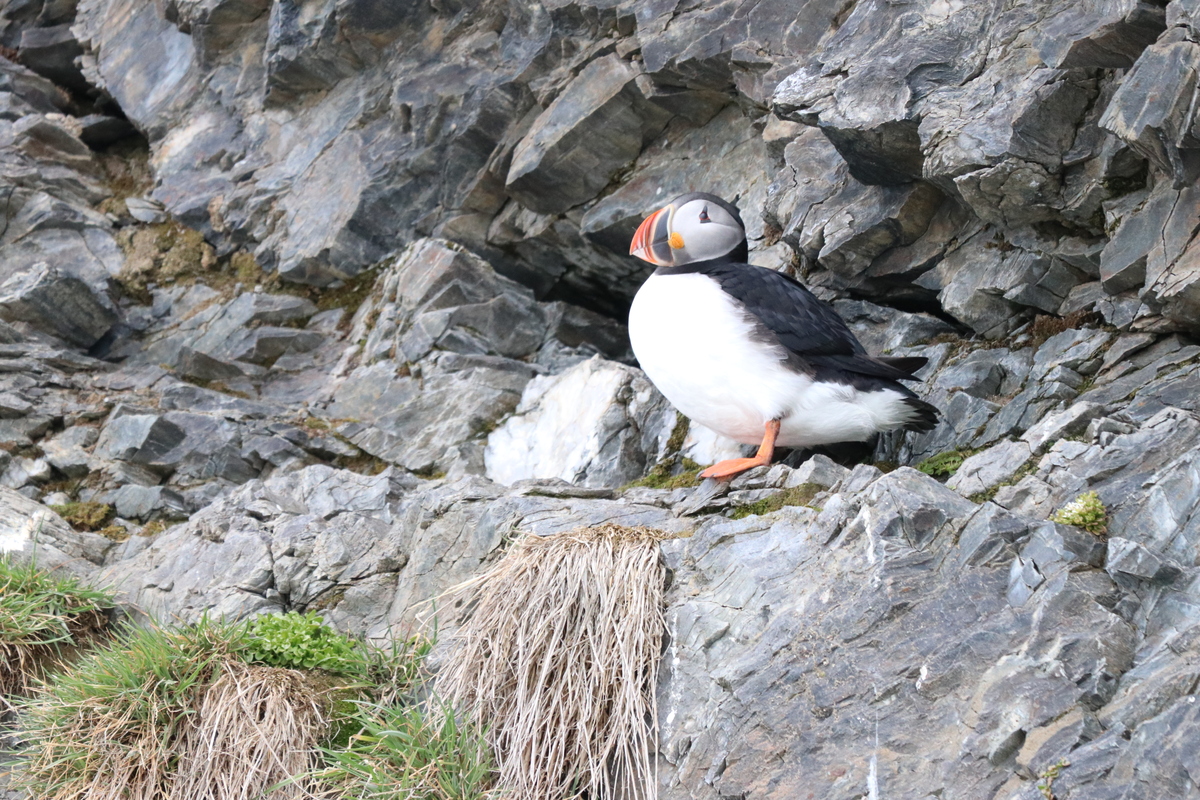
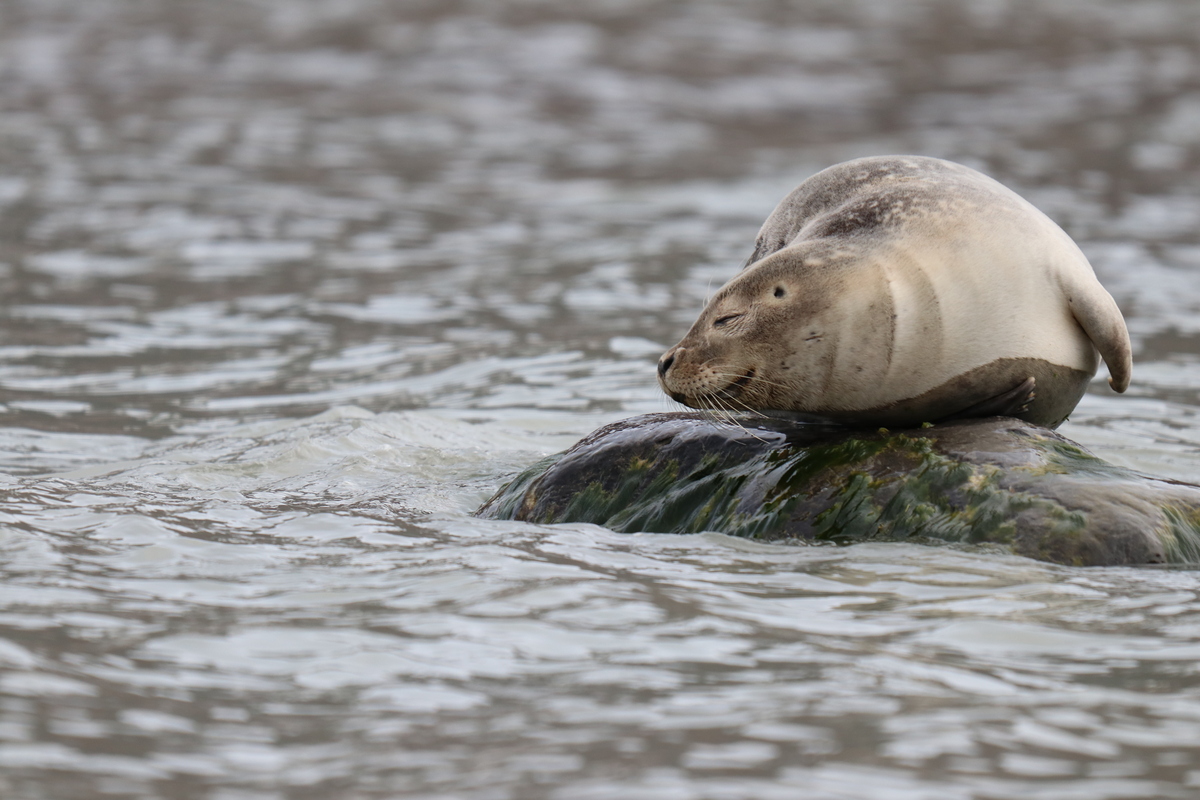
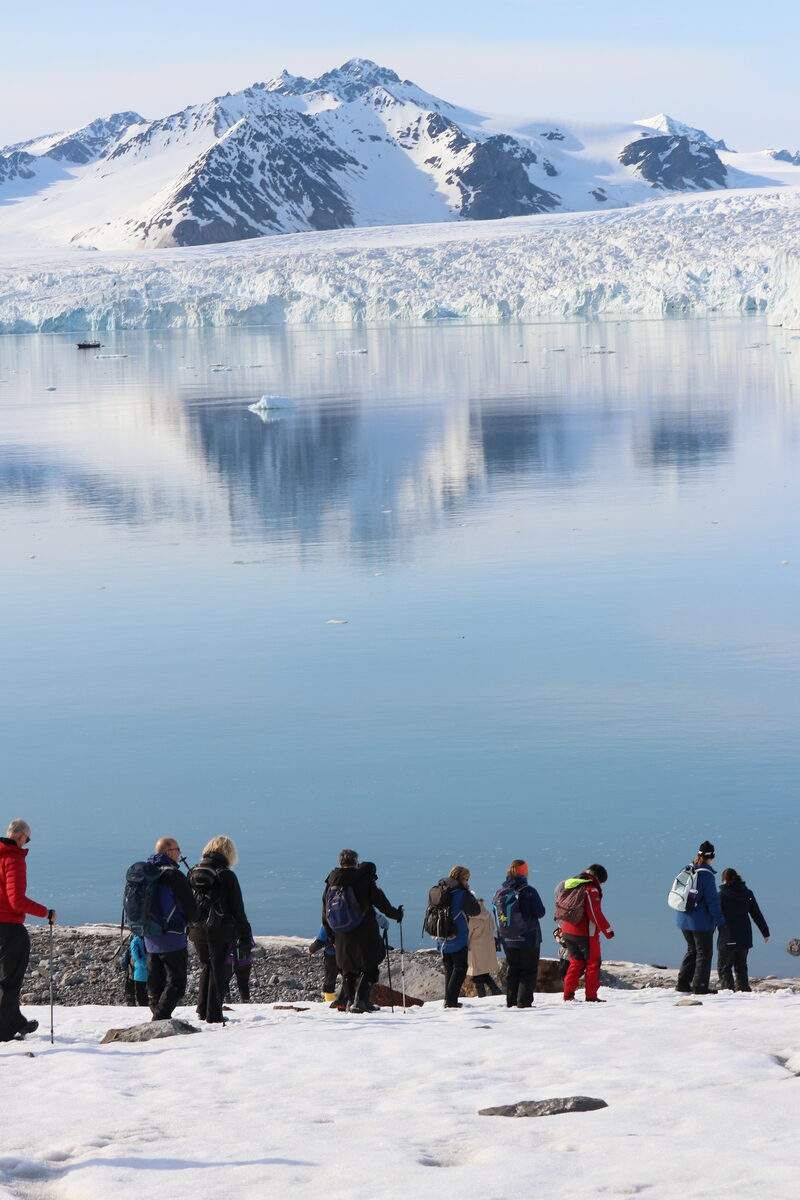
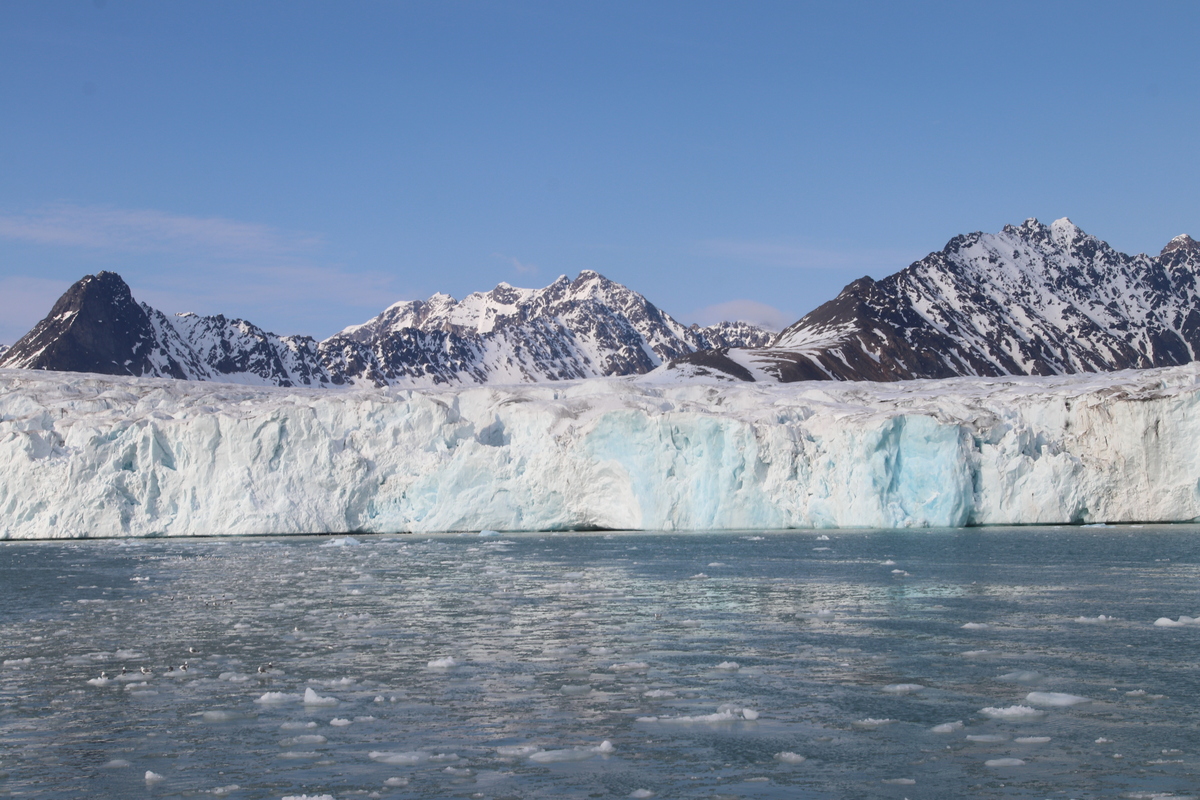
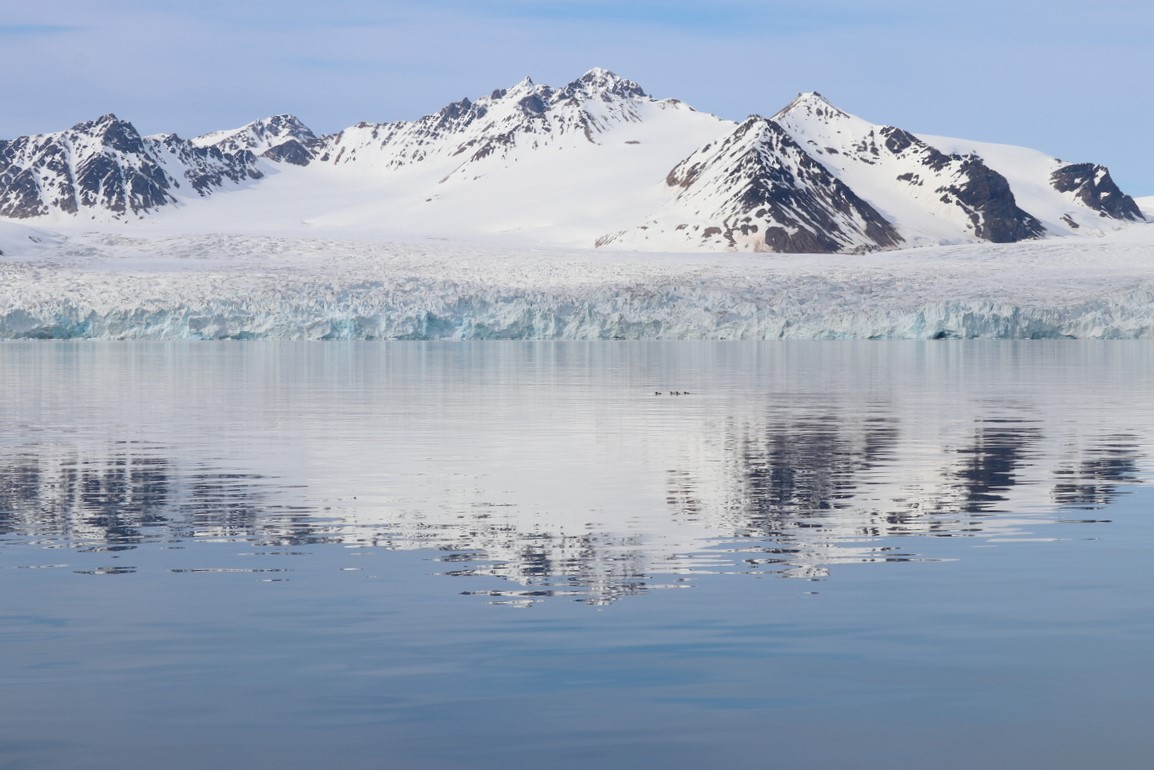
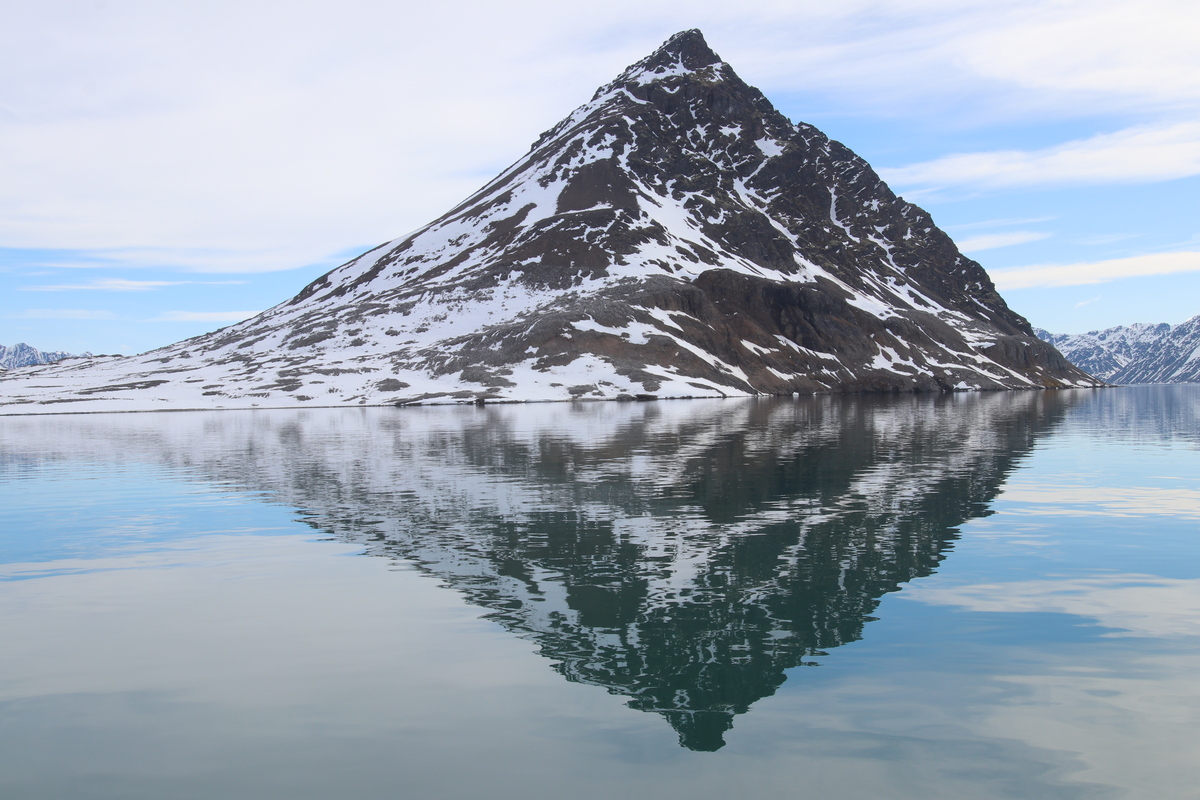
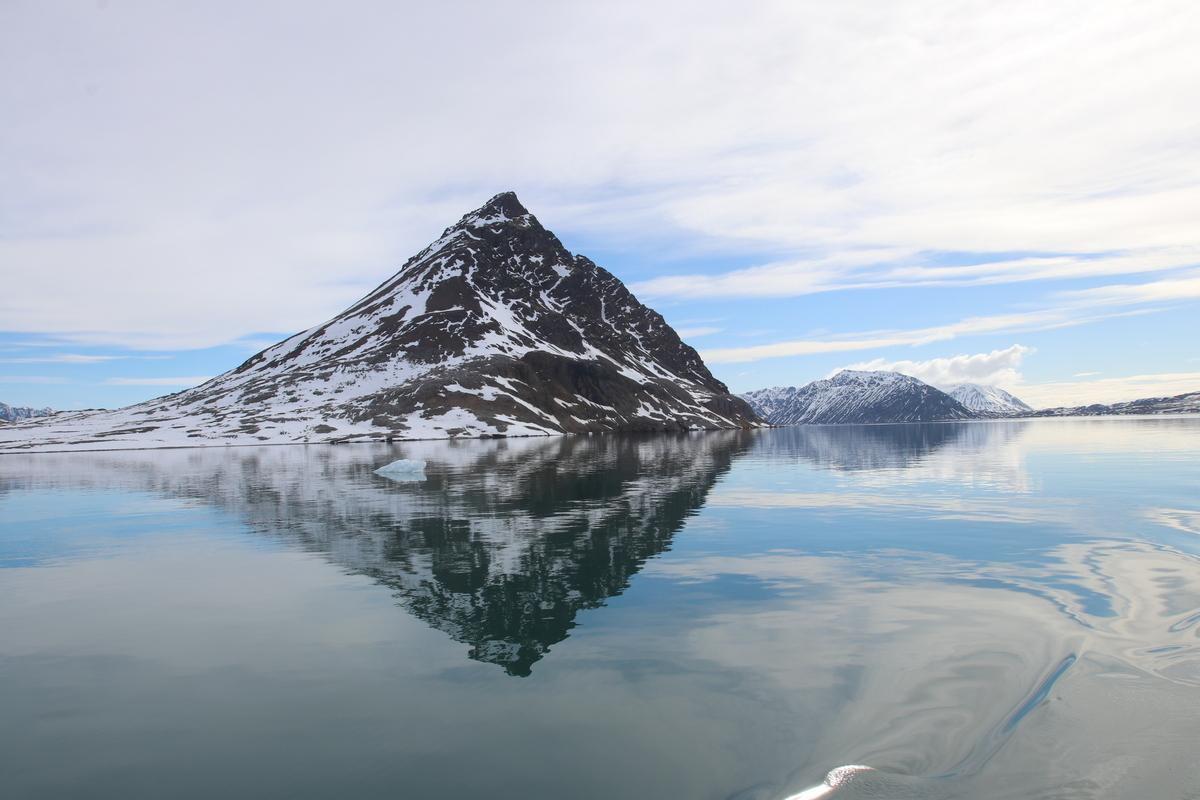
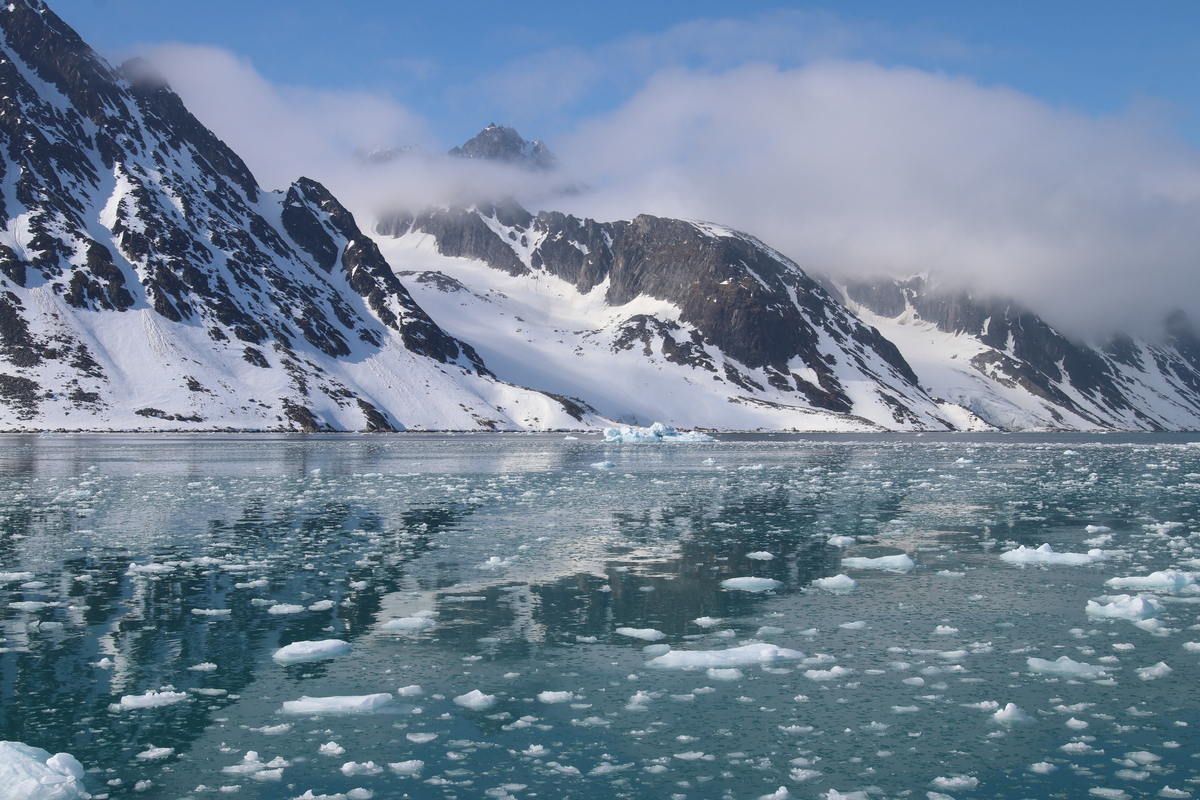
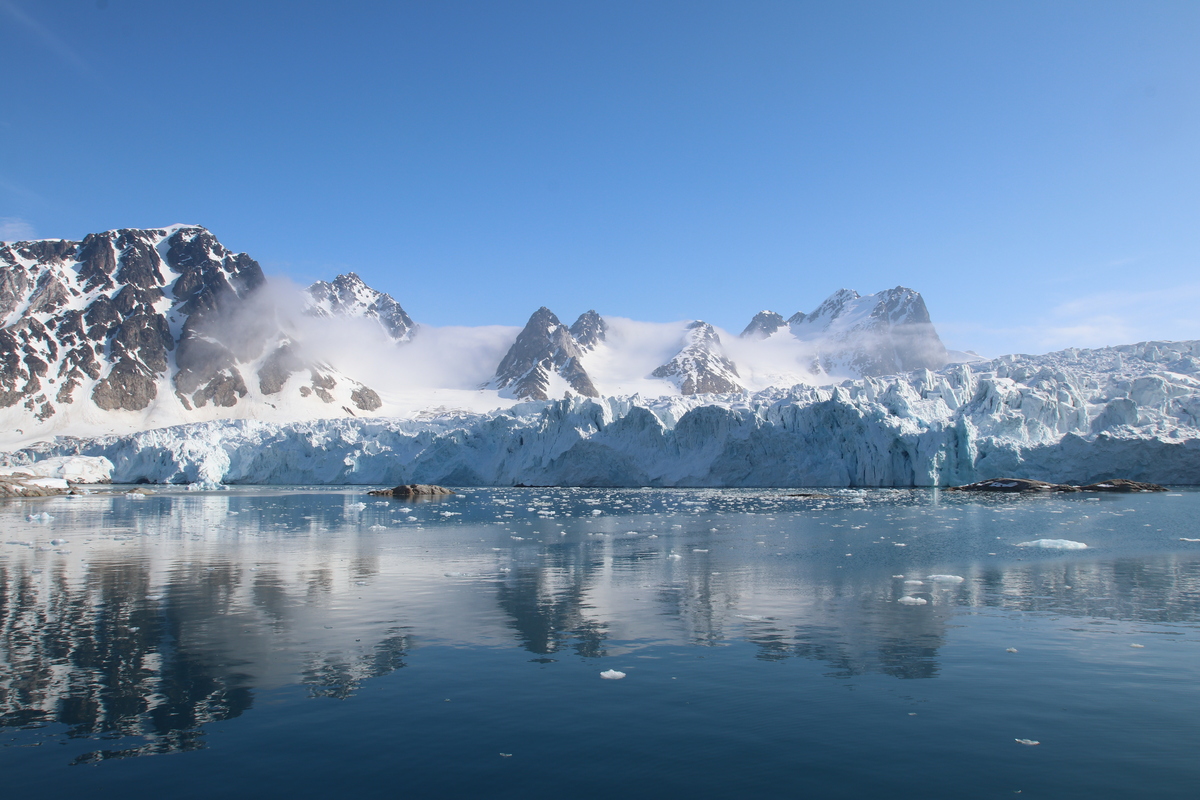
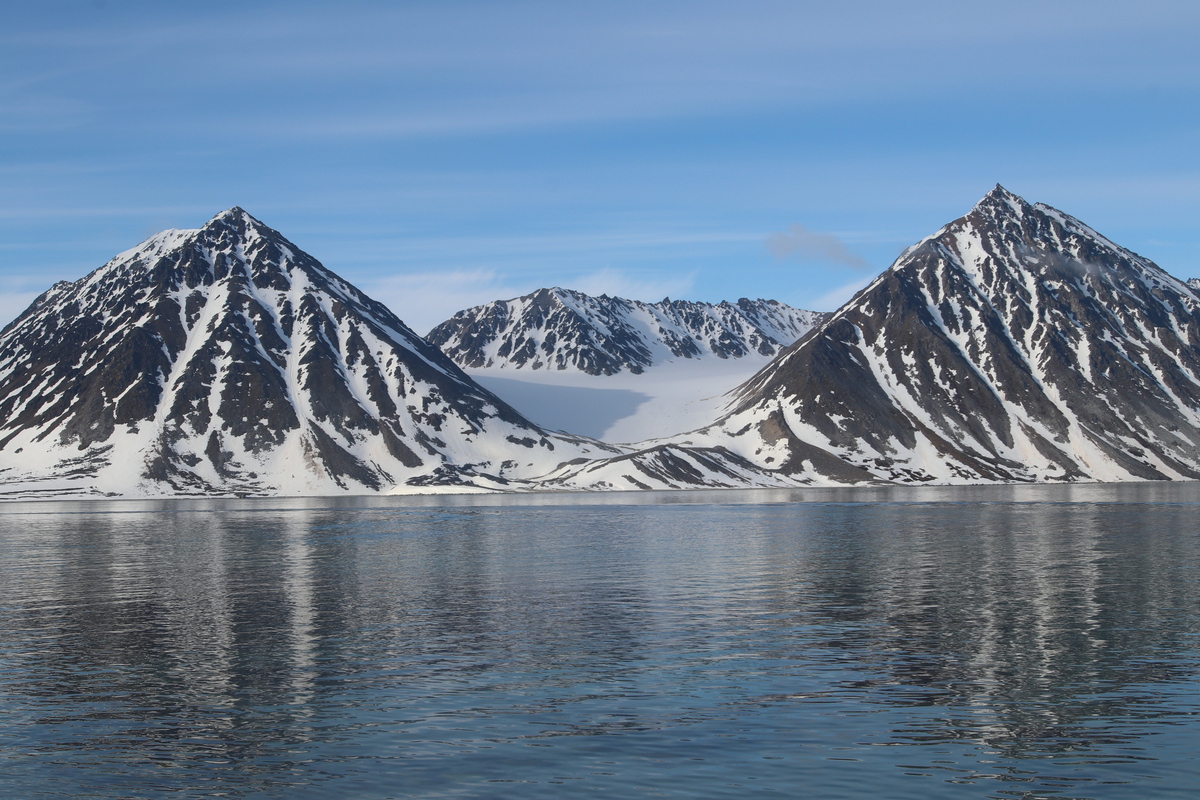
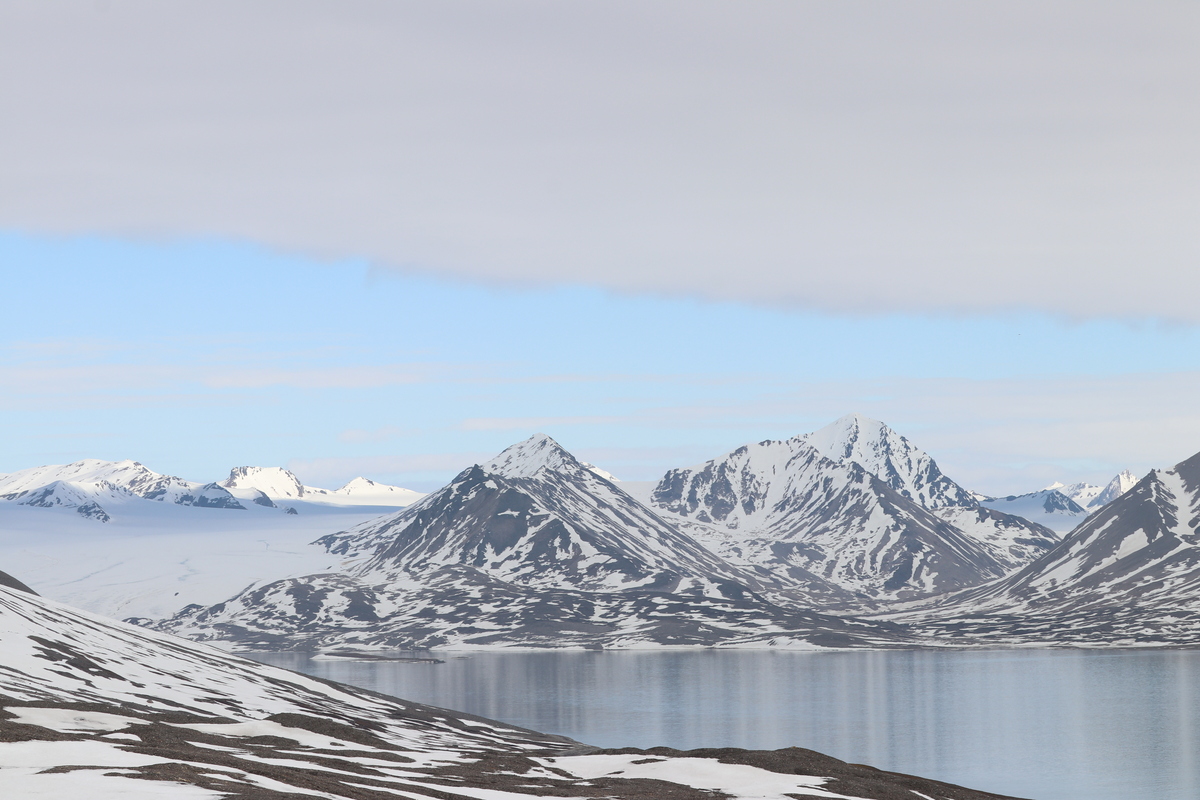
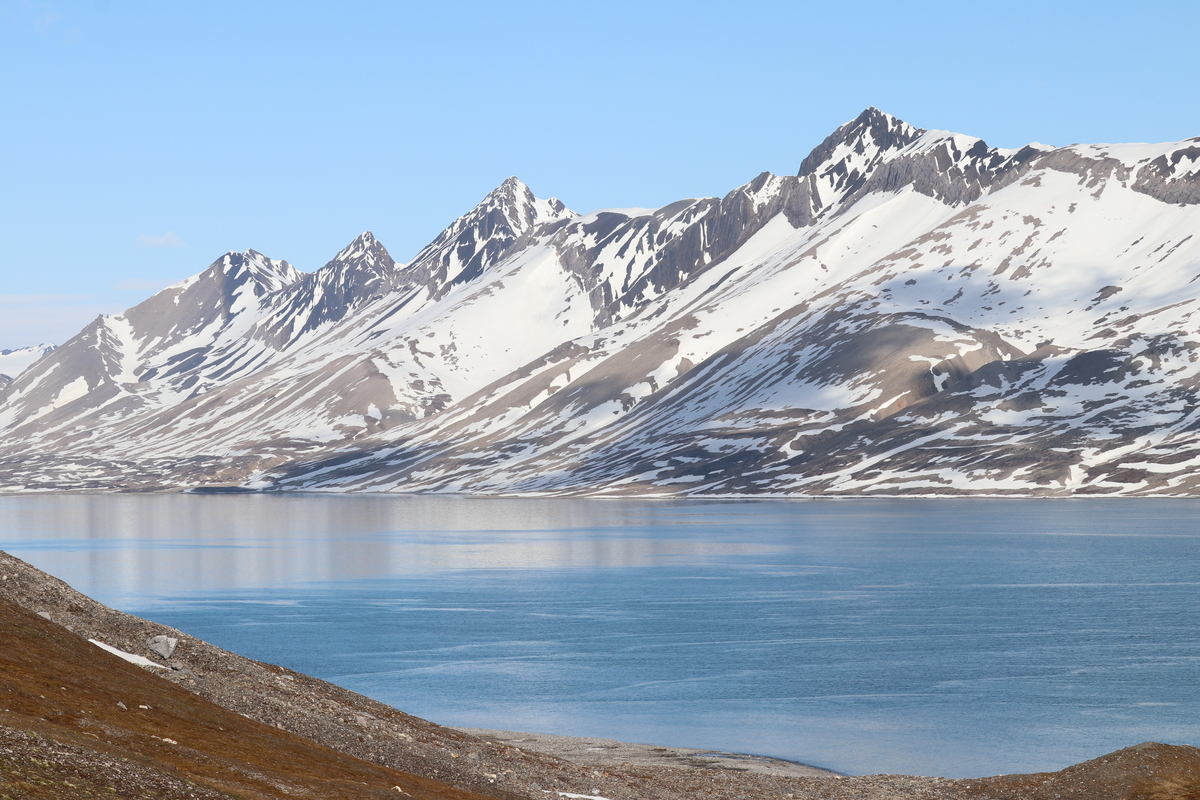
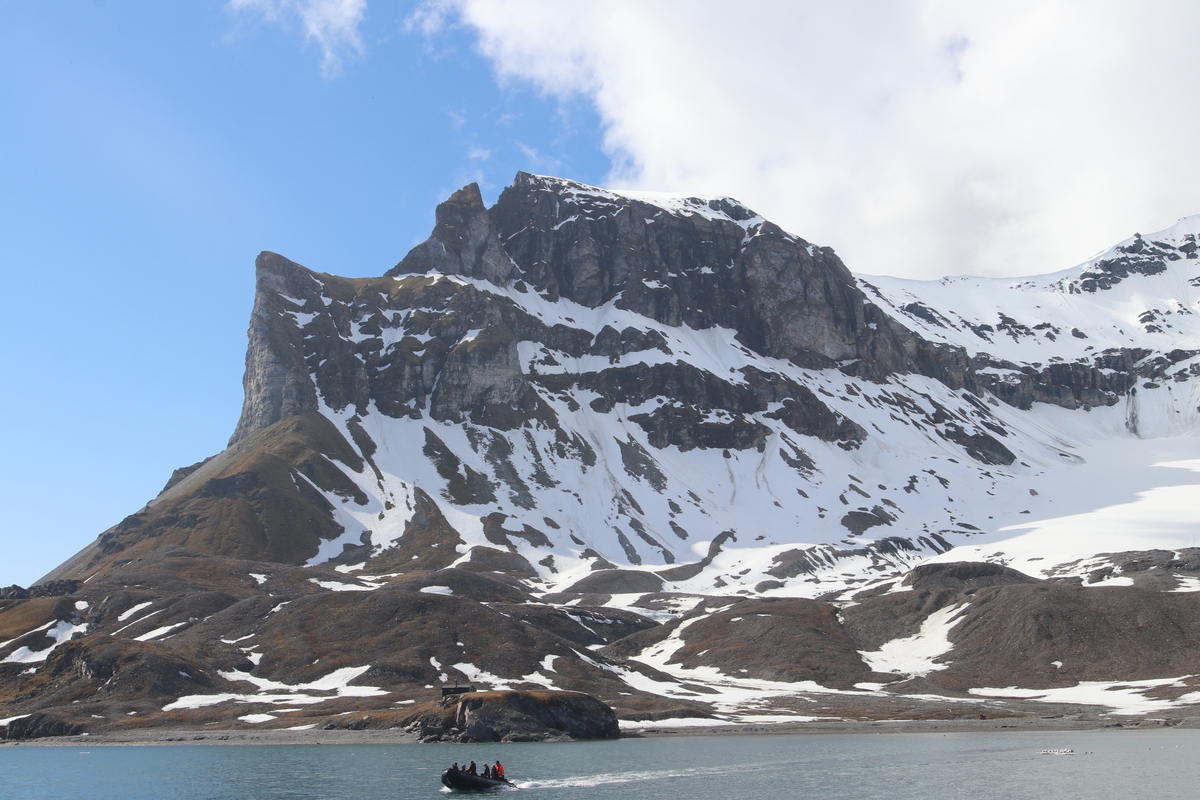
We then sailed towards the Lilliehöök Glacier where we had another landing and enjoyed a walk going up to the edge of the glacier. Back on board we were captivated by the scenery in the Lilliehöök fjord with snowy mountains reflected in the calm water.
Day 3
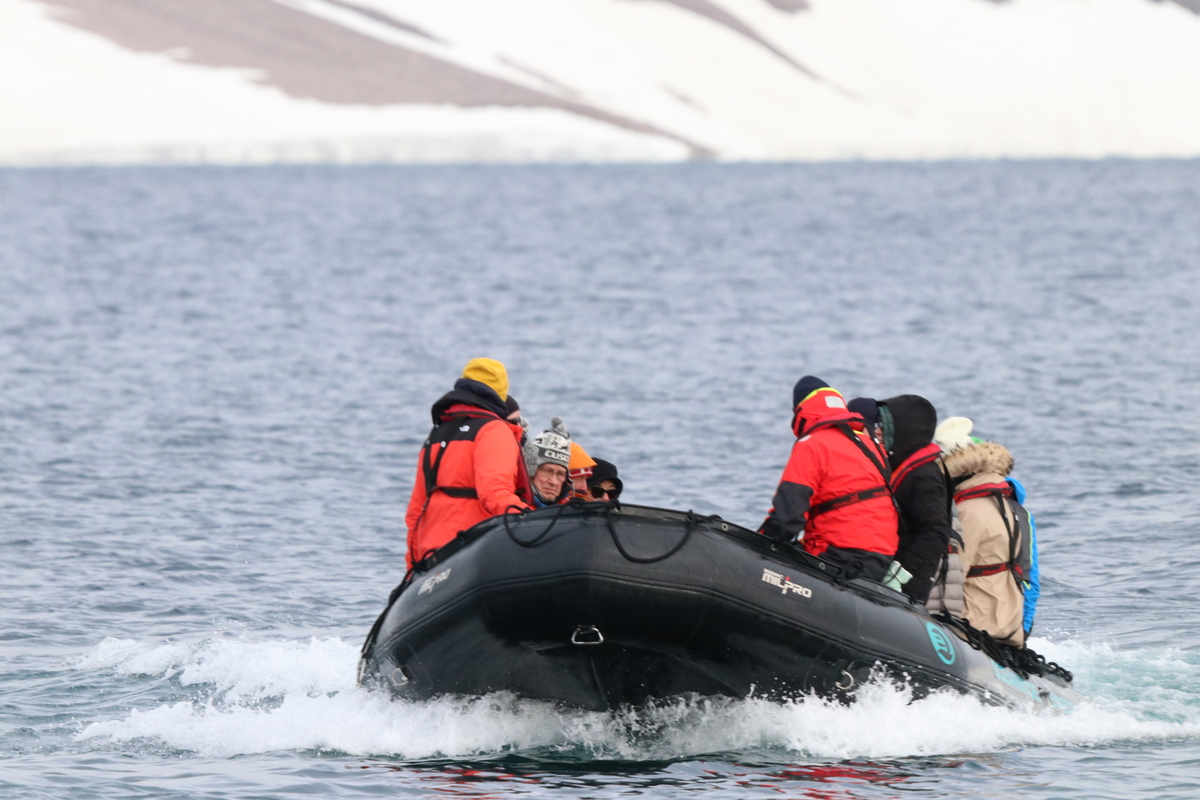
We had sailed (with engine not sails) to the North-West corner of Spitsberg between Damskoya and Amsterdamkoya. Bear tracks were spotted on land but we nevertheless took a scouting trip in a zodiac to see if there was more evidence of bears and to be shown where the failed attempt at crossing the North Pole by balloon had set off on the failed 1897 Swedish Attempt to cross the Arctic.

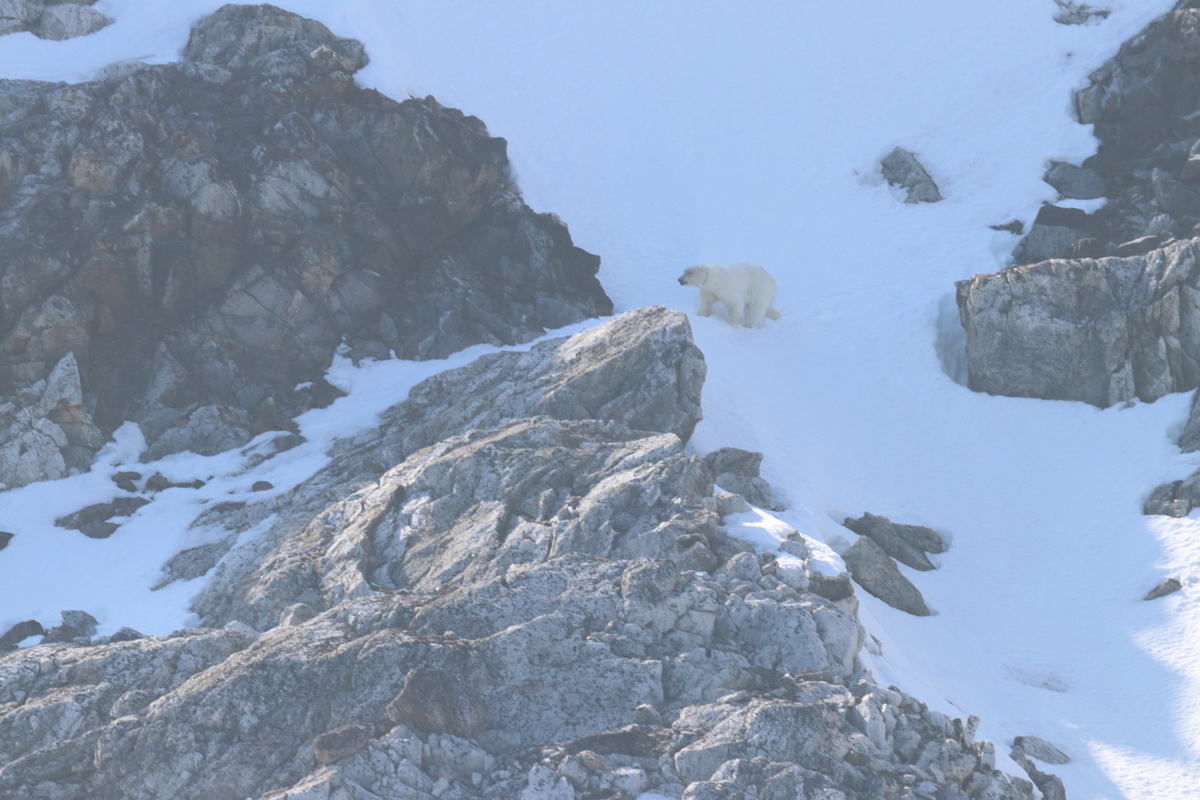
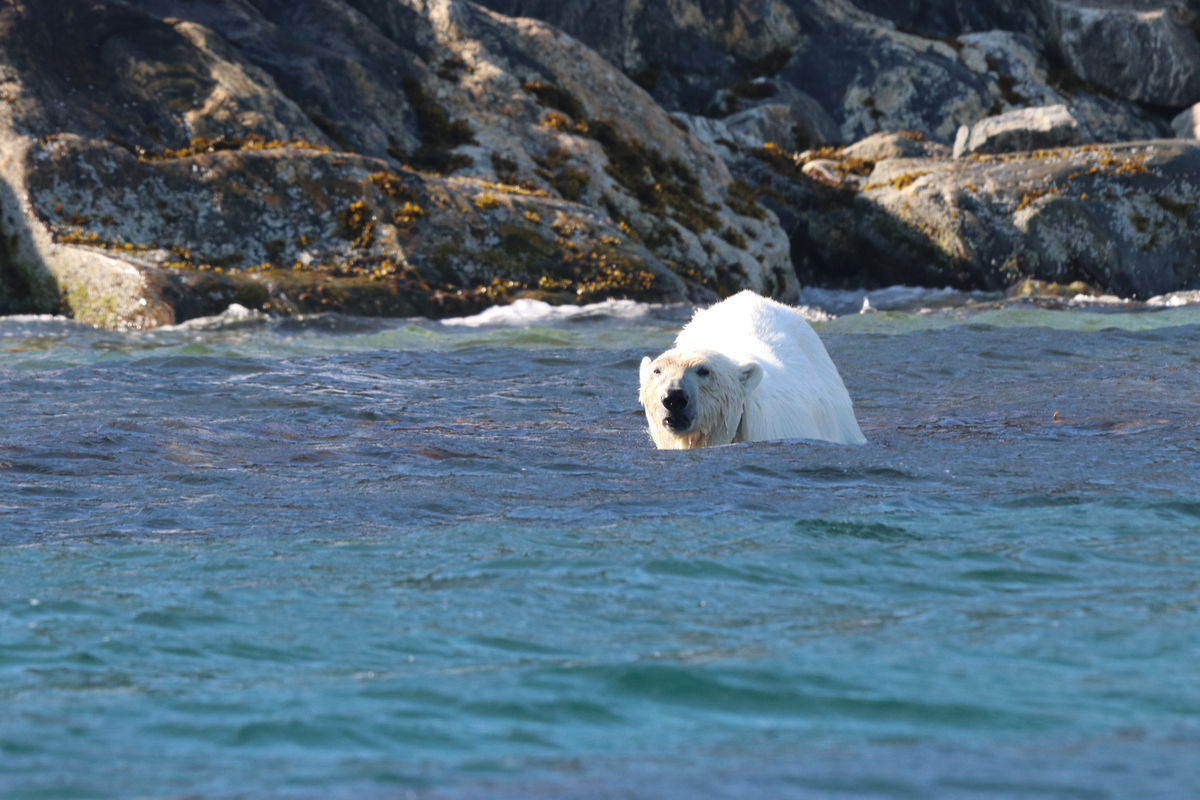
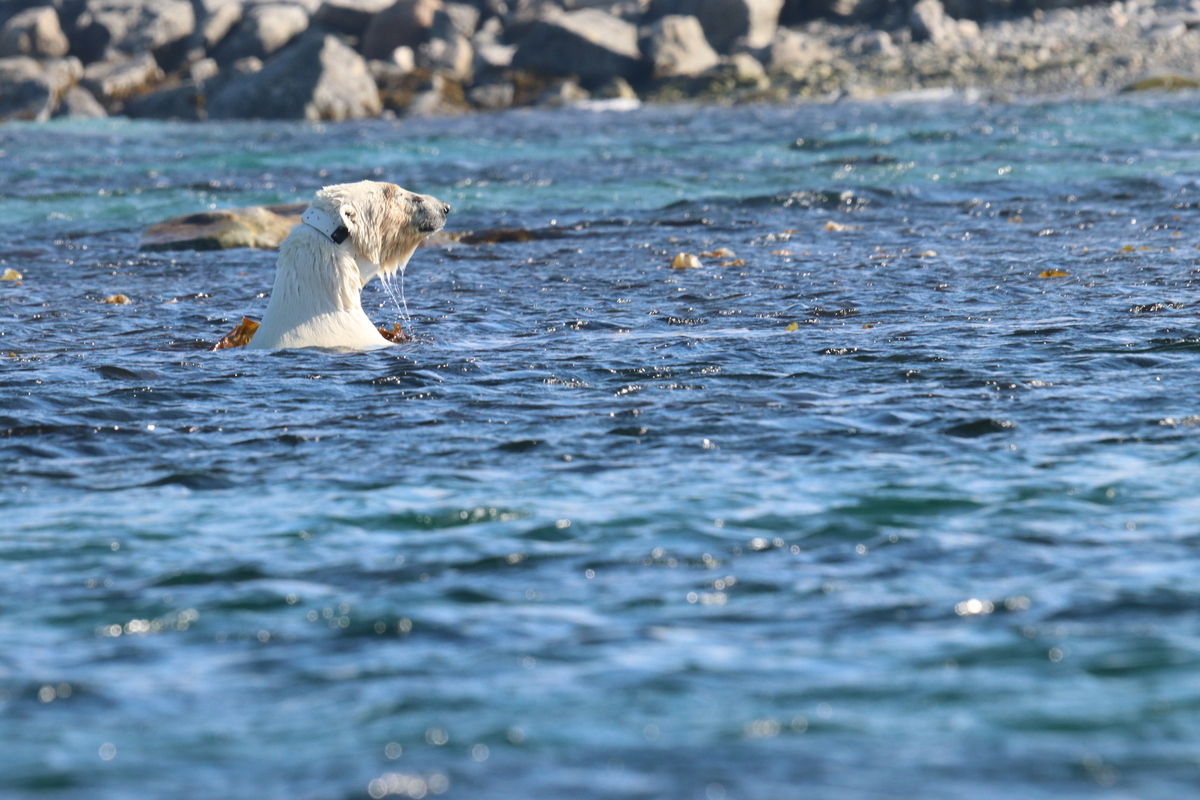
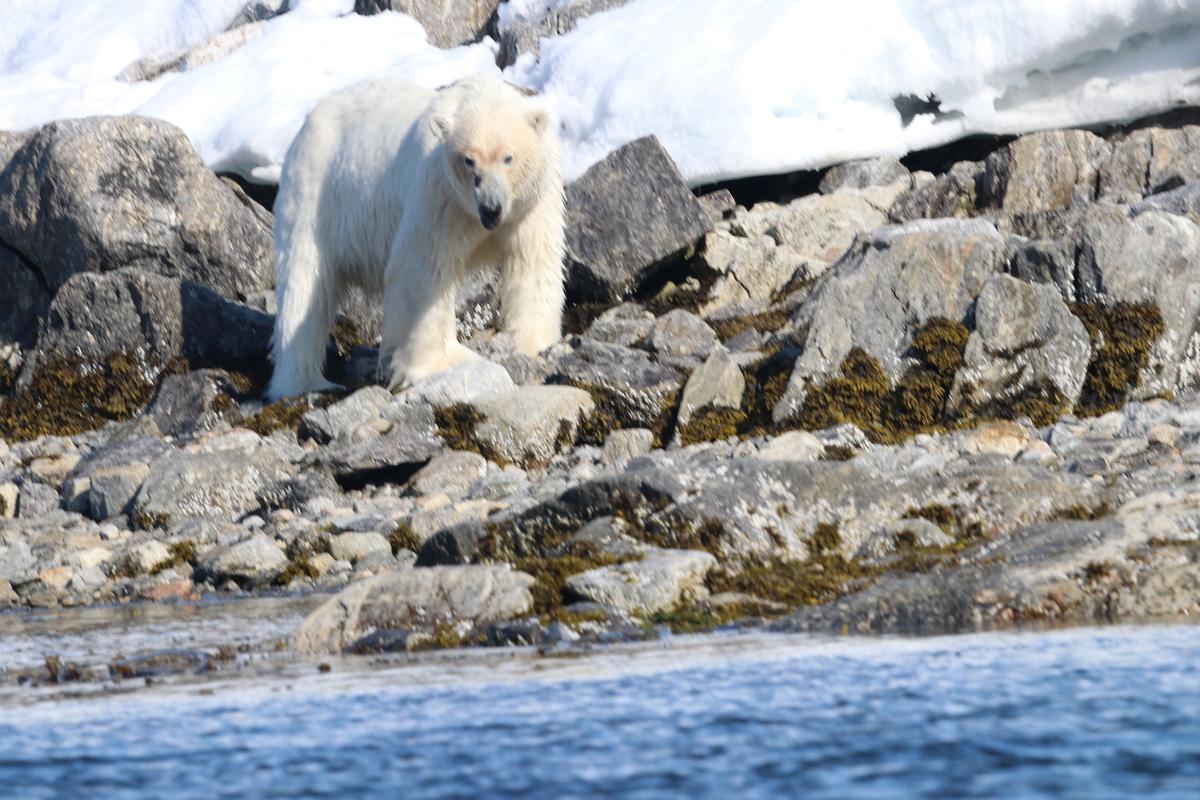
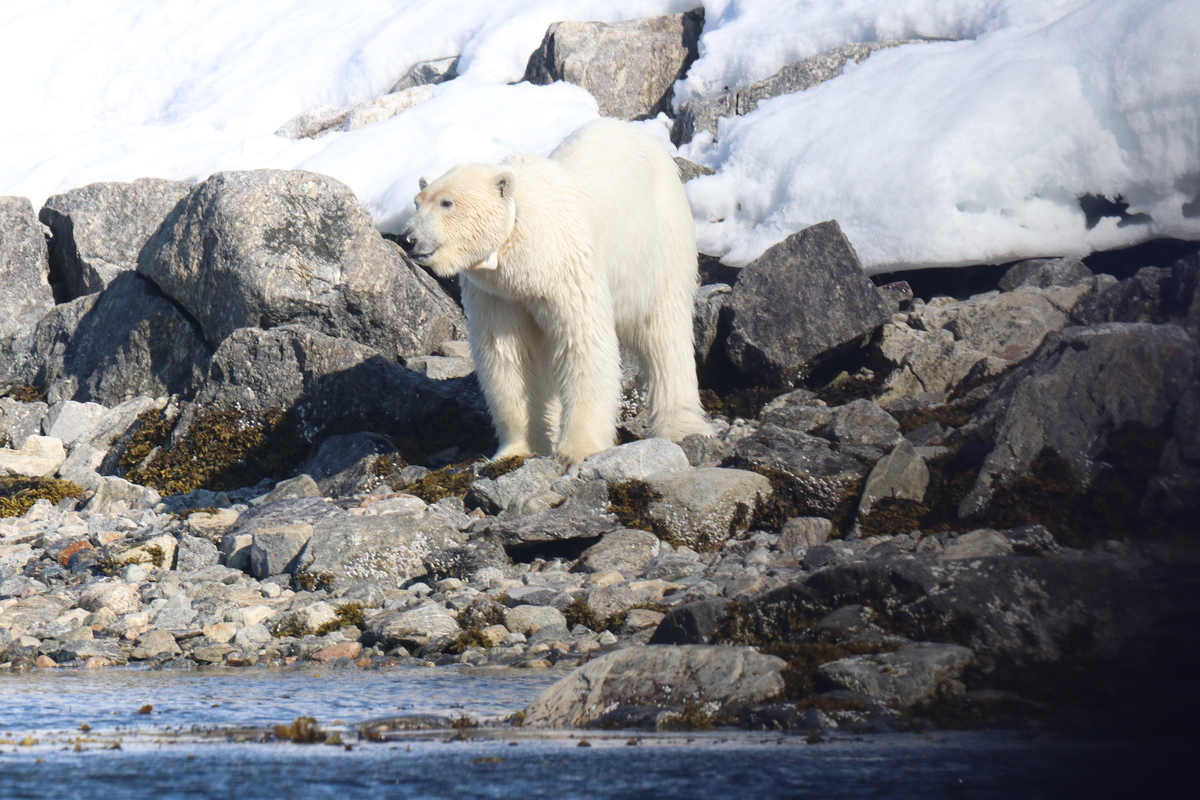
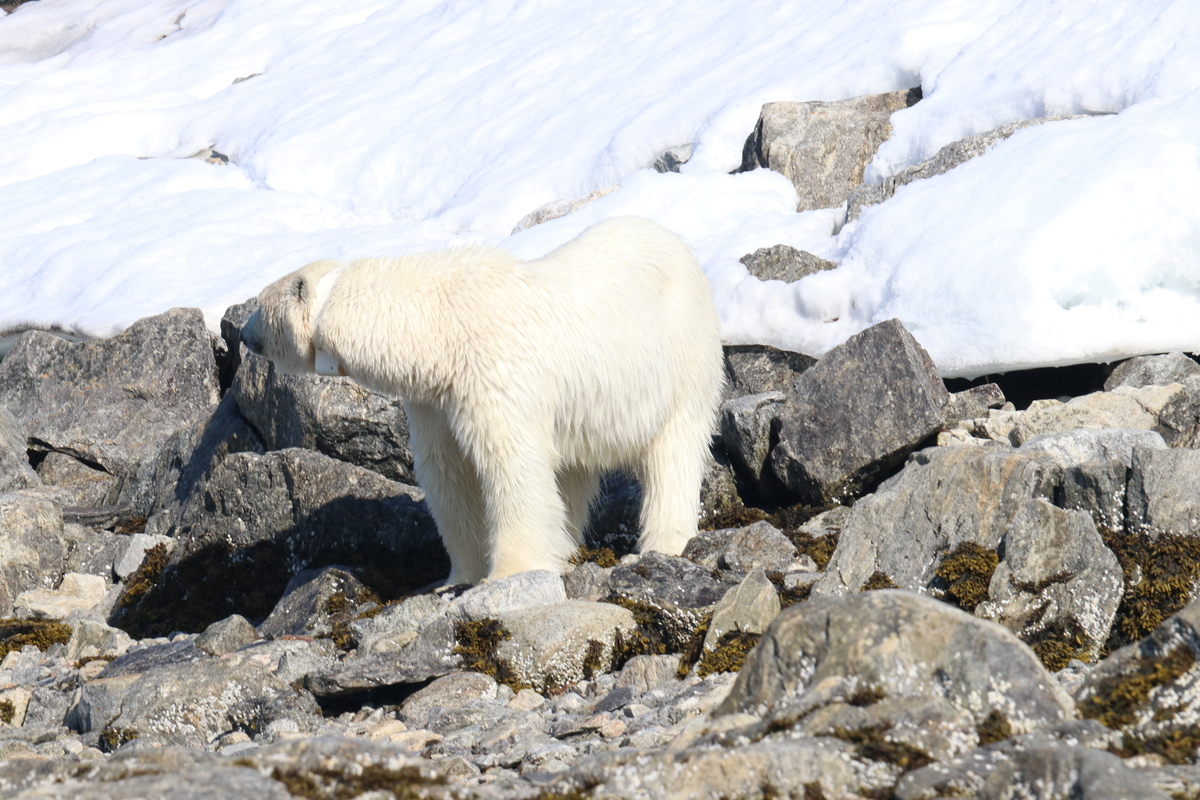
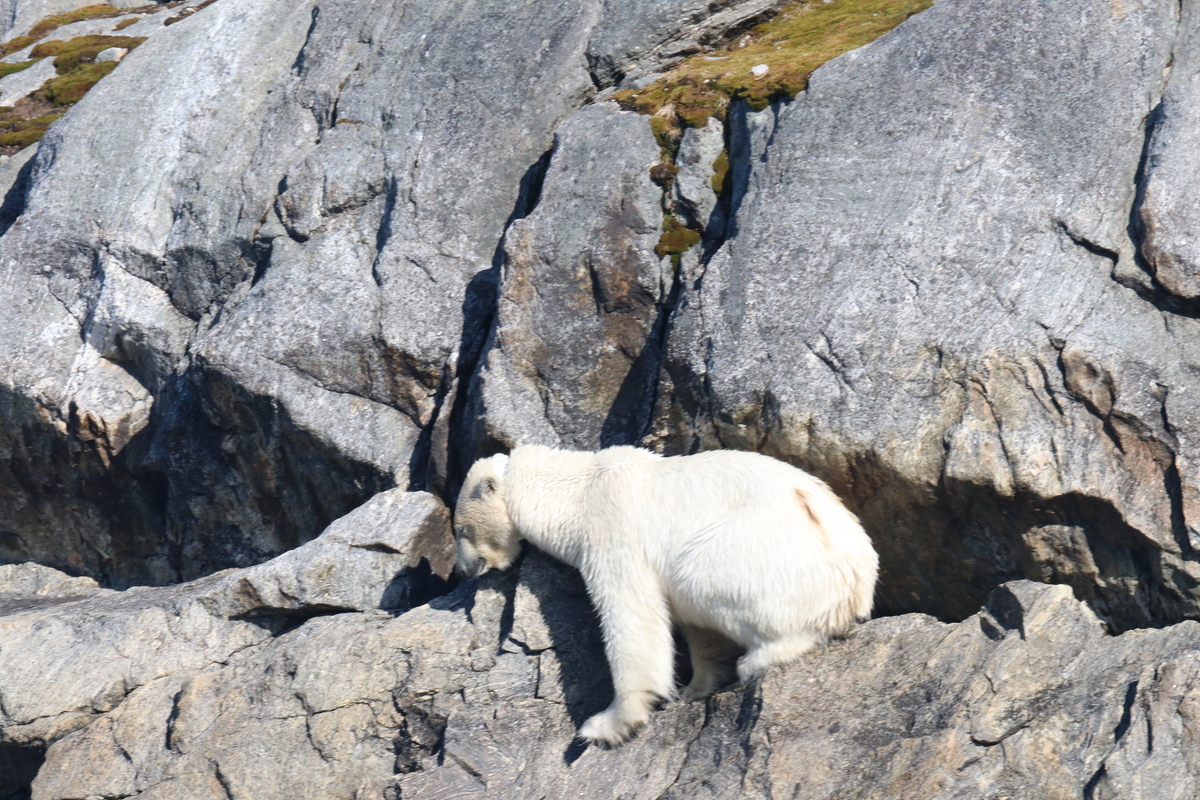
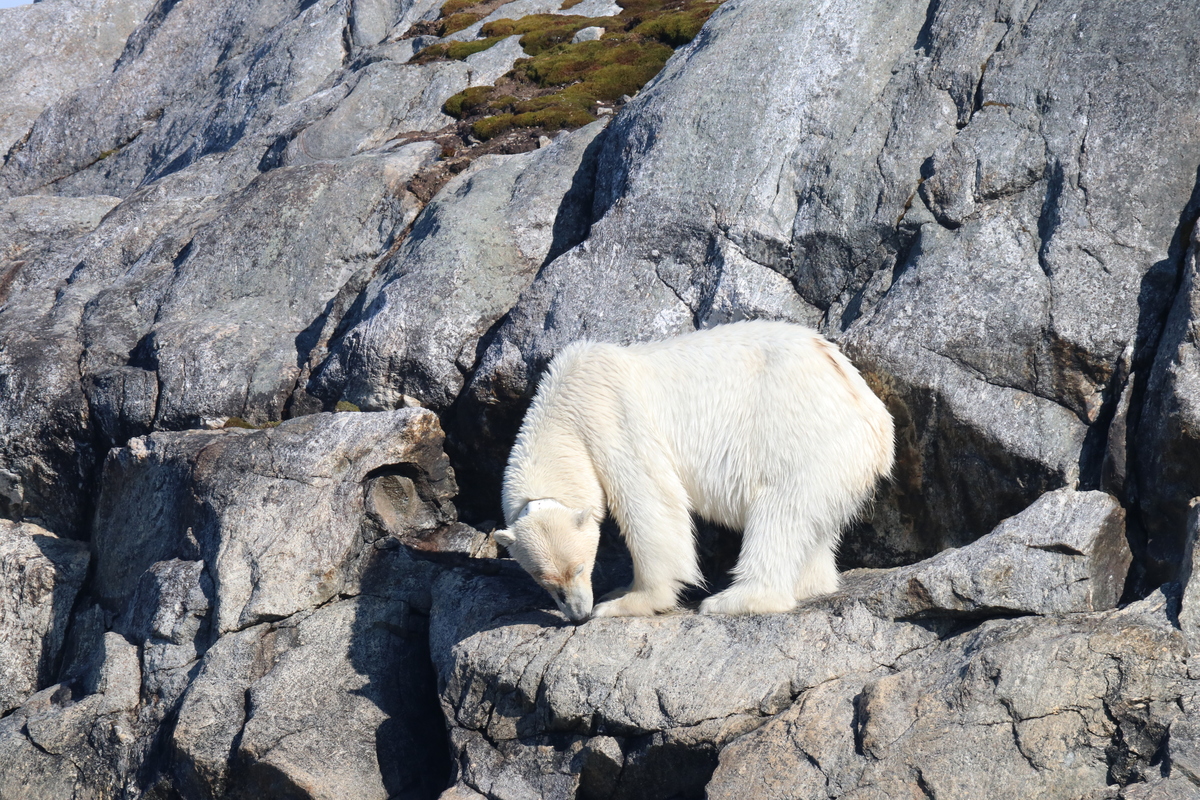
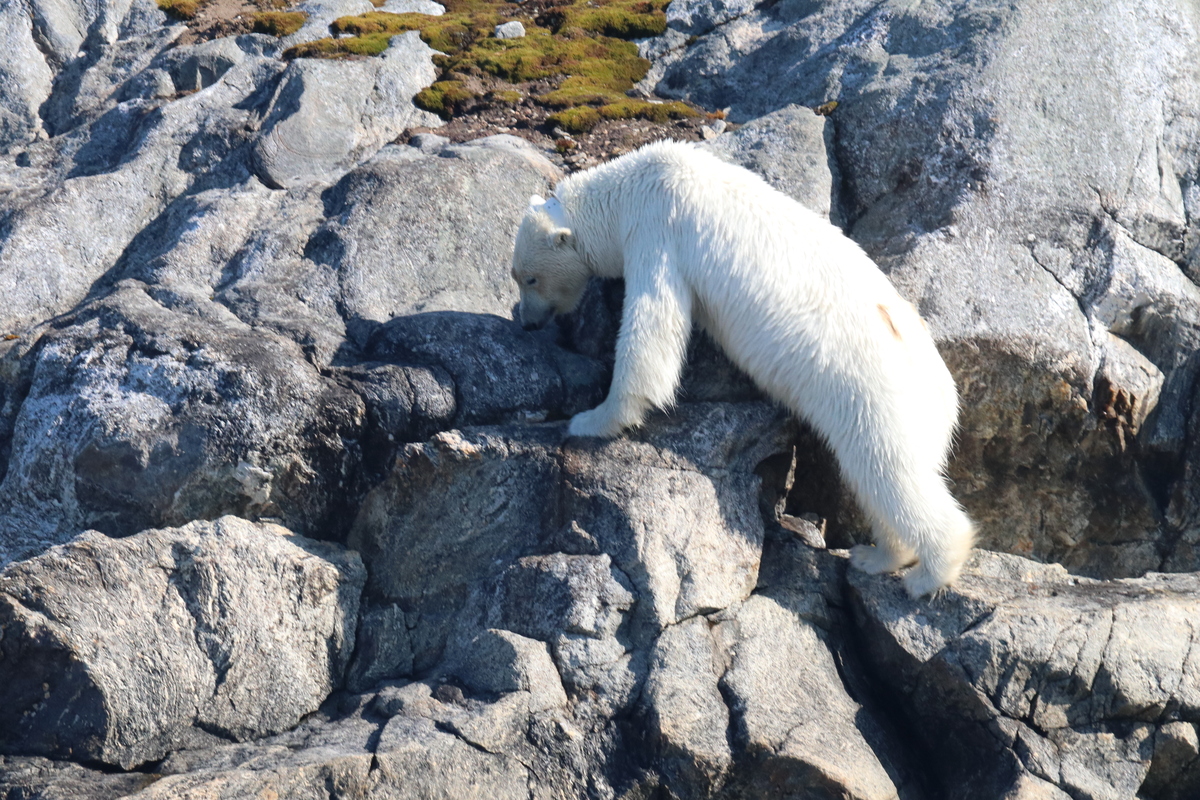
On returning to the ship to let others have a zodiac ride, a bear was spotted, by Fiona, on a hilltop and to our delight it made its way down towards the water. The captain immediately had us all in the zodiacs to observe the bear. We had an amazing time while we watched the bear descend (sliding down a steeper bit) and enter the water. It first played around a bit and then swam across to a small island where it clambered over some rocks. After we returned to the ship it was seen eating a dead walrus.
After lunch we moved on to a new bay near Sallyhamna, passing another glacier front. Here we landed and climbed to a col between two fjords.

Day 4
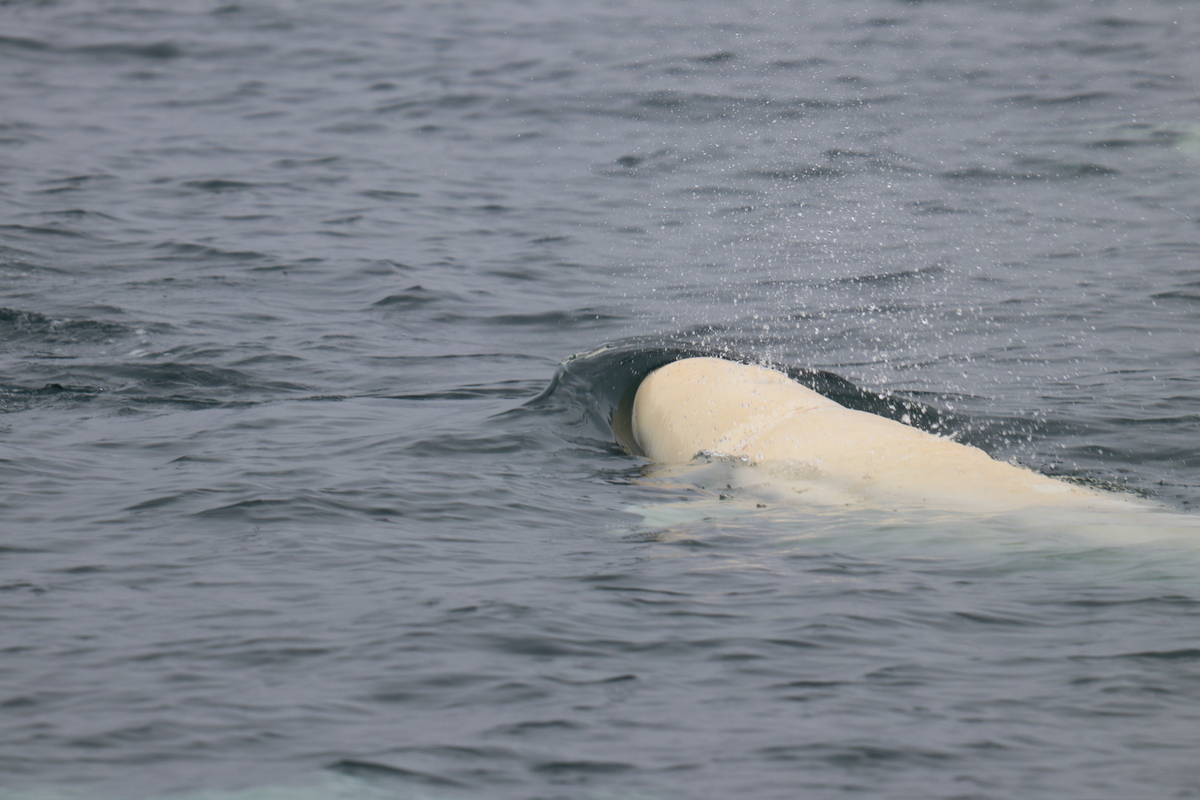
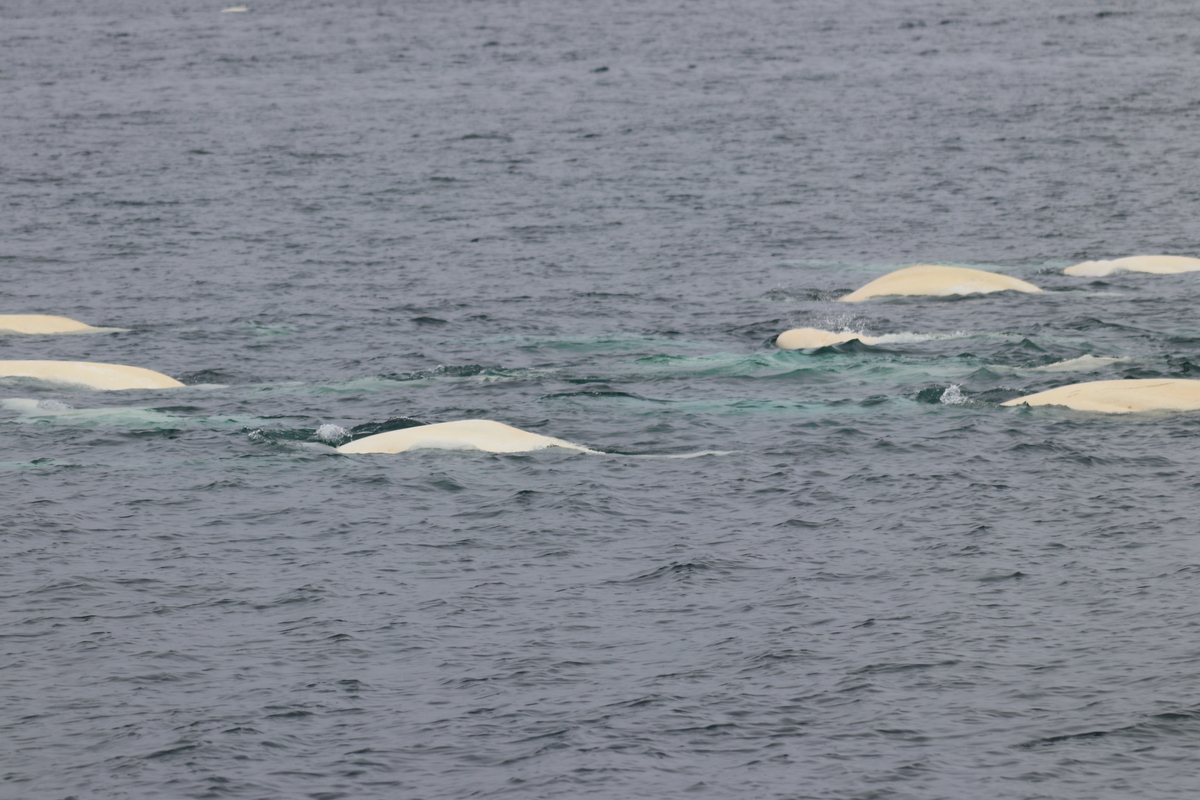
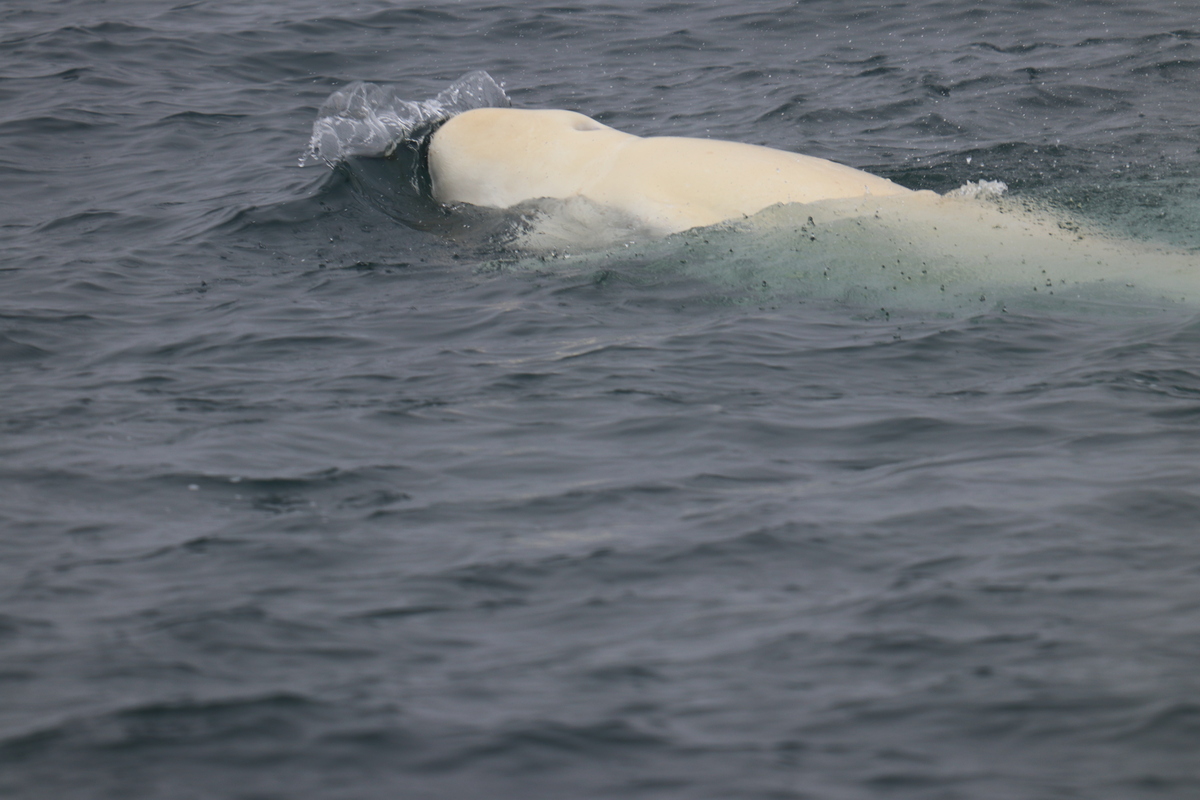
The initial plan for the day was to view a trapper’s hut at Mushamna but we woke to an announcement that Beluga whales had been spotted around the ship. The captain decided to go to a place ahead of them and wait. All engines were turned off and we were asked to keep very quiet so as not to frighten them away. In due course they started going past and went on and on for more than 2 hours. . Although they usually stay in pods of about 15 or 20, at this time of year, the pods gather together for breeding – this ensures a good mix of dna. The captain and crew estimated the number as over a thousand, well in excess of anything they had seen before.
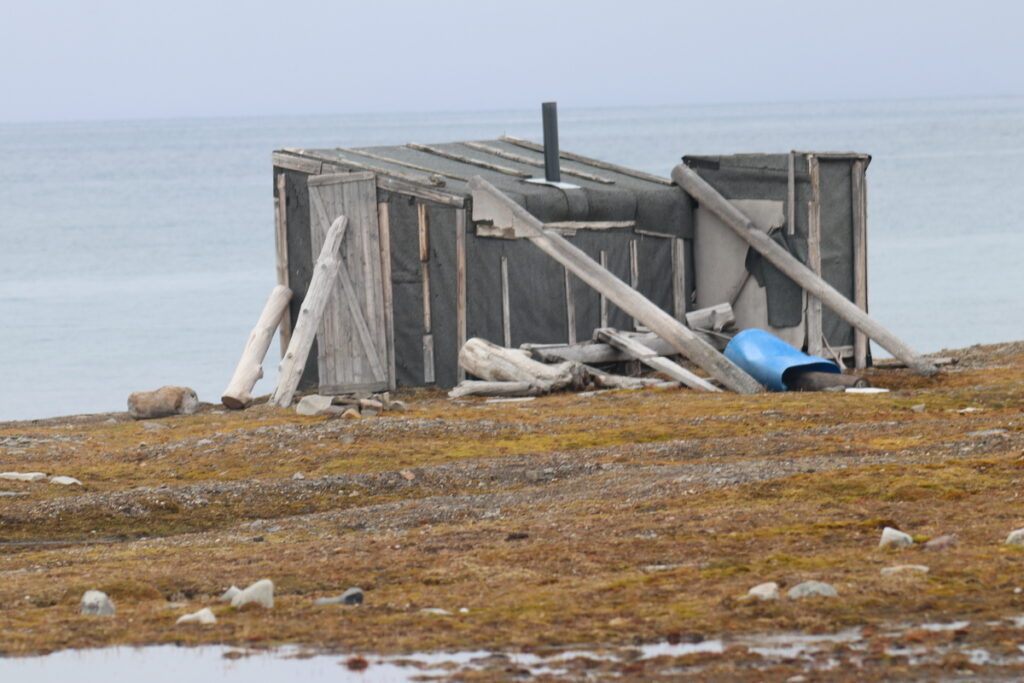
We did eventually move on and do our landing at Mushamna where we saw a large hut that was locked and a nearby satellite hut which we were able to enter. These were huts used by trappers who stayed right through the winter.
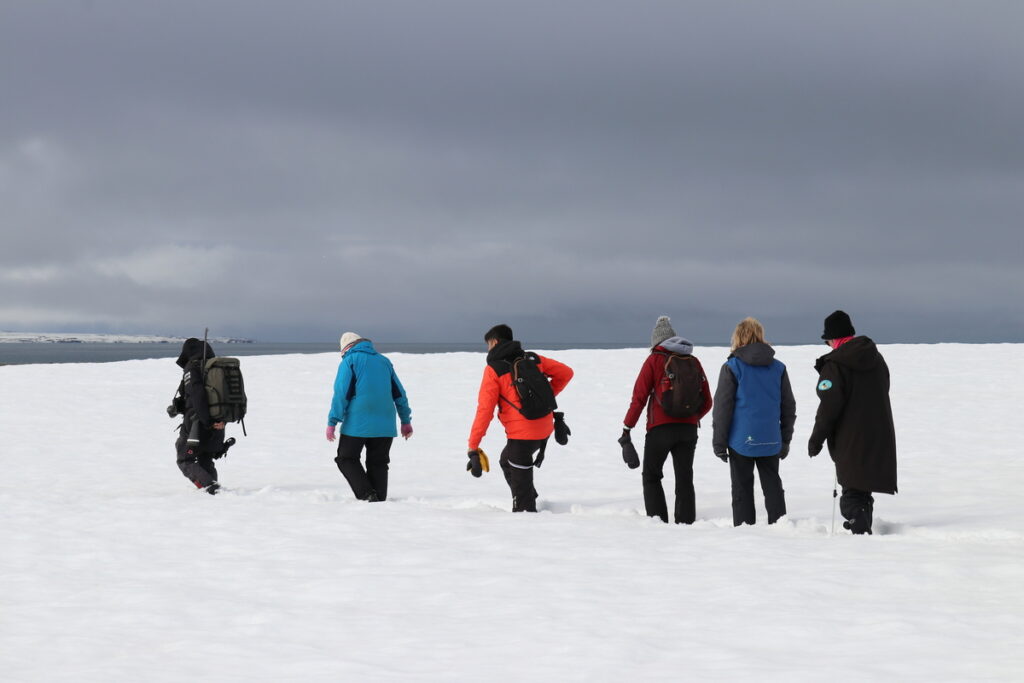
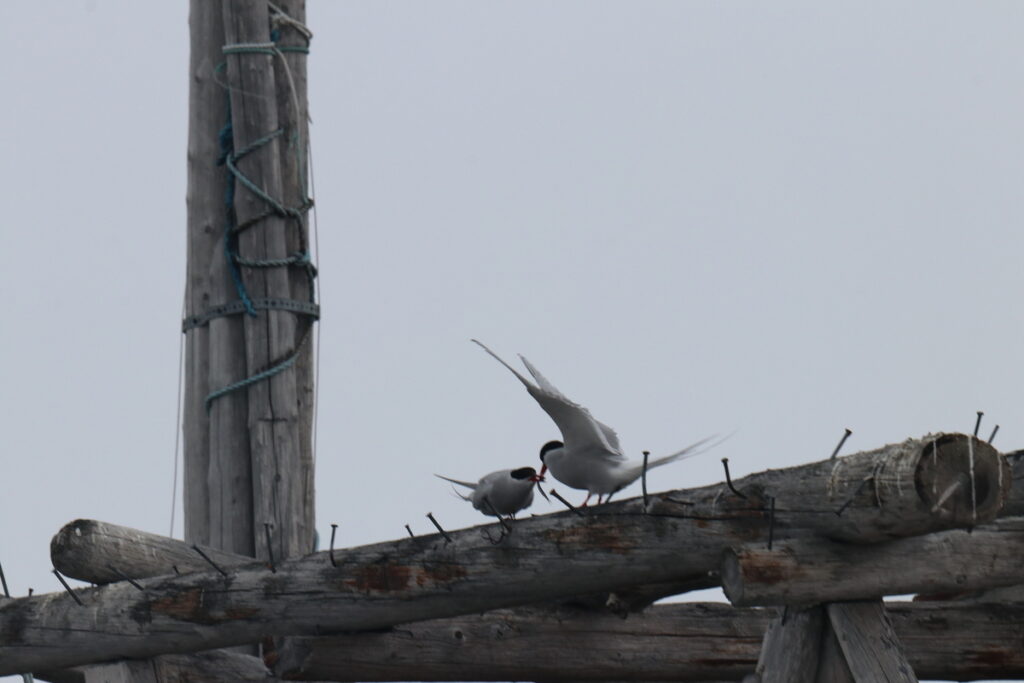
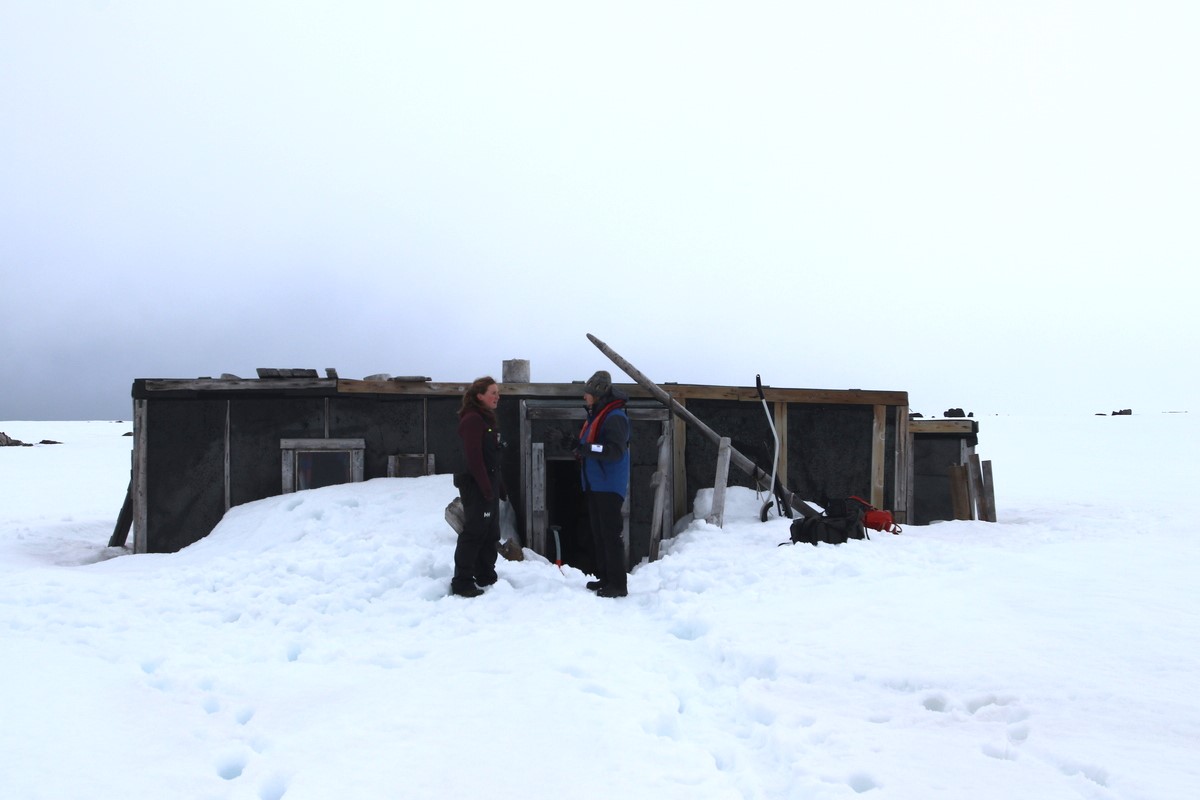
After dinner we moved to Grushoek where we visited the hut where Christiane Ritter wintered in 1934/5 (A Woman in the Polar Night). This hadn’t been visited for quite a while and Beth had to dig out the snow for us to enter. It was quite a roomy hut and there were various things, rather more recent, left in it by previous occupants.
Day 5
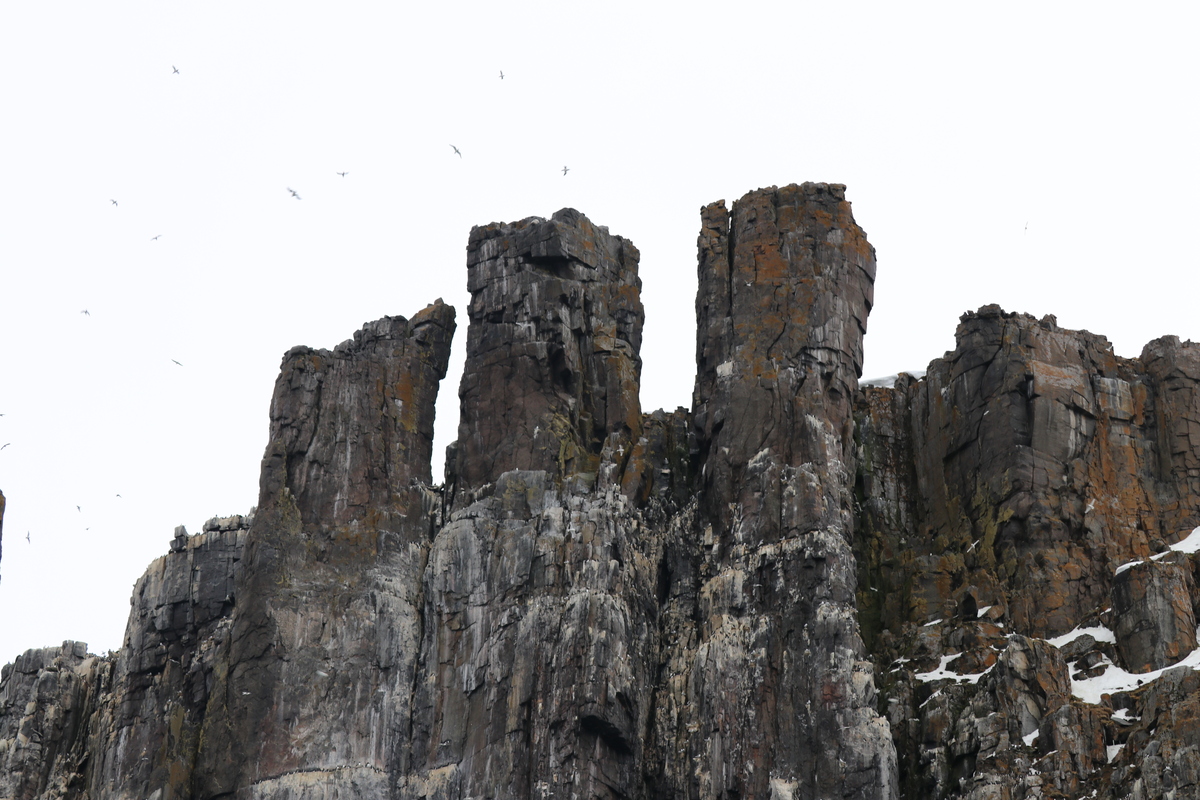
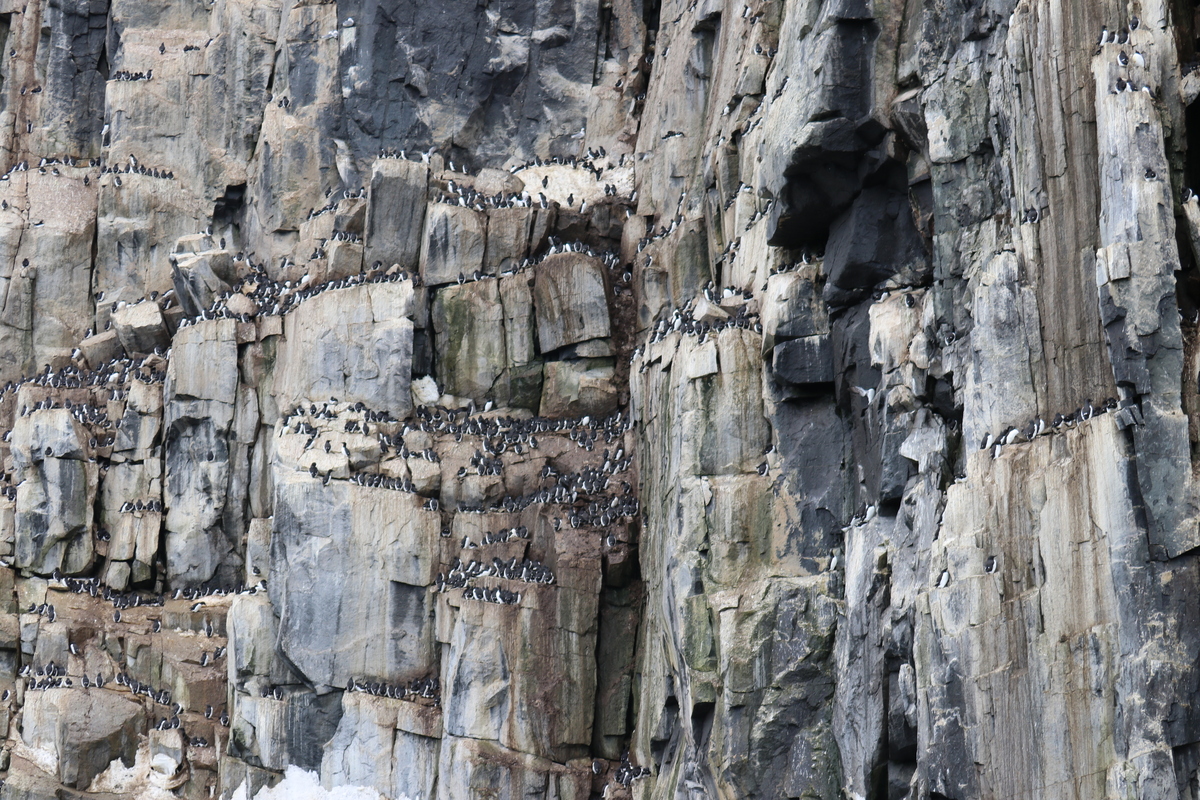
We had come South and had a zodiac pass of the bird cliffs at Alkefjellet. These were mostly the Brünnich’s guillemots, mostly facing the cliff in a way that reminded me of Rudyard Kipling’s Smugglers poem (Watch the wall my darling while the gentlemen go by) with an occasional black guillemot and some noisy kittiwakes. We saw one or two guillemot fights that went on for quite a while. For one of us, this was a difficult morning due to the swell of the sea and too much looking down camera lenses.
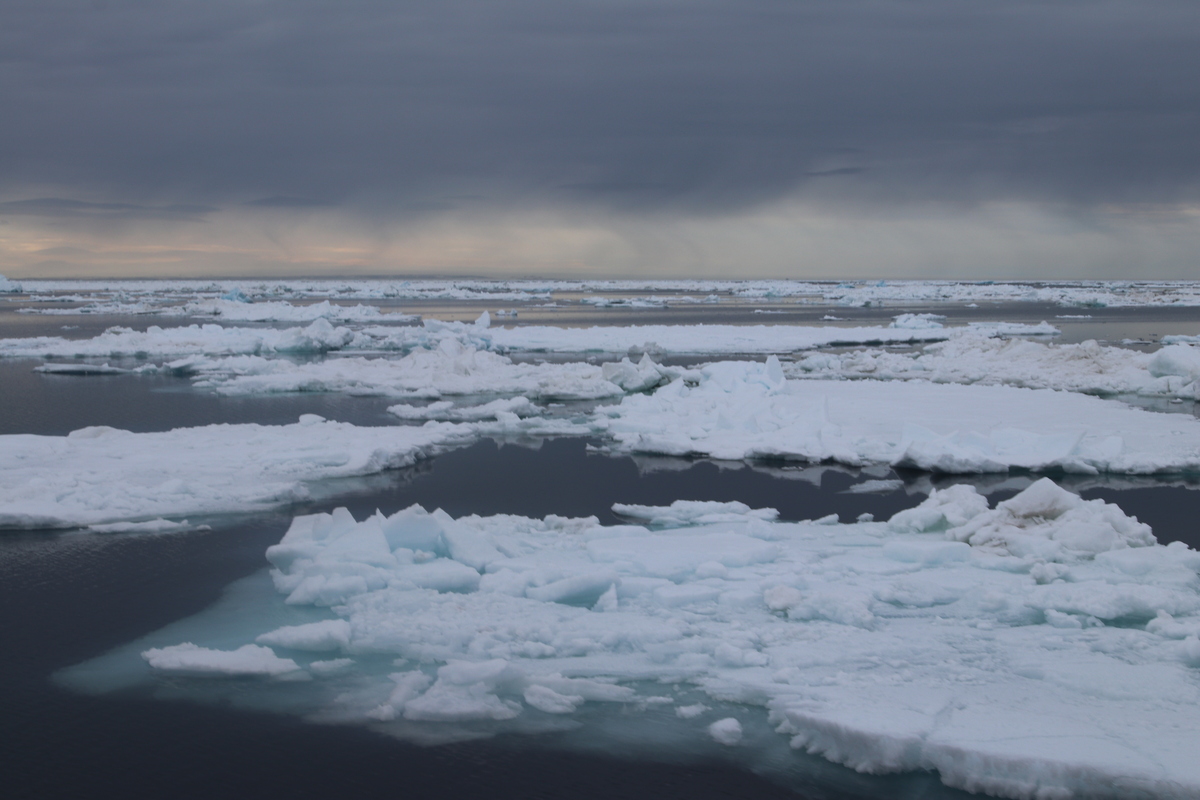
Back on the boat we had lunch and continued South down the Hinlopen Strait, slowing down to get through some narrow bands of ice.
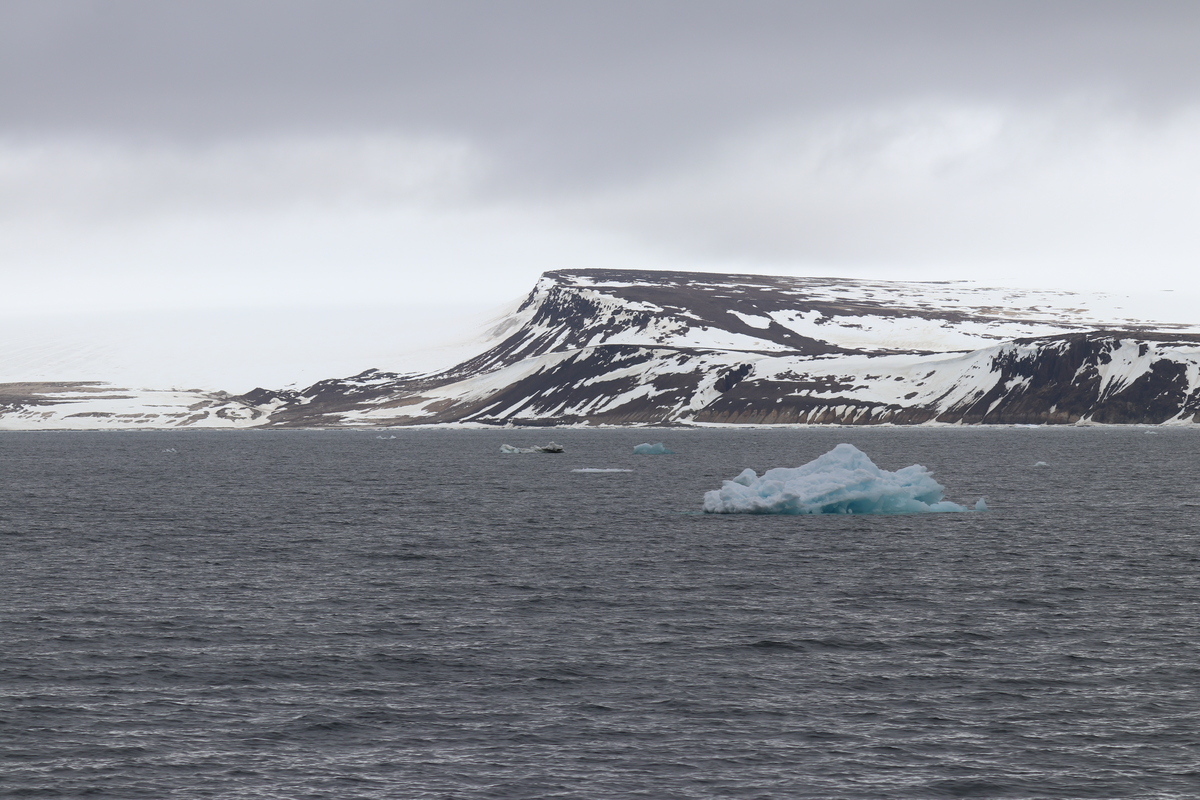
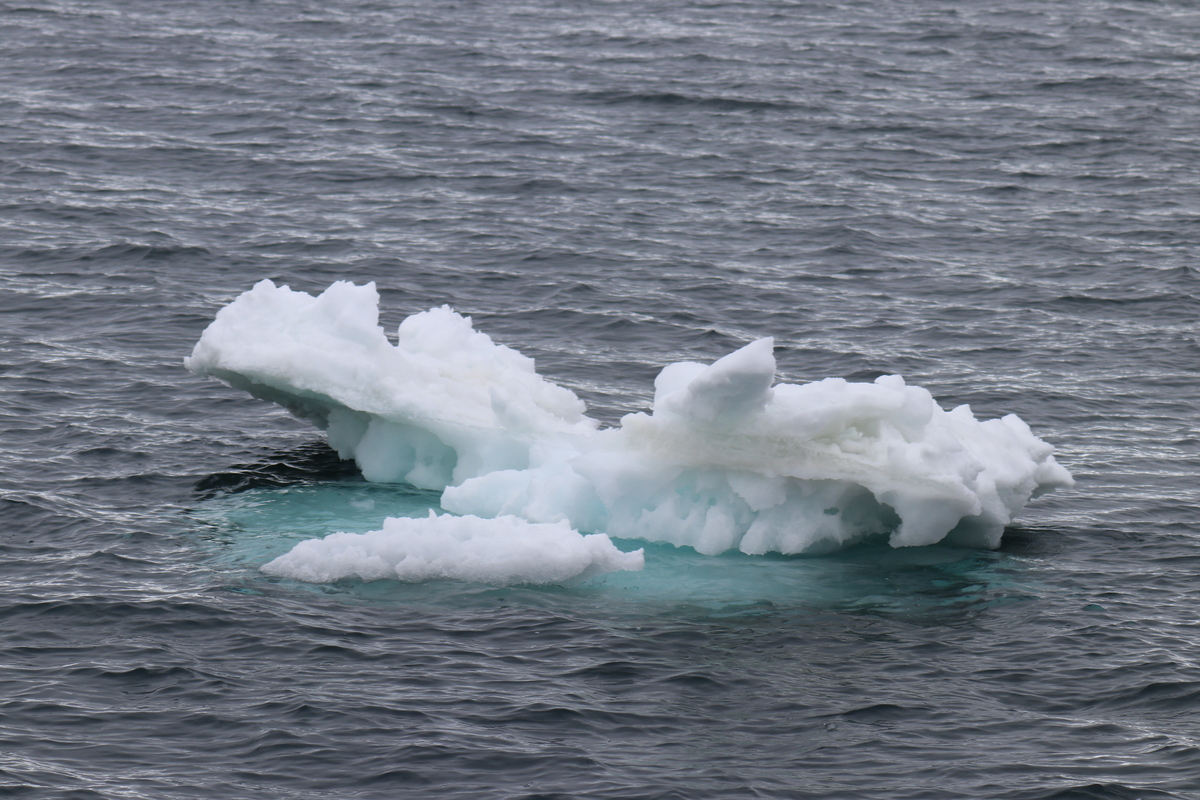
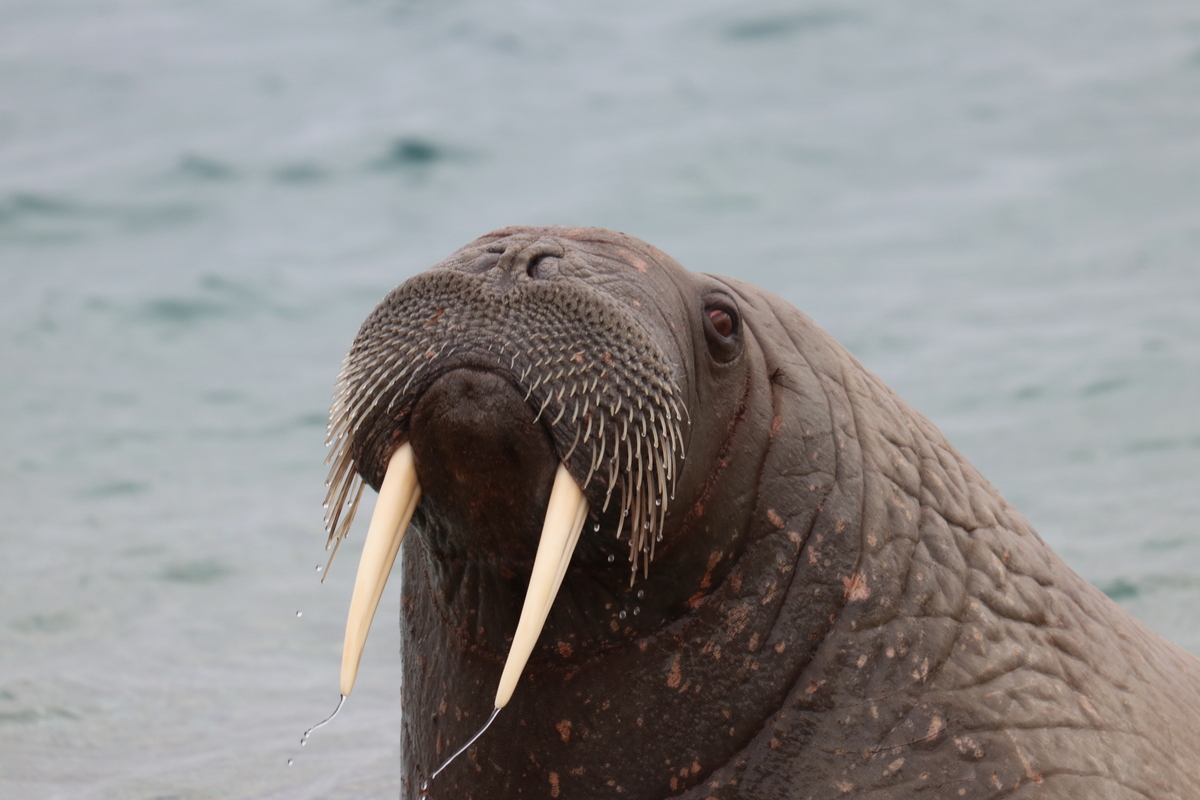
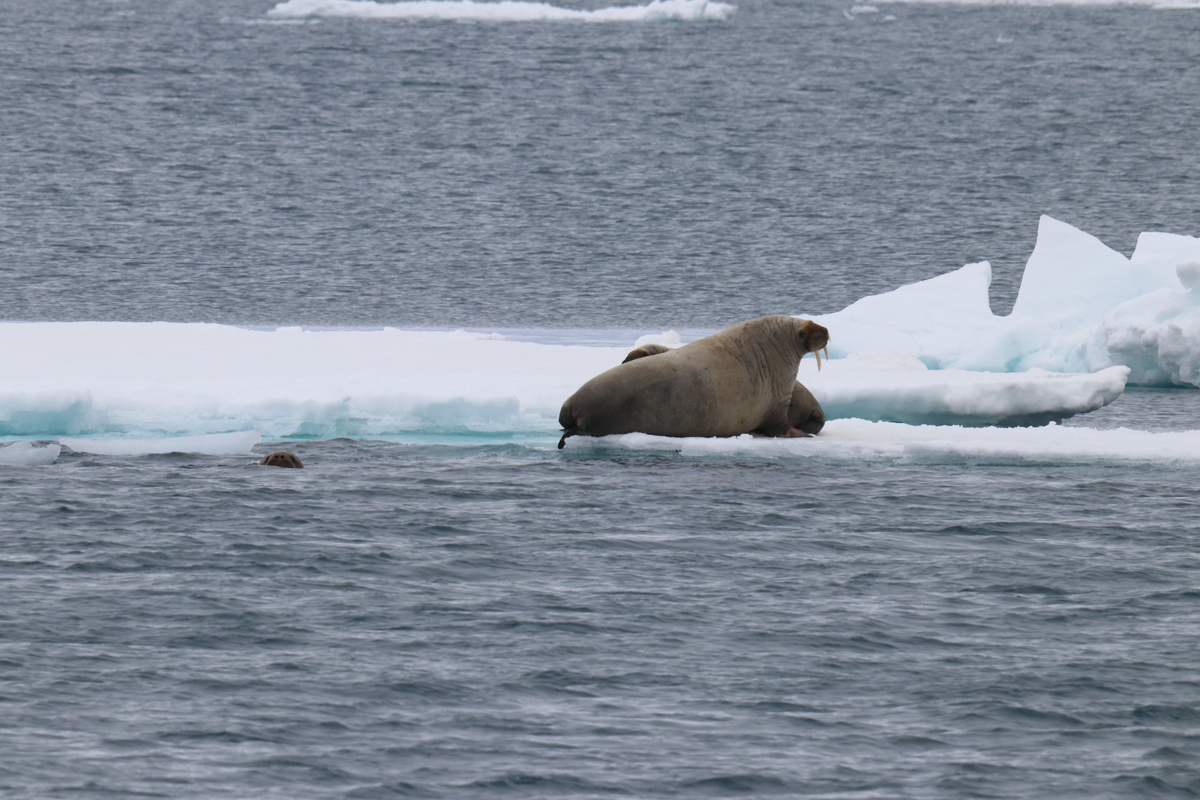
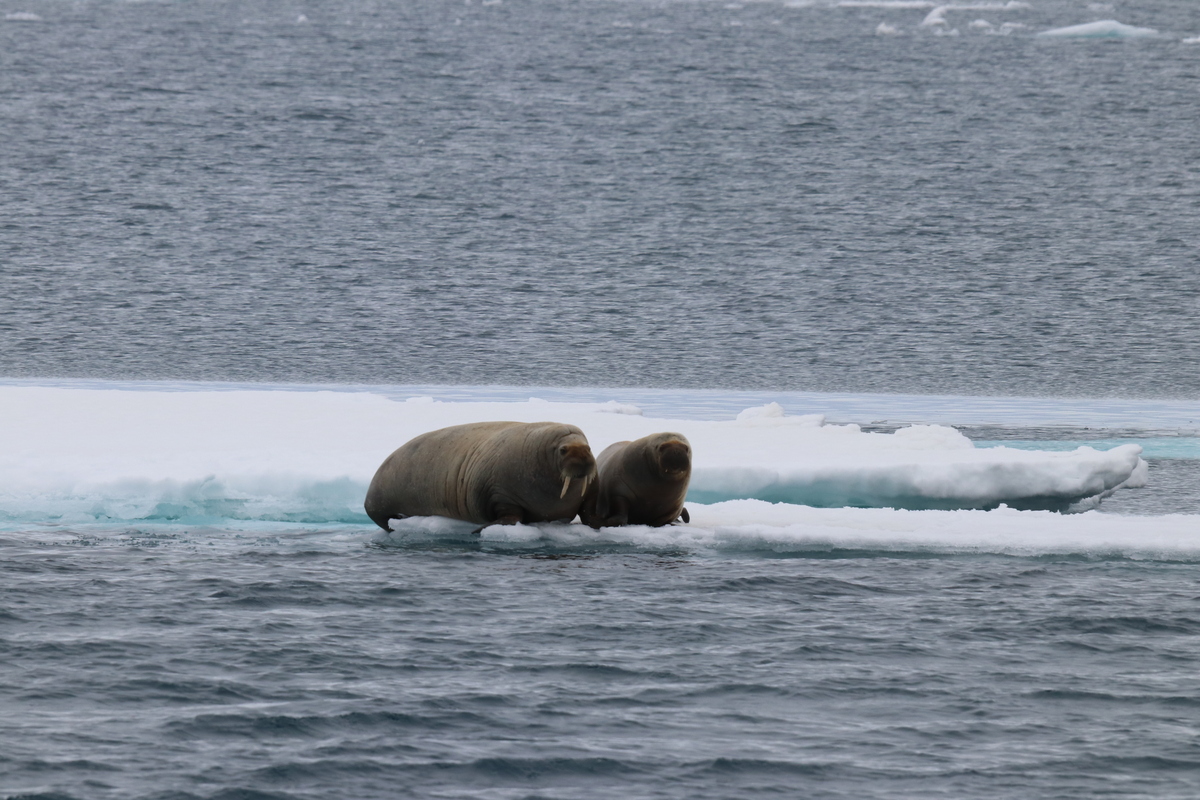
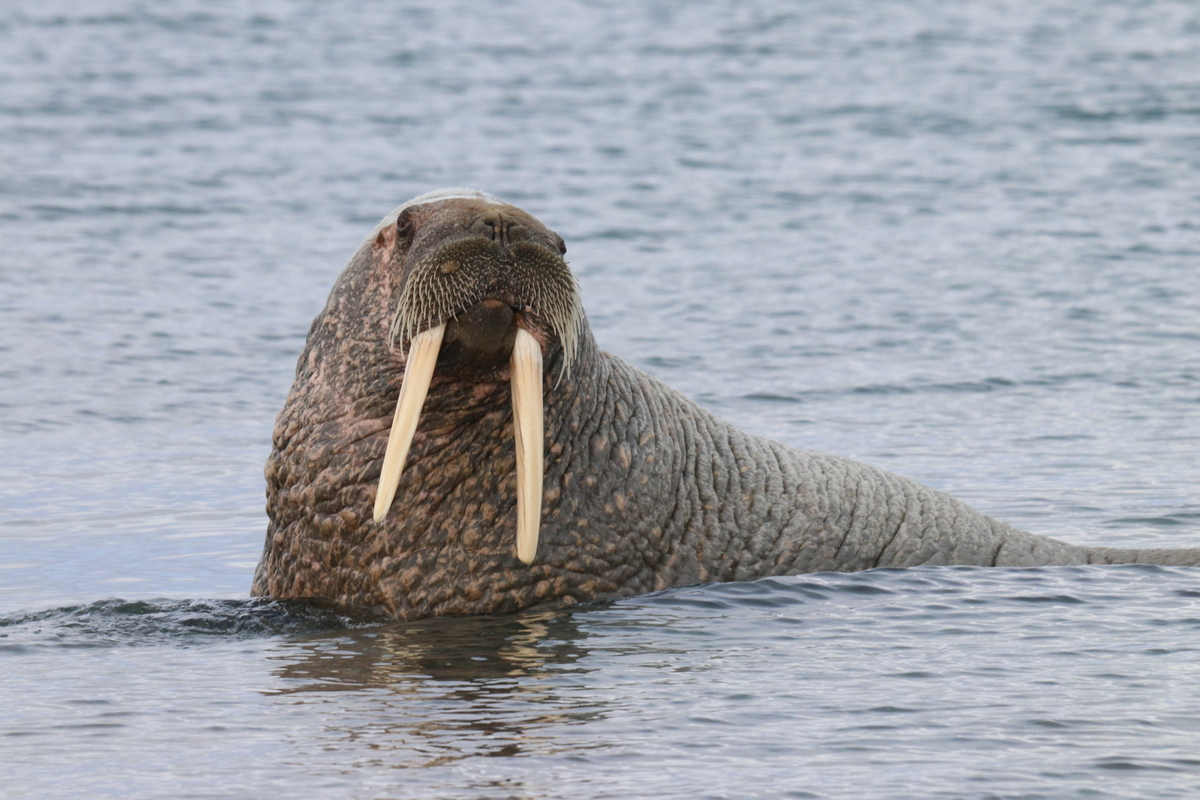
We then had a Walrus landing. We approached the walrus slowly and in a line but got very close without disturbing them. We saw them in a huddle and also a couple who were playing in the sea.

After dinner we continued further South towards the sea ice.
Day 6
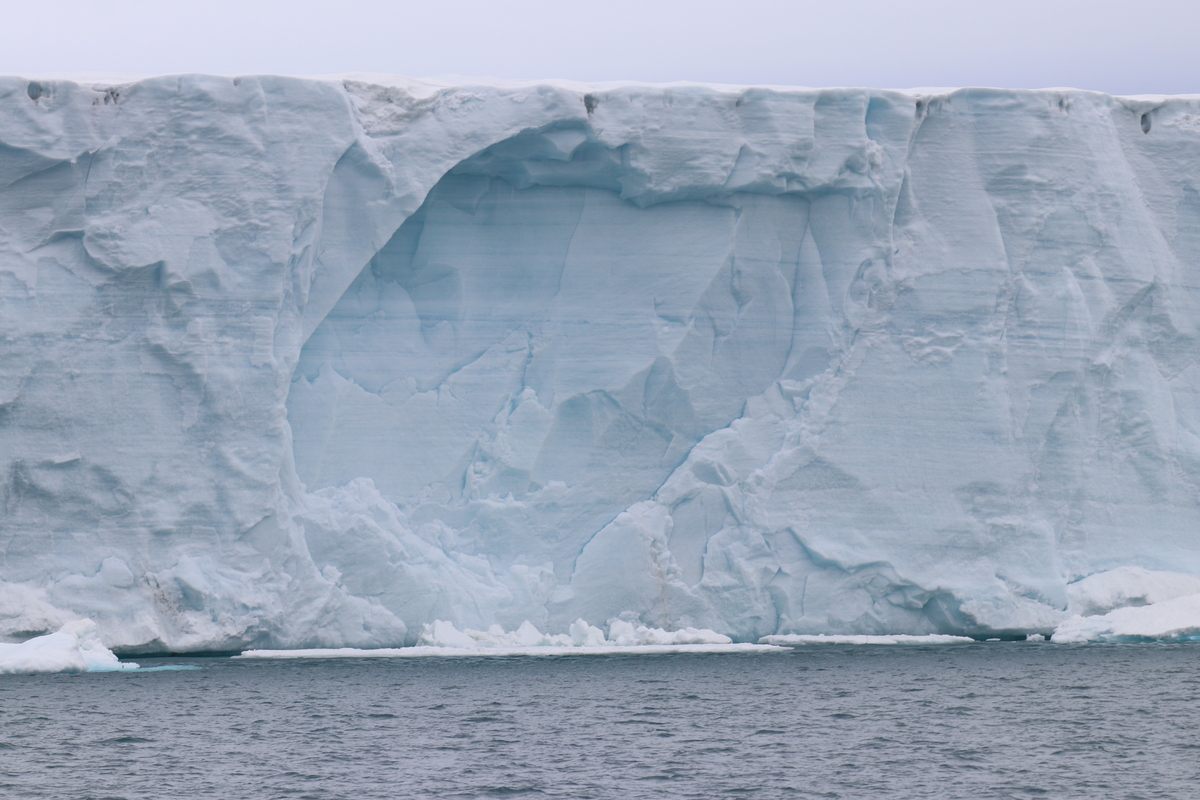
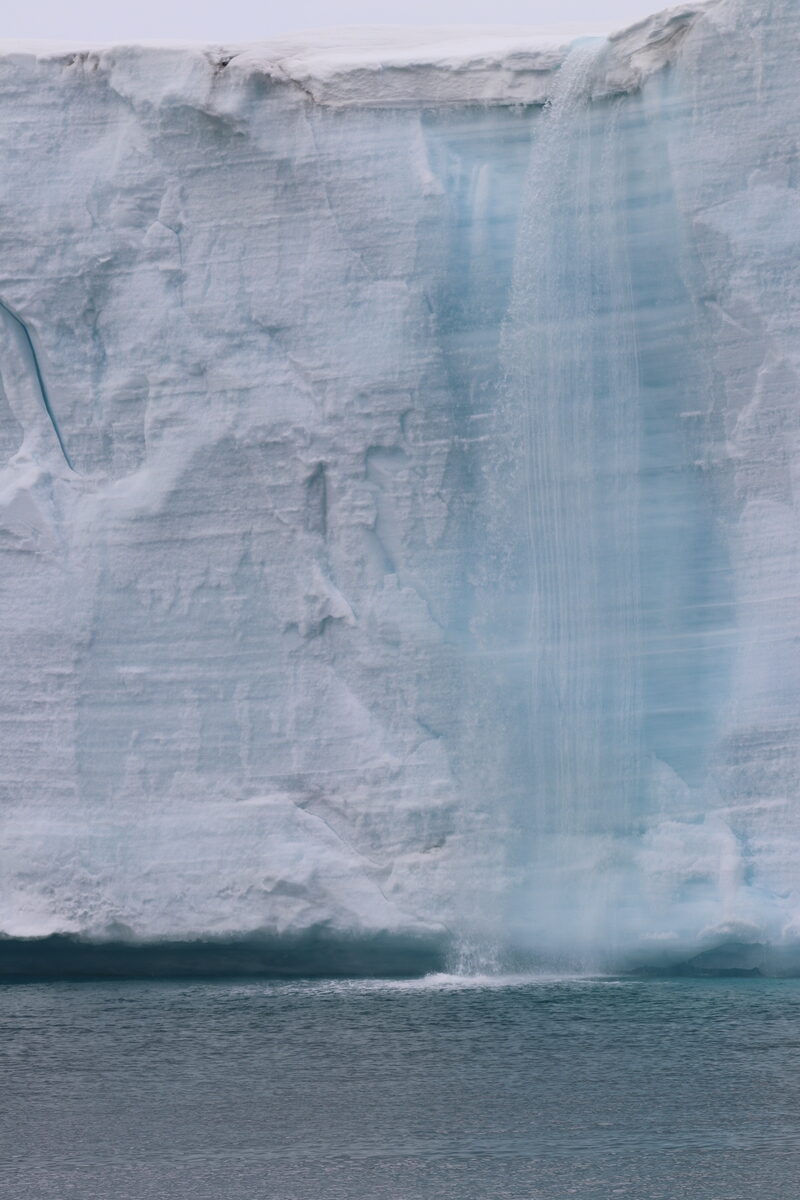
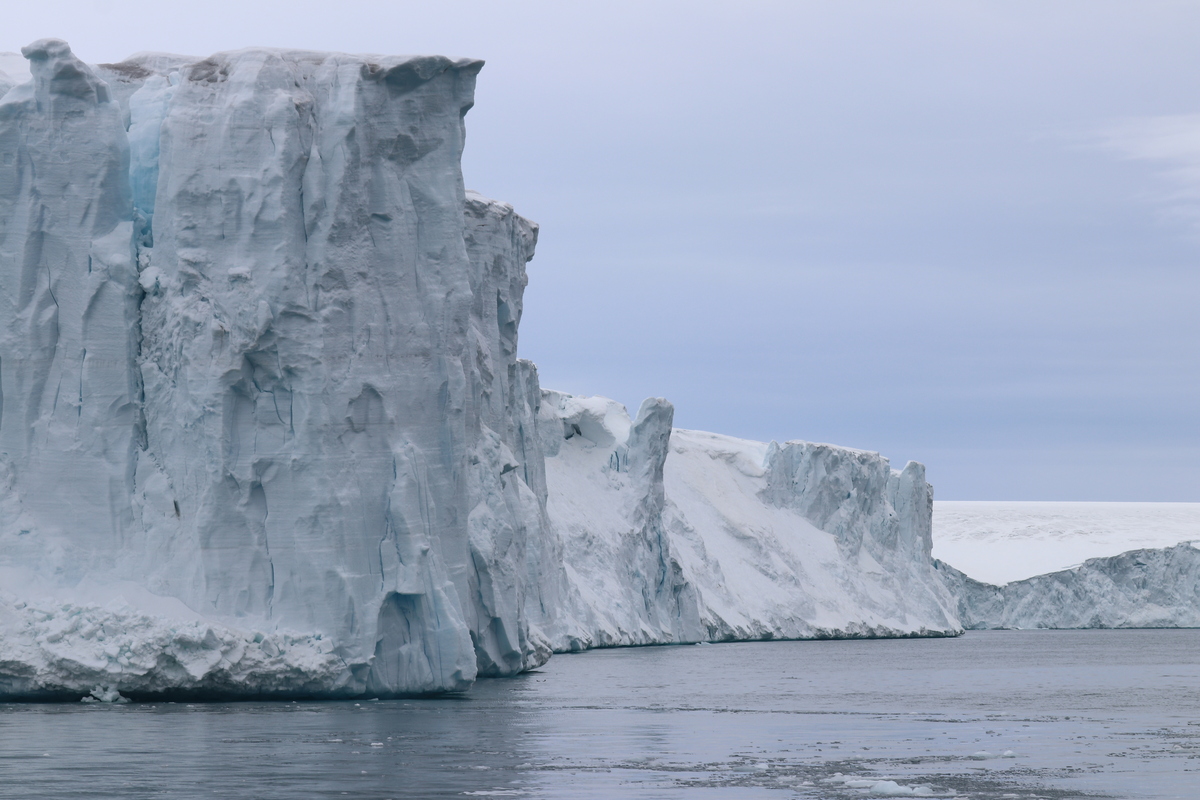
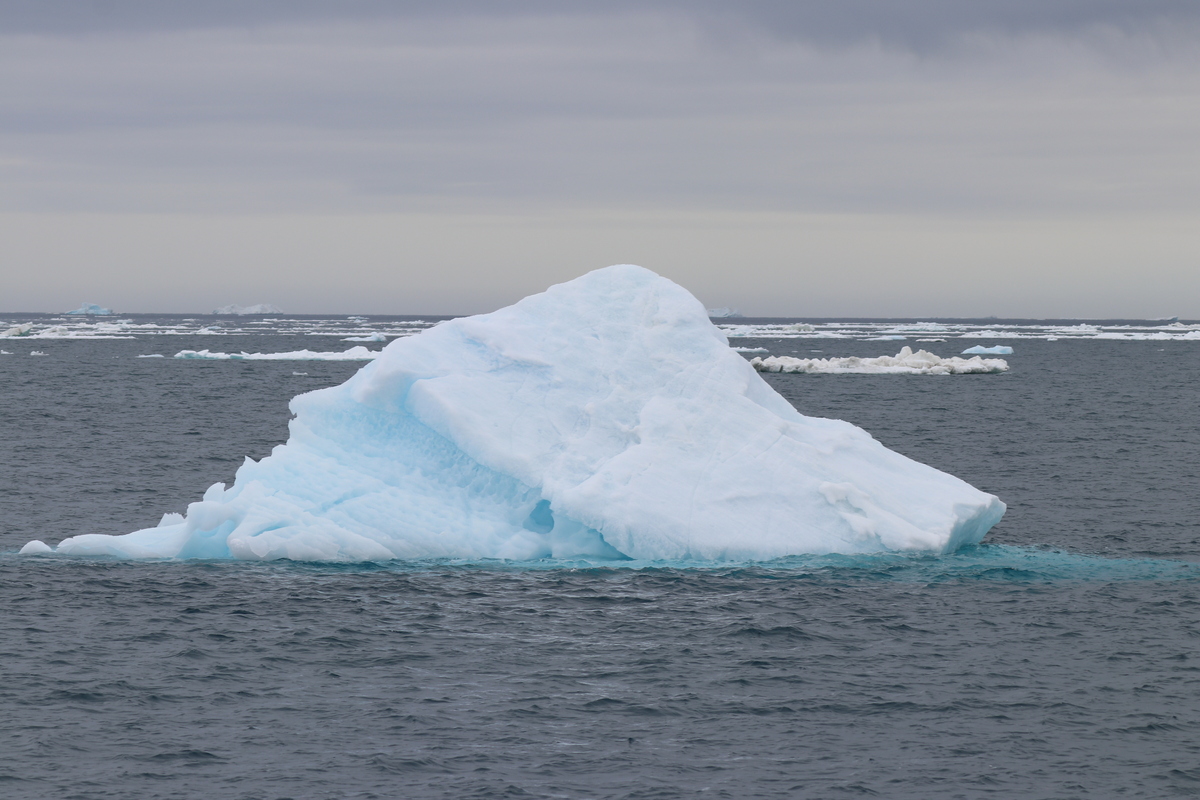
The captain and Jordi had been hoping that we could circumnavigate Spitsberg but the sea ice had proved impenetrable to Rembrandt. Thus at 2 in the morning we had turned back North. (Some people had gone up on deck to see what was happening but we stayed in our bunks and simply heard the boat grinding against the ice.) We headed across to the impressive Bråsvellbreen glacier with its 167 km frontage. At Vibebukta, before we started sailing along, we saw a bear in the distance. It spent most of its time closely watching a seal hole but occasionally raised its head to take a good look around. We then sailed some way along the glacier admiring the various structures. After a while it was decided that we needed to go north then west so we turned. We again saw a bear at Vibebukta, believed to be different from the previous one.

Day 7
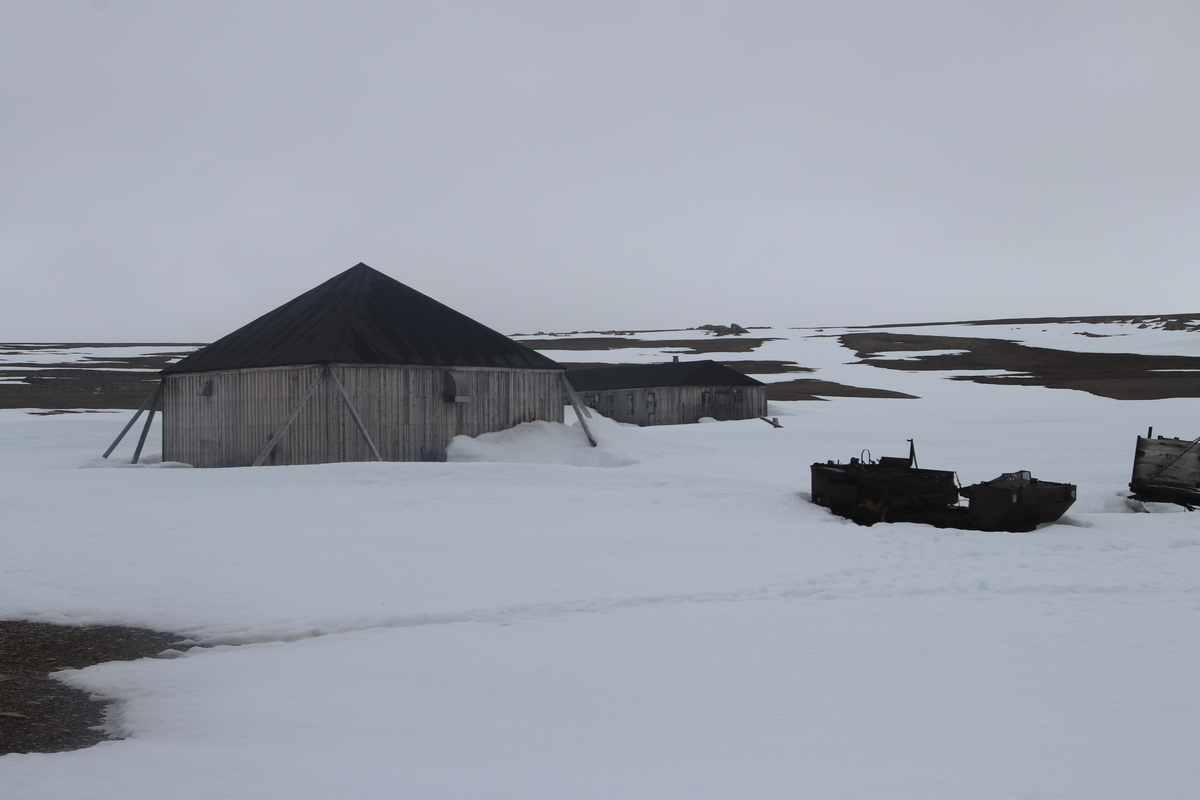
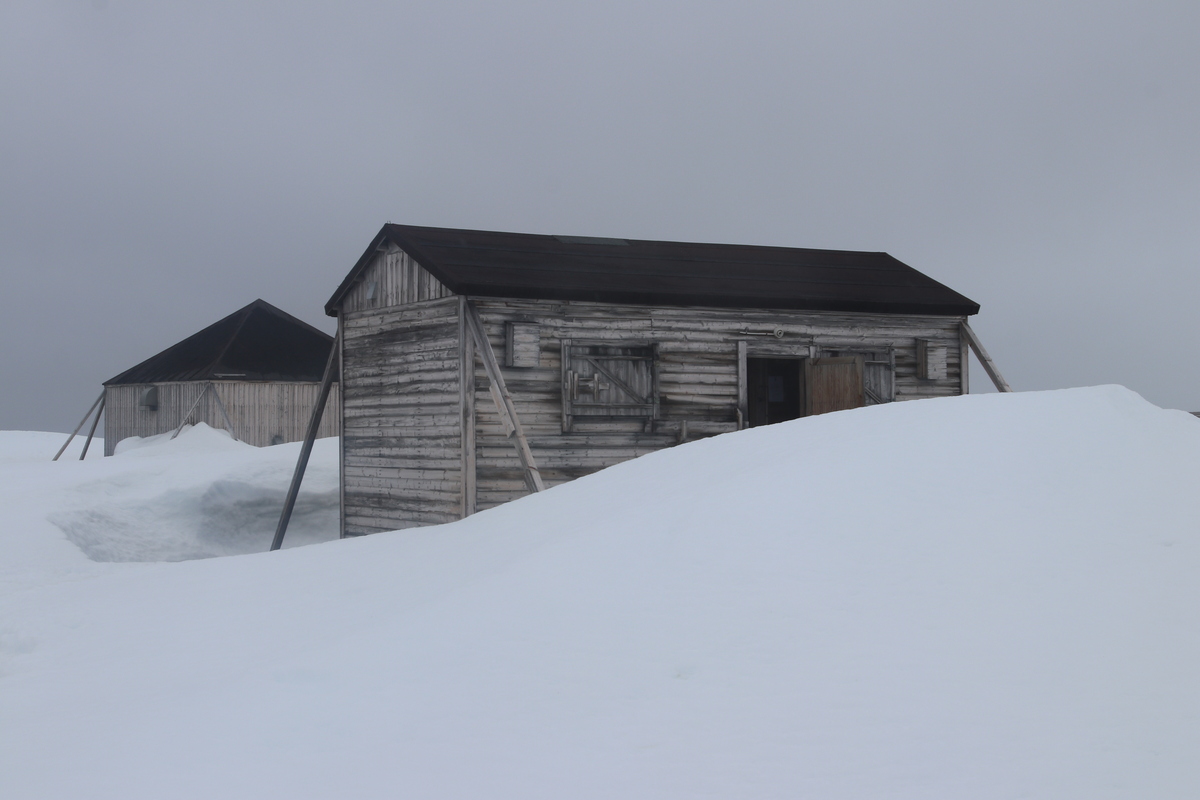
The sea got quite choppy overnight so only about half the people made breakfast. We did but it was a very light breakfast. The wind eased and we made our first planned landing after lunch. This was at Kinnivika where we saw the huts from a scientific research station that was first set up in 1957 and used again in 2007. We then took a short walk.
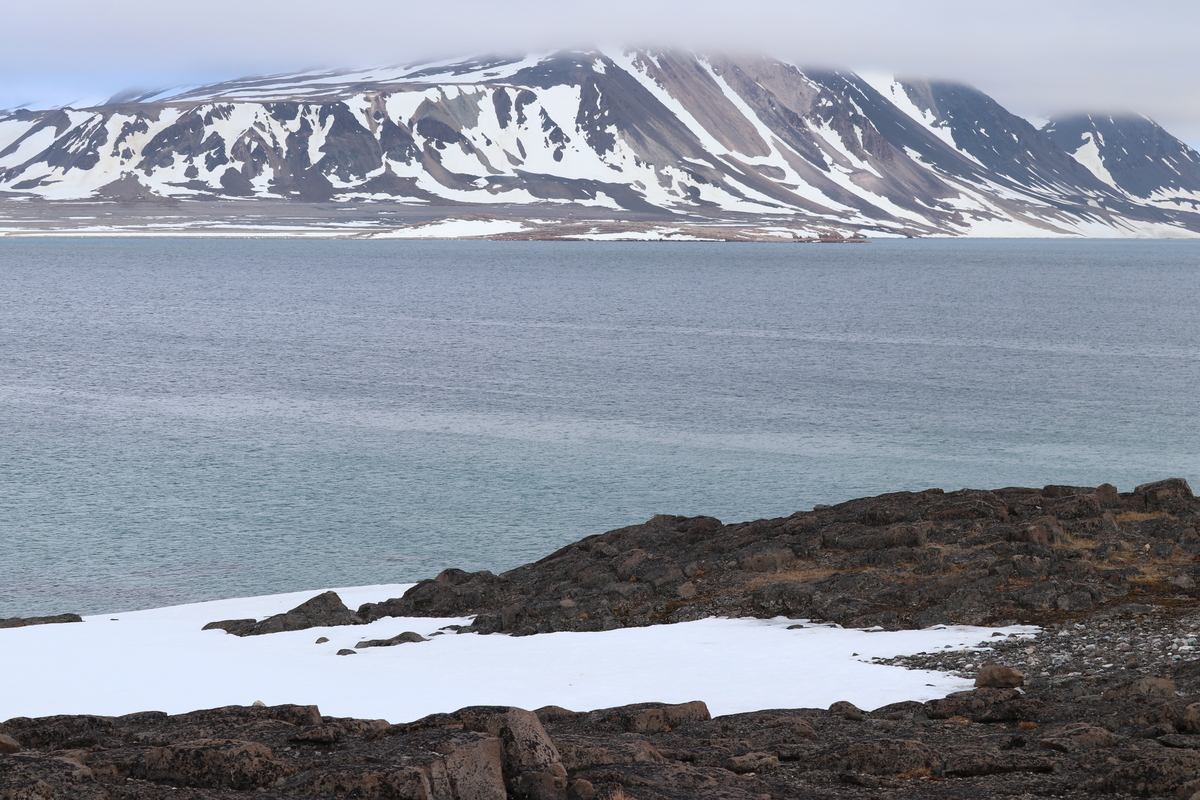
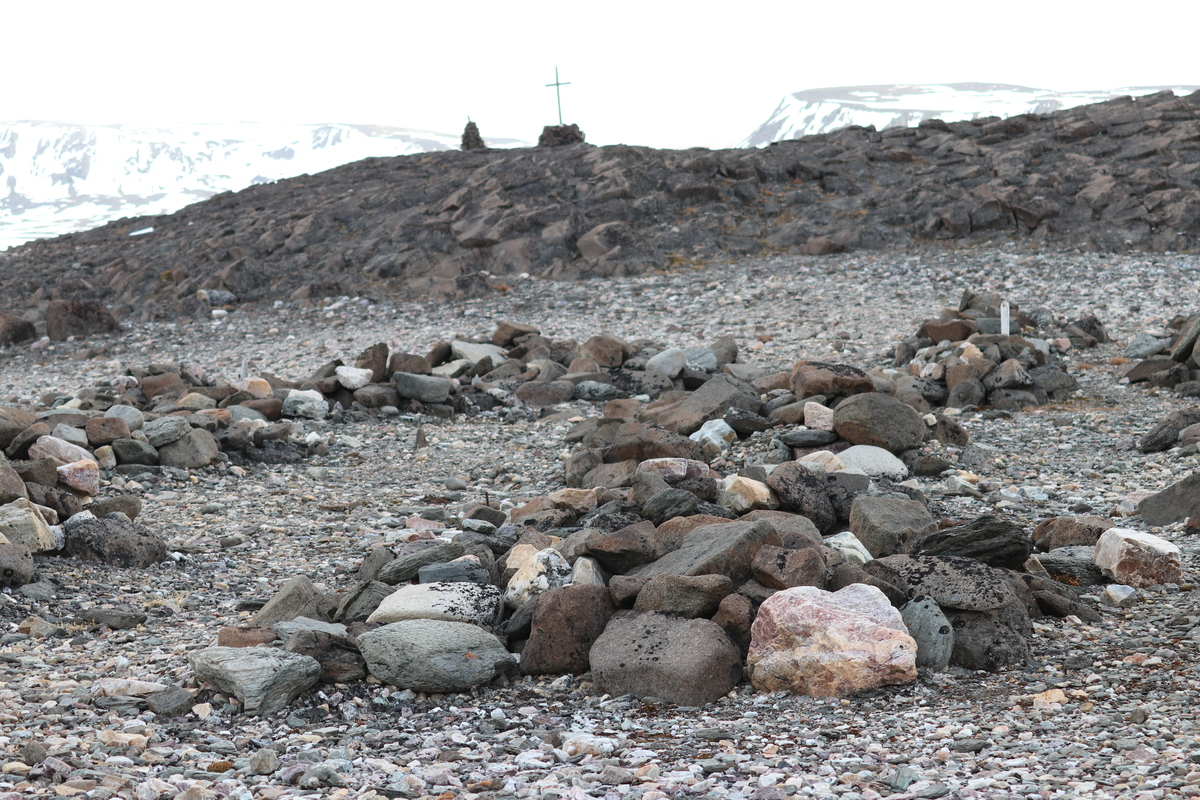
Our second landing was after dinner in Sorgfjord where there had been a sea battle between French and Dutch whalers in 1693. We took a longer walk across some ice and up a small hill passing a graveyard for whalers.


Day 8
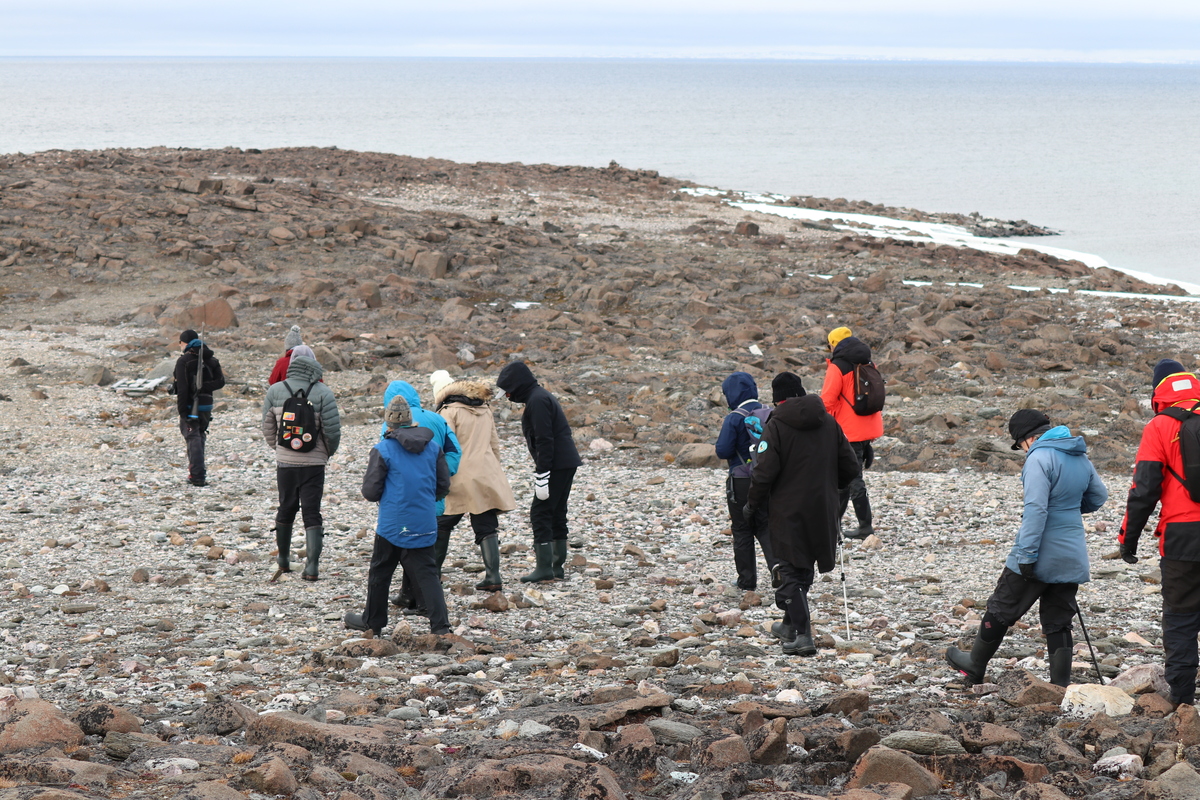
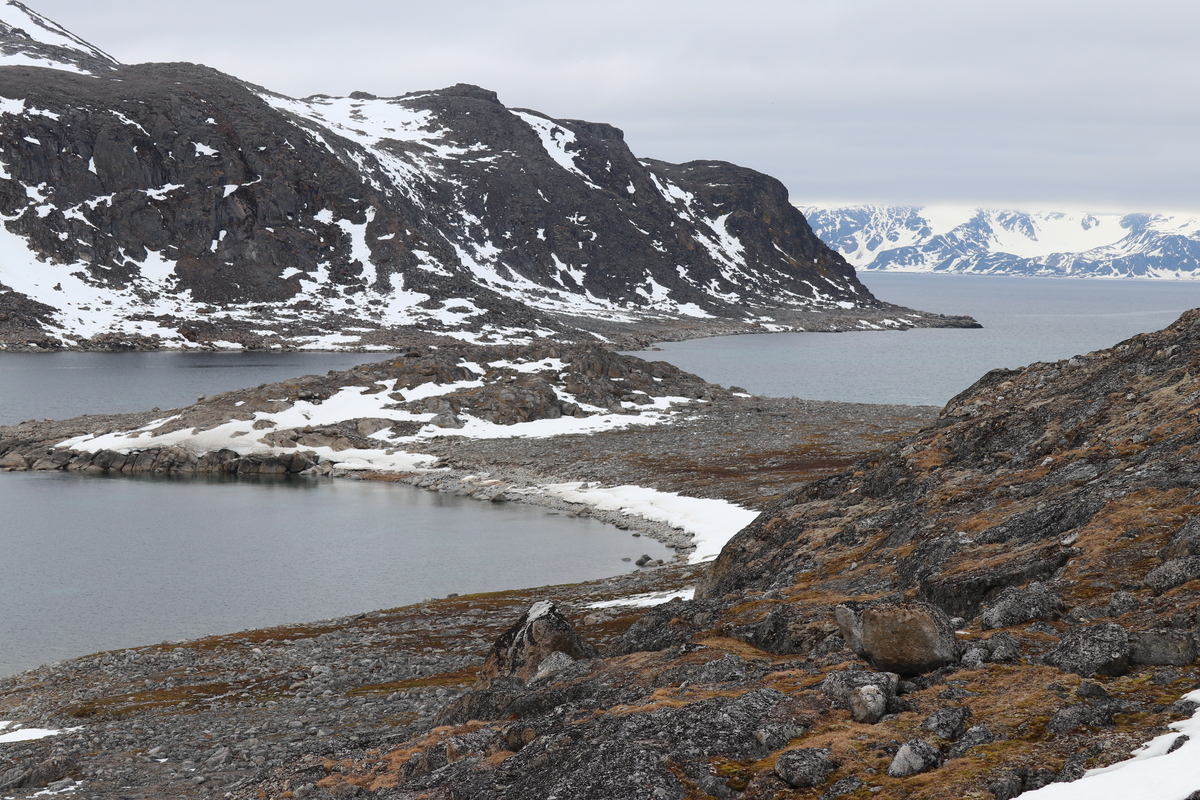
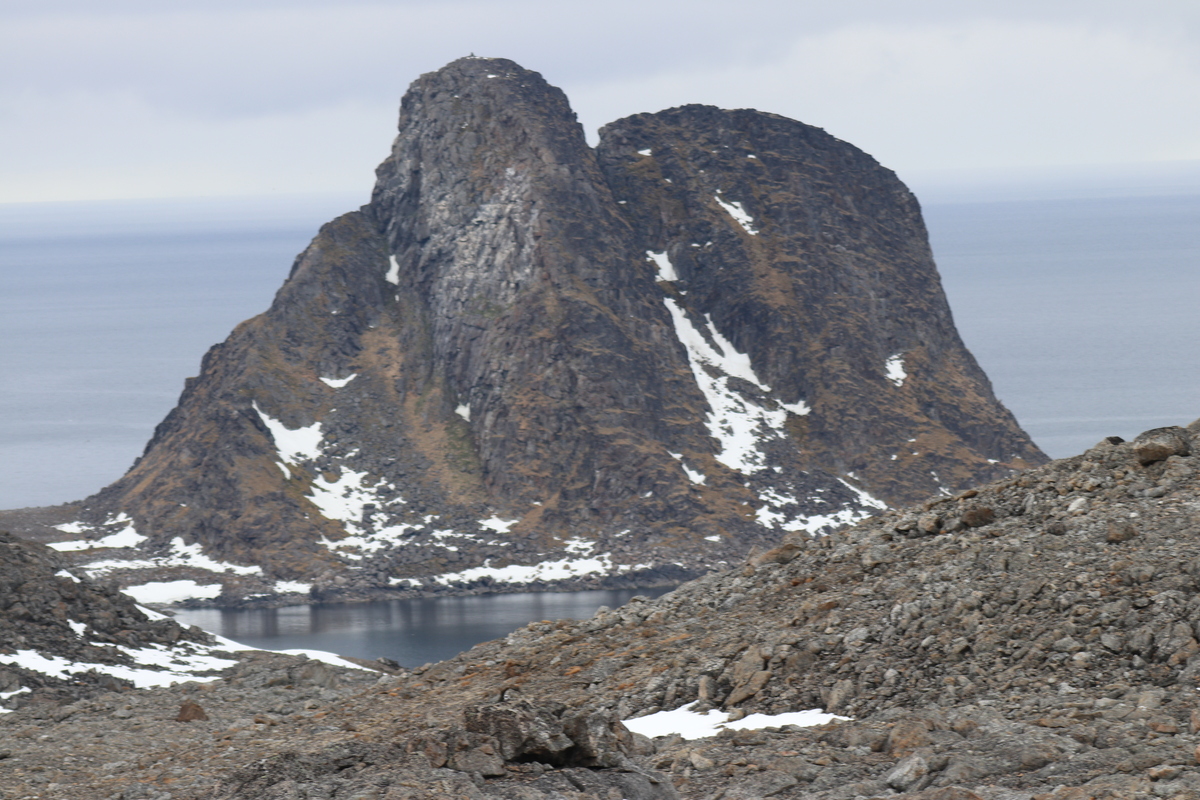
We started at Ytre Norskeeya. This is a protected whaling station with a lot of graves. We climbed a hill and were rewarded by lovely views..
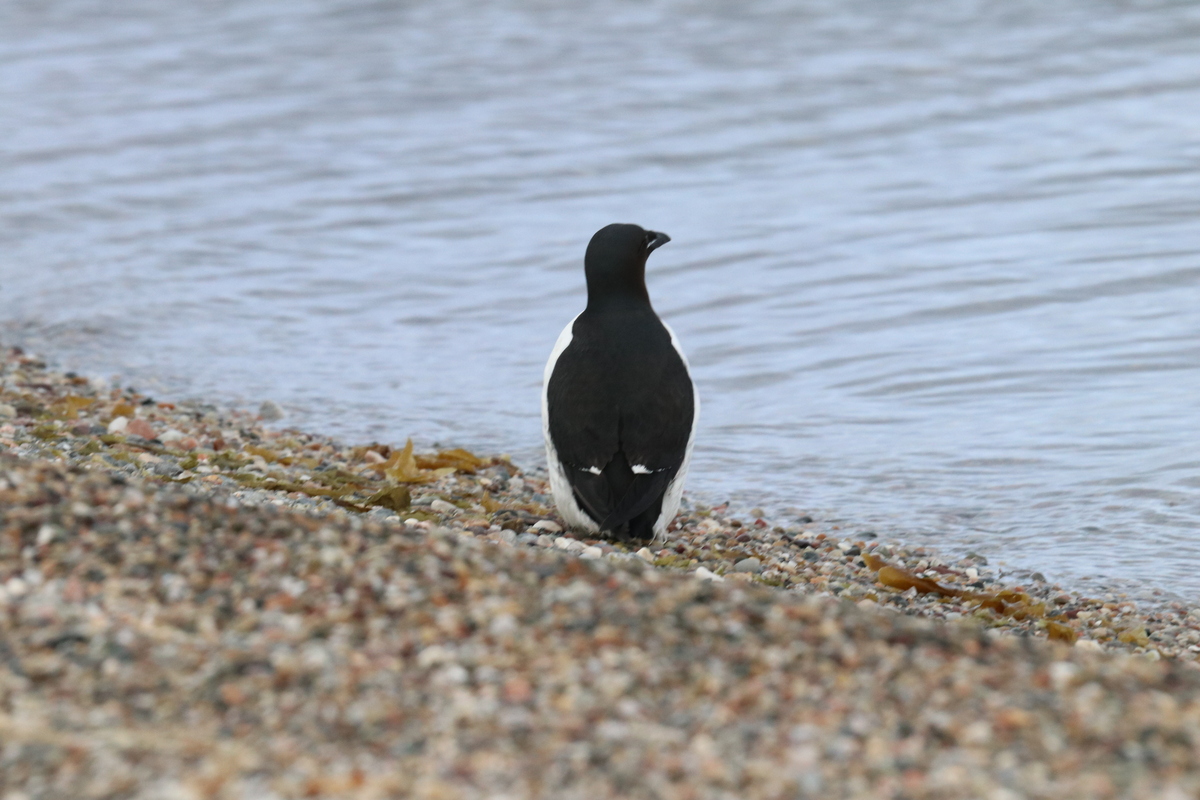
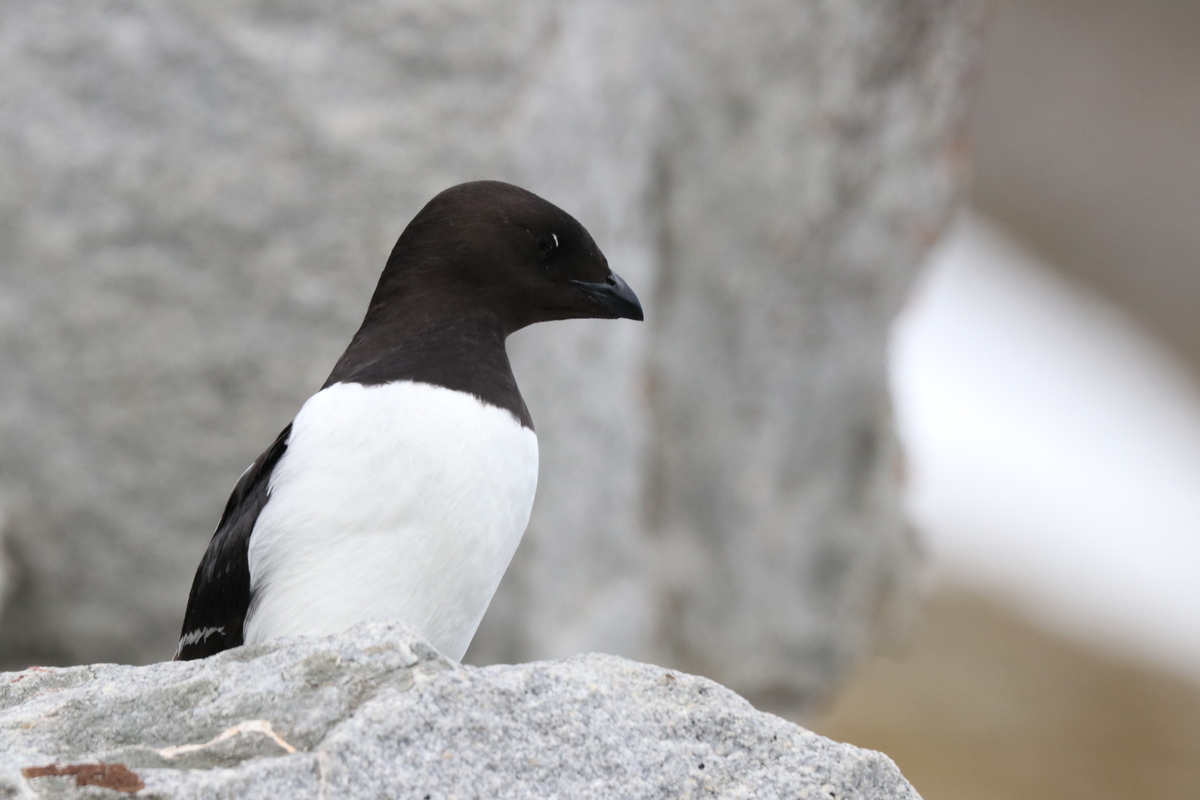
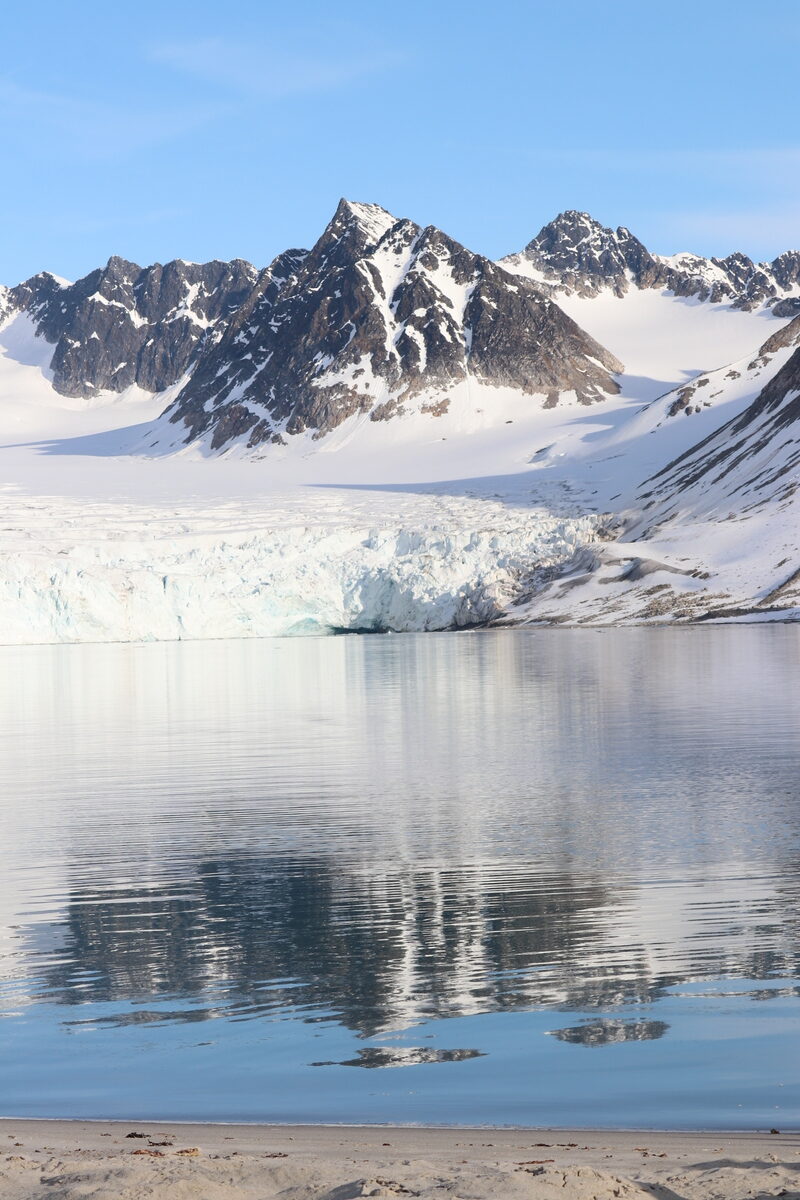
After lunch we headed for the stunning Magdalene fjord. Here we landed and climbed a little way up a hill to a place where we could sit on rocks and watch the Little Auks. This was magical both for the birds and the surrounding scenery.

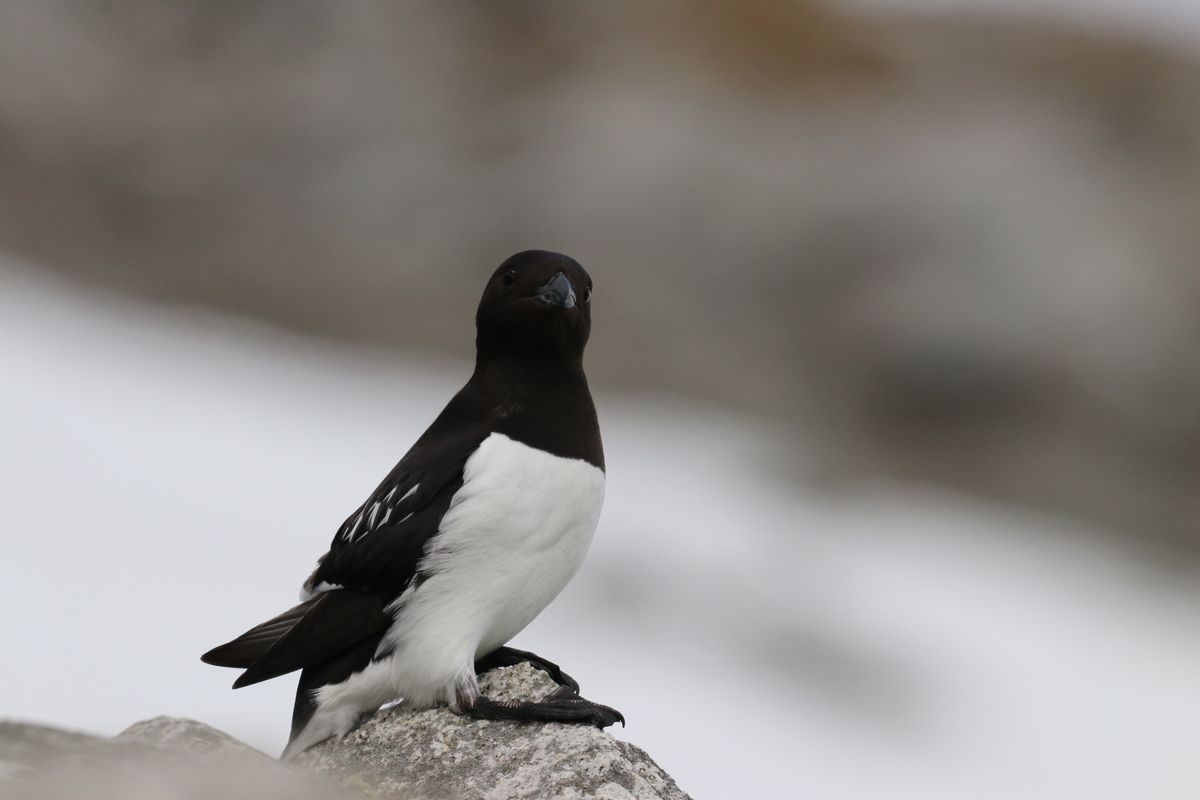
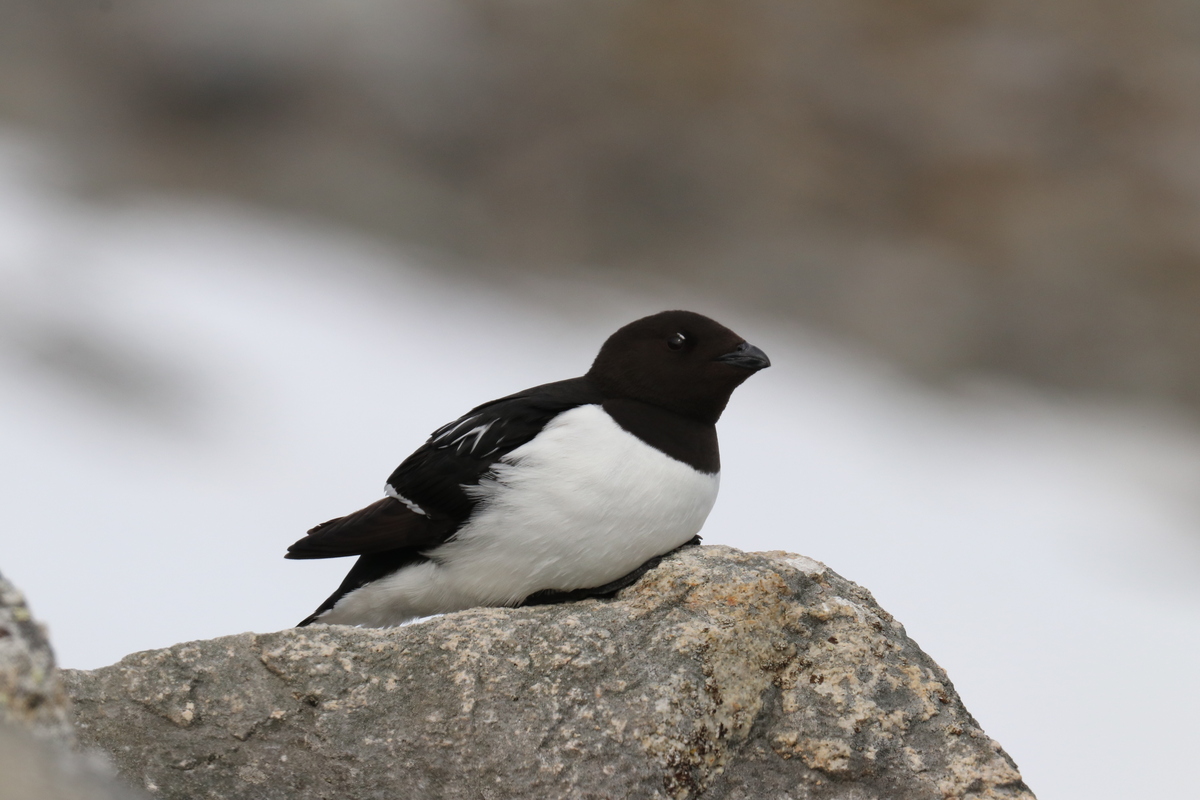
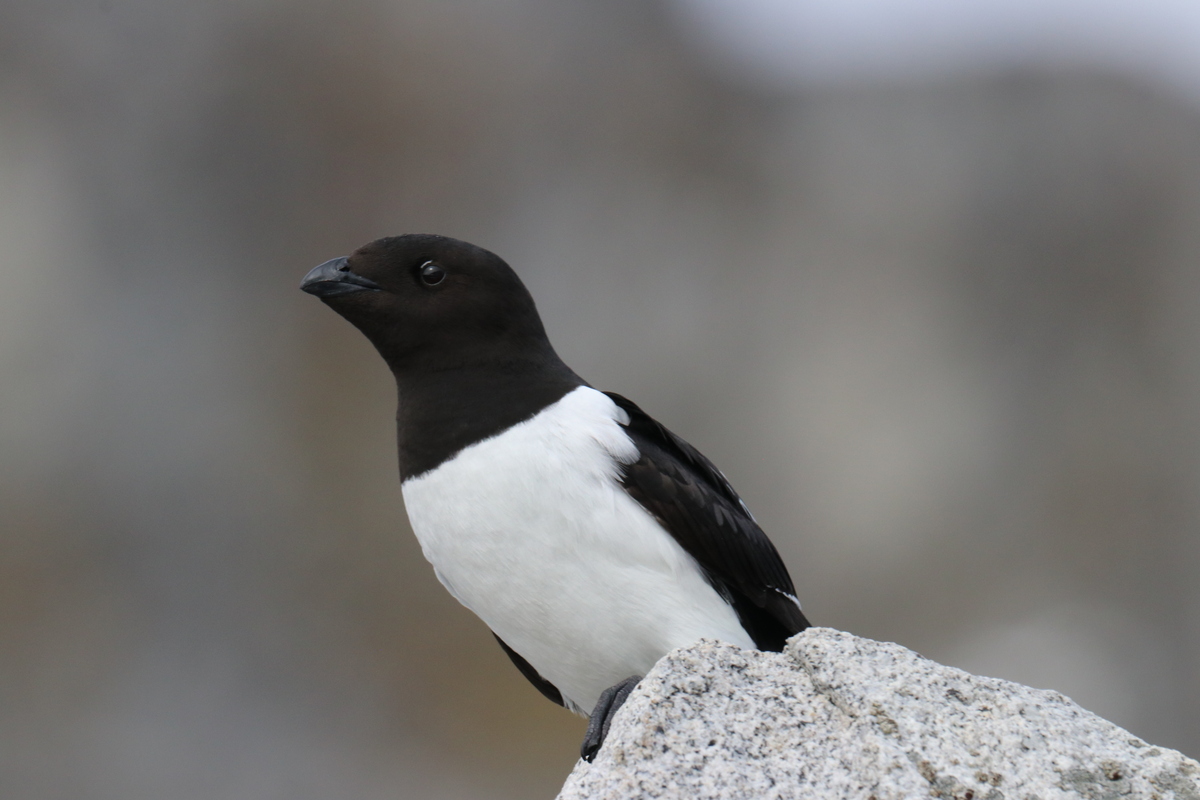
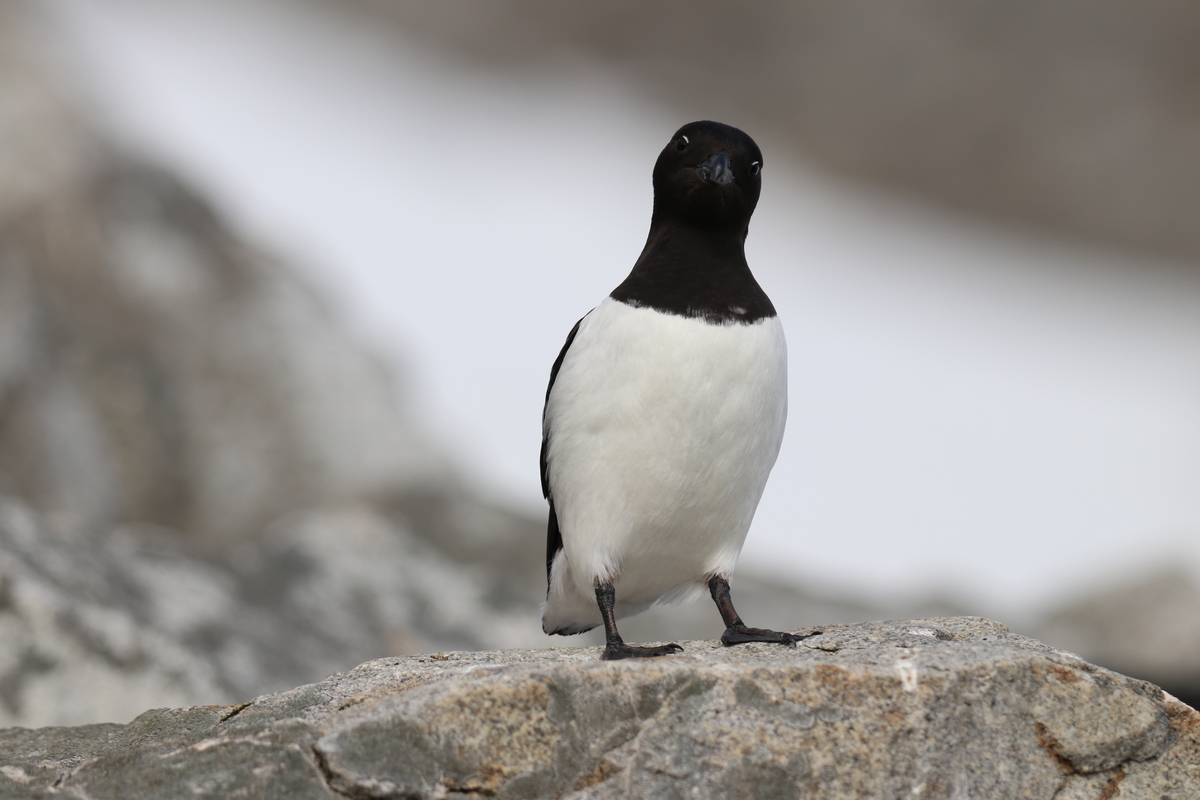
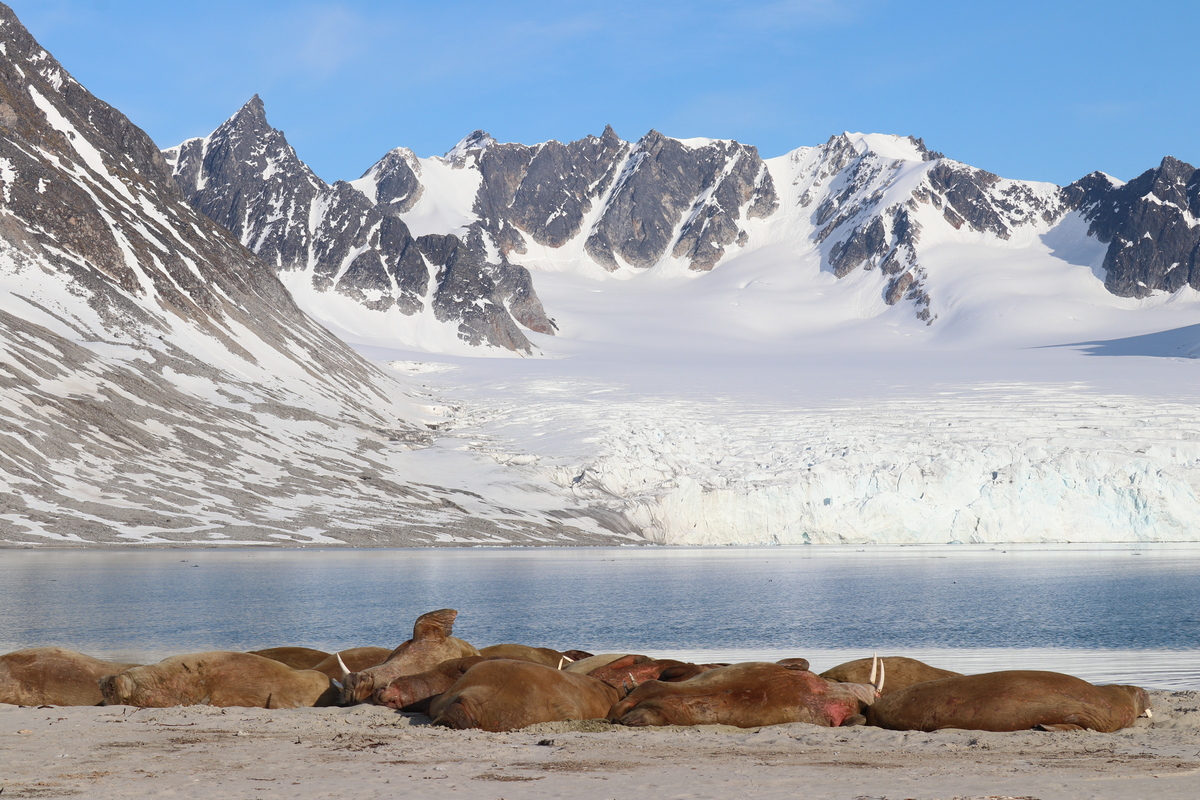
After dinner we had a walrus landing and a short walk before leaving the fjord with the sun shining.

Day 9
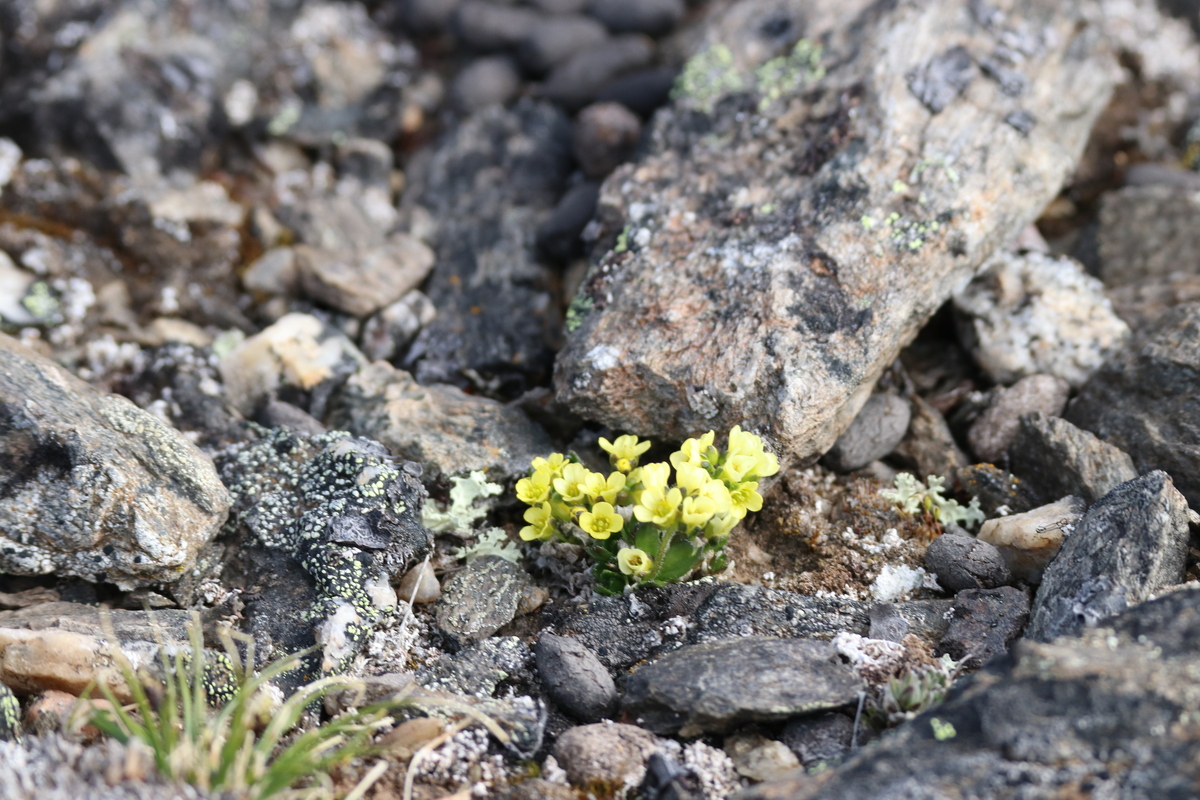
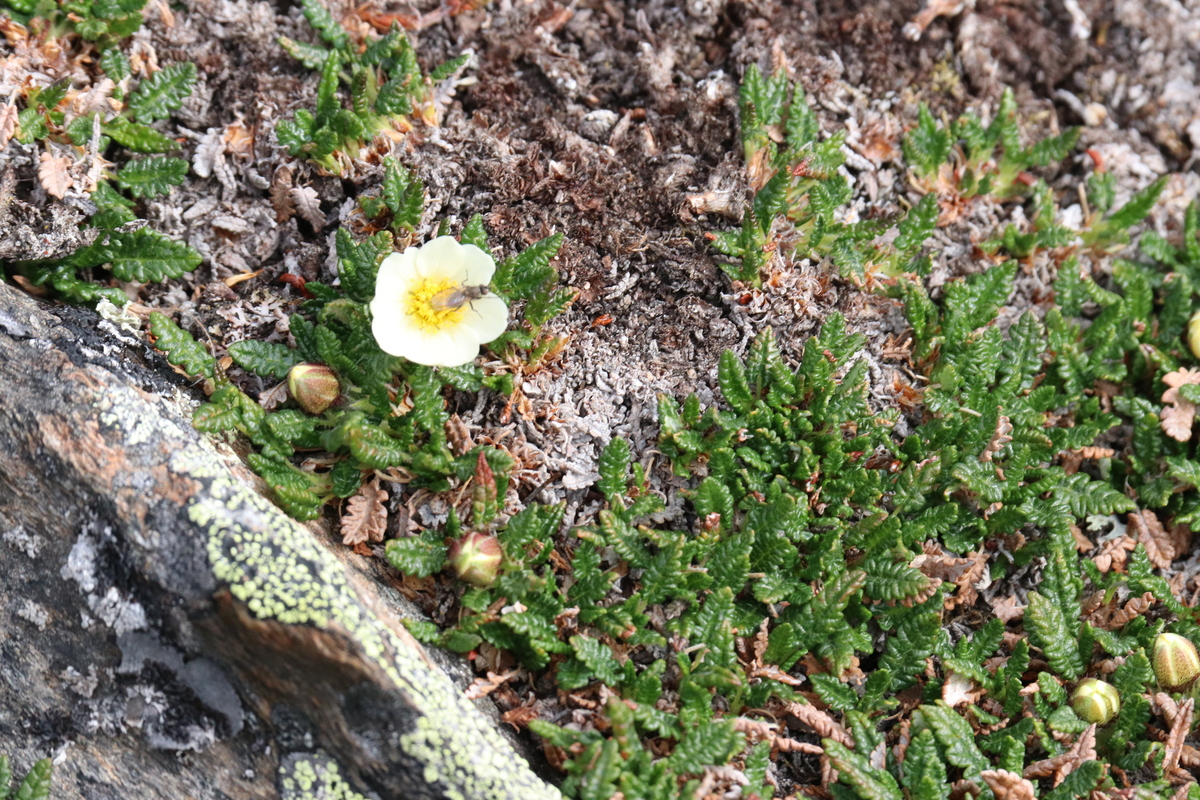
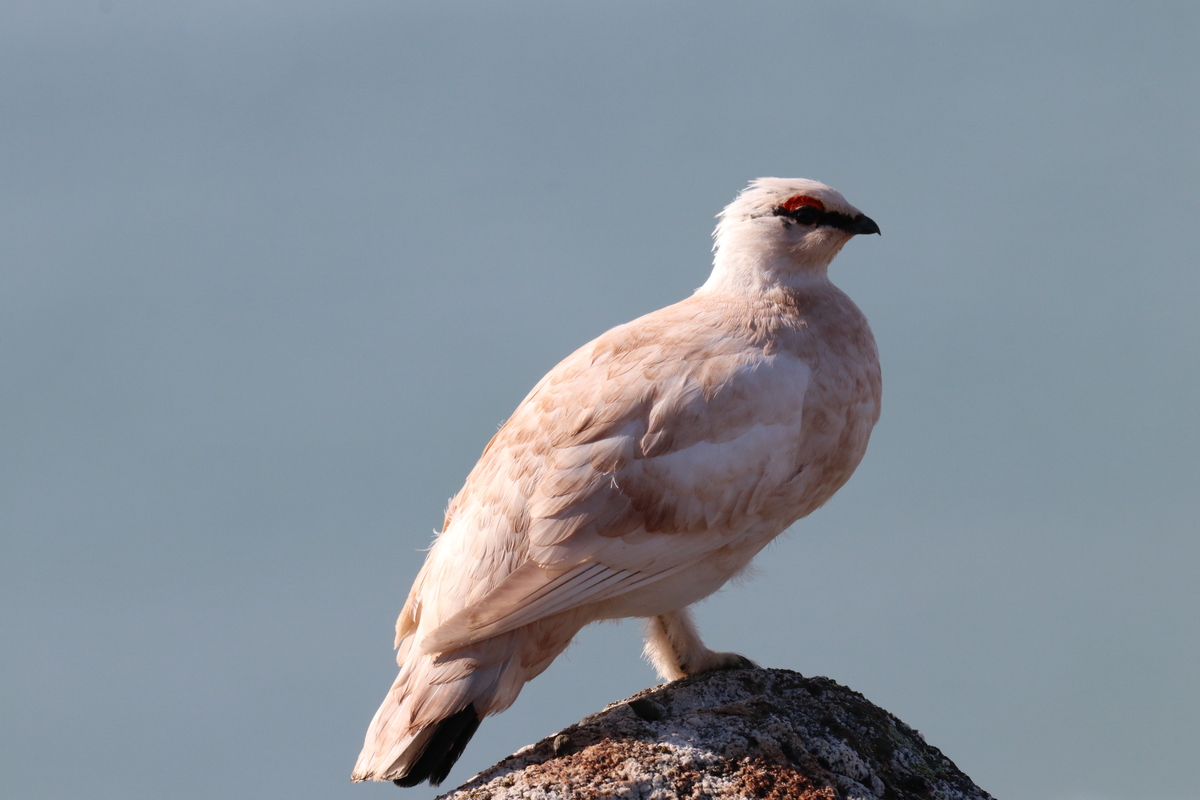
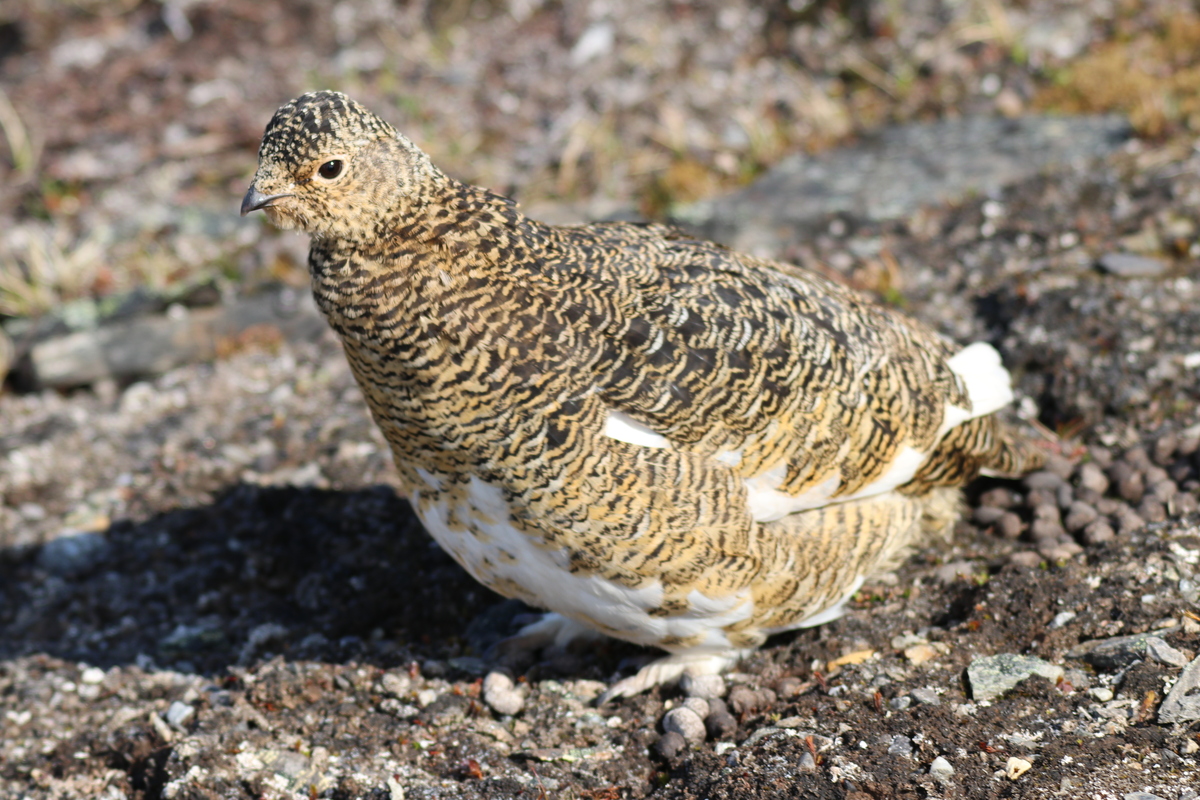
We woke up in Kongsfjorden and anchored by Ossian Sjarsfjellet. We landed and climbed up to overlook a colony of kittiwakes. We then walked slowly back on the lookout for foxes. We saw a male ptarmigan and then a female who retreated to the nest where she had at least 8 eggs.. We had a brief glimpse of a fox .but our presence scared him or her away and the ptarmigan were safe for the time being.
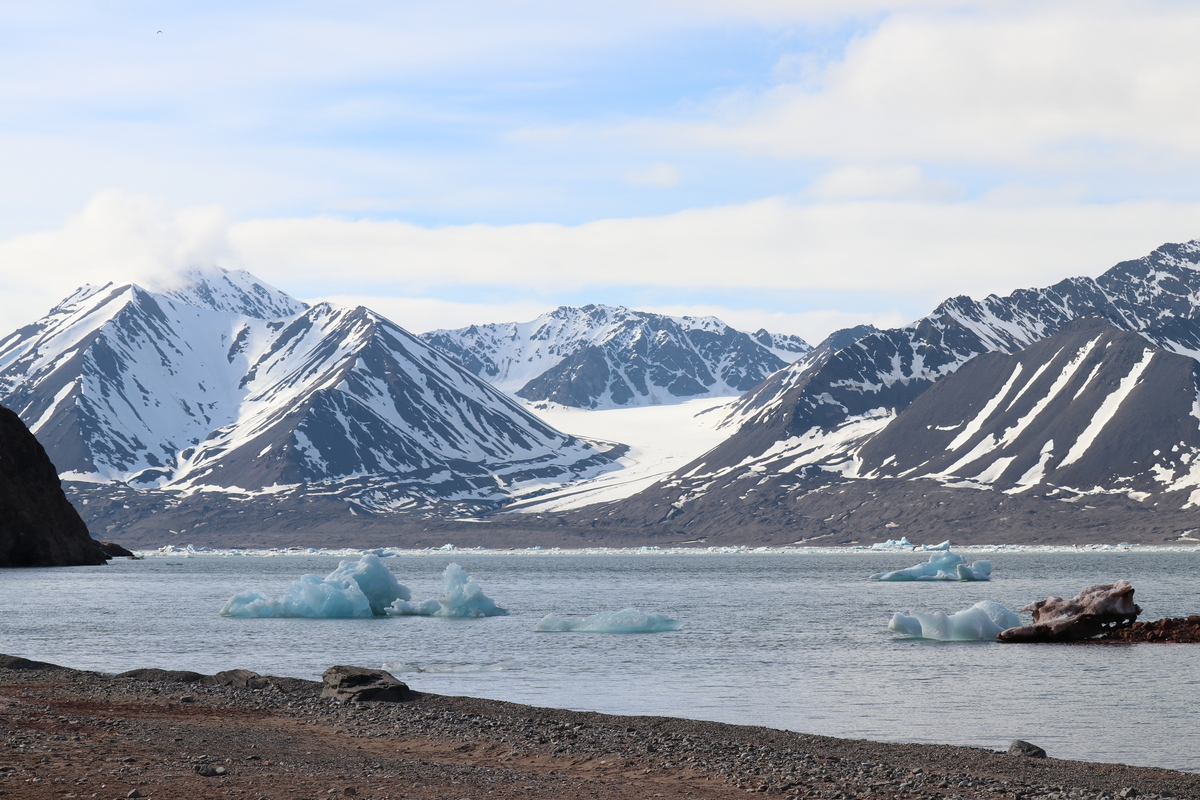
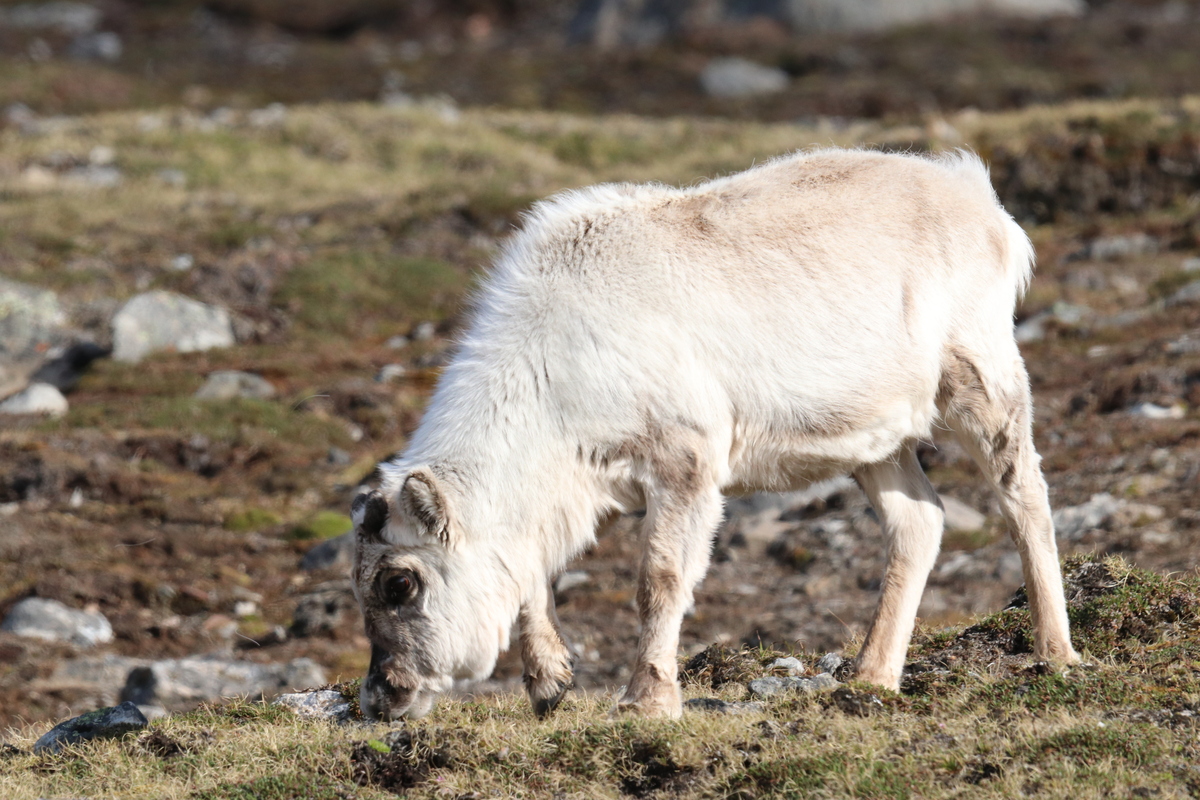
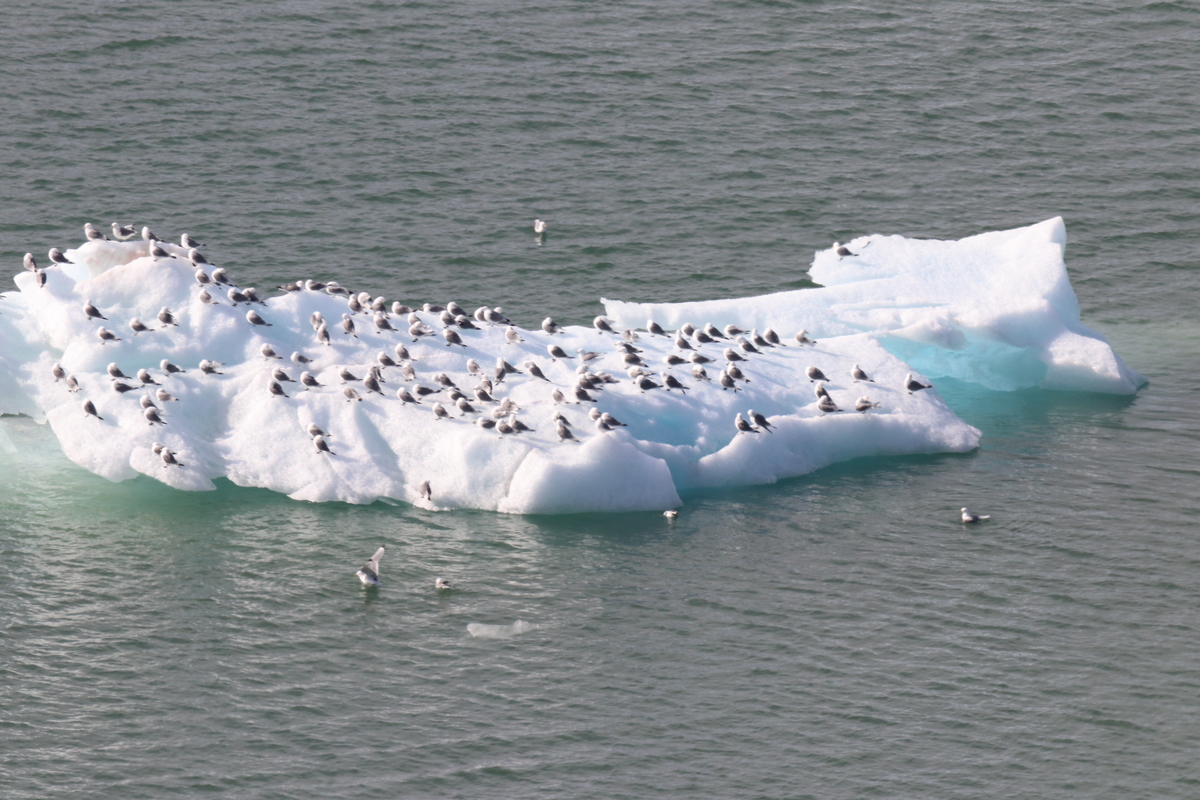
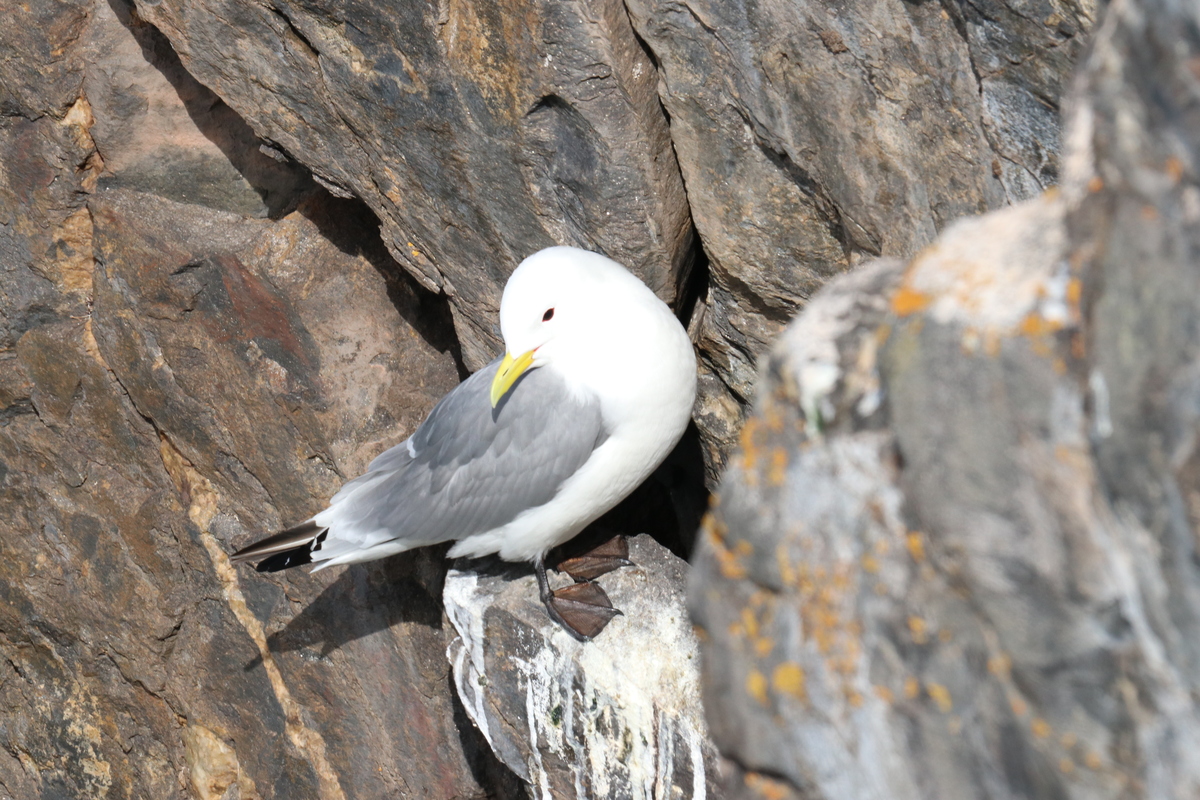
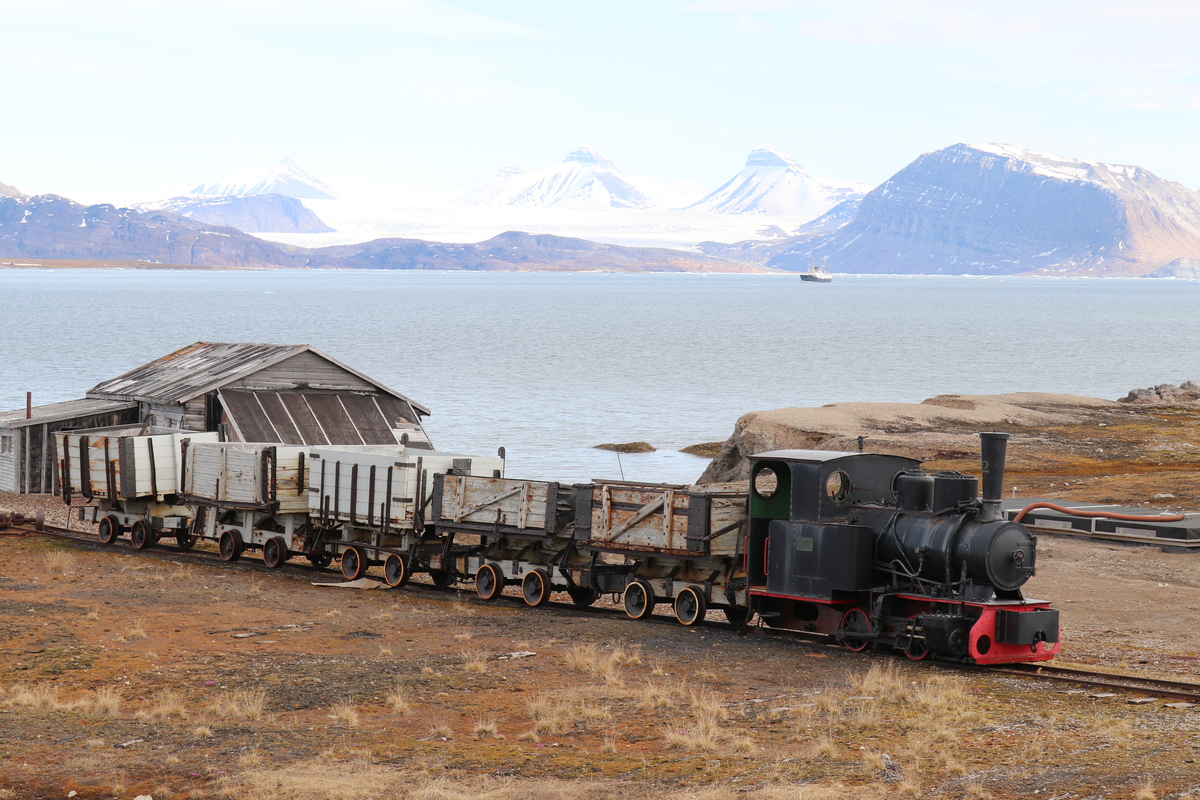
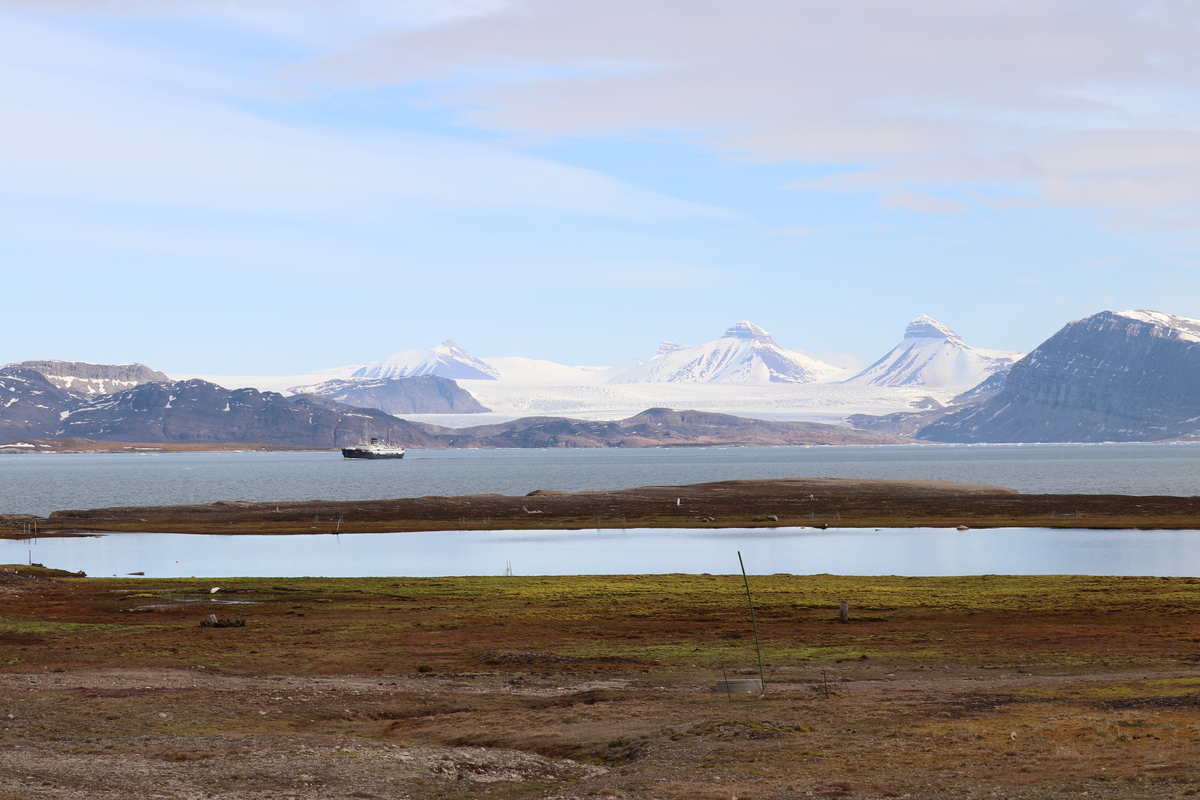
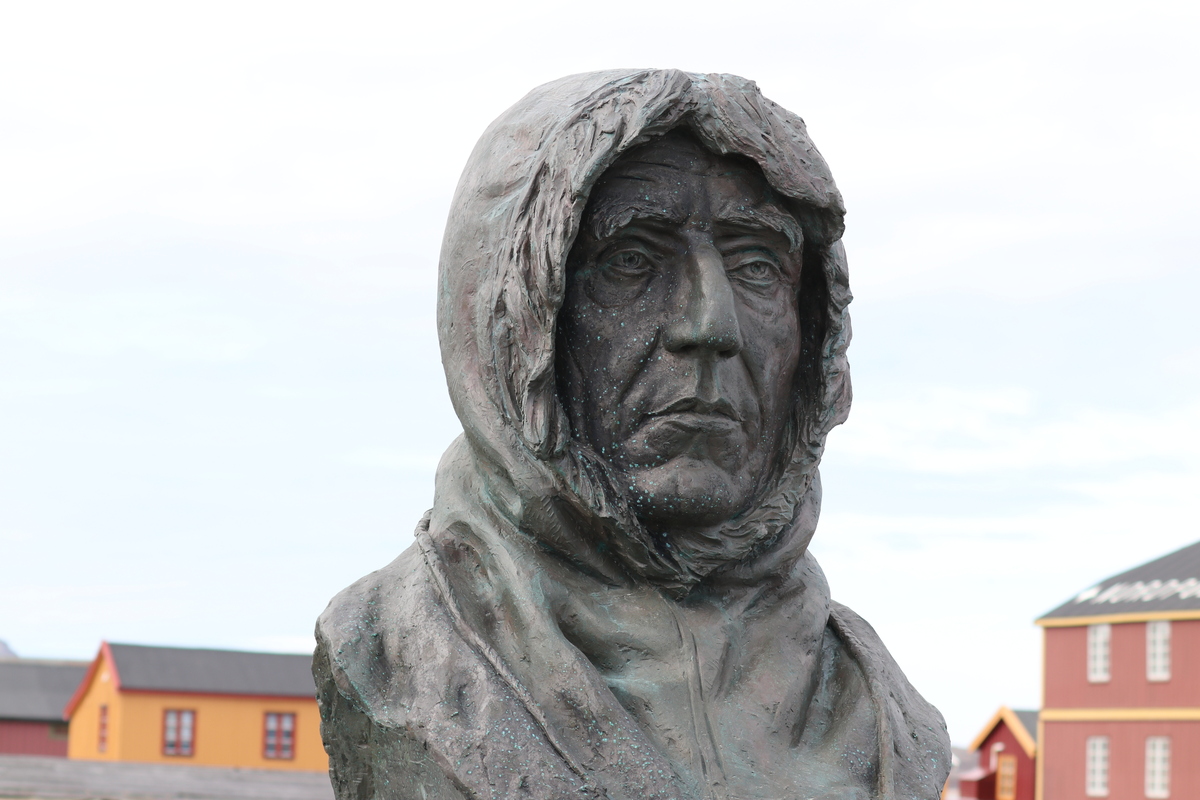
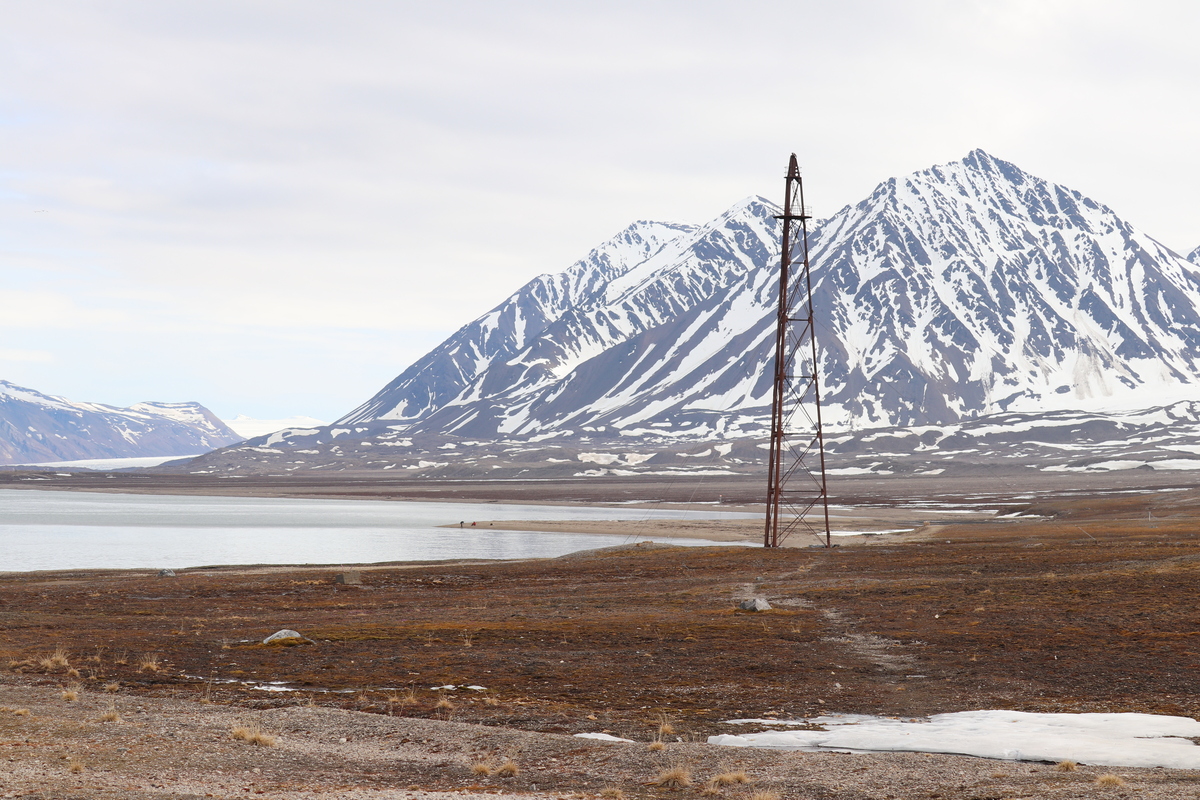
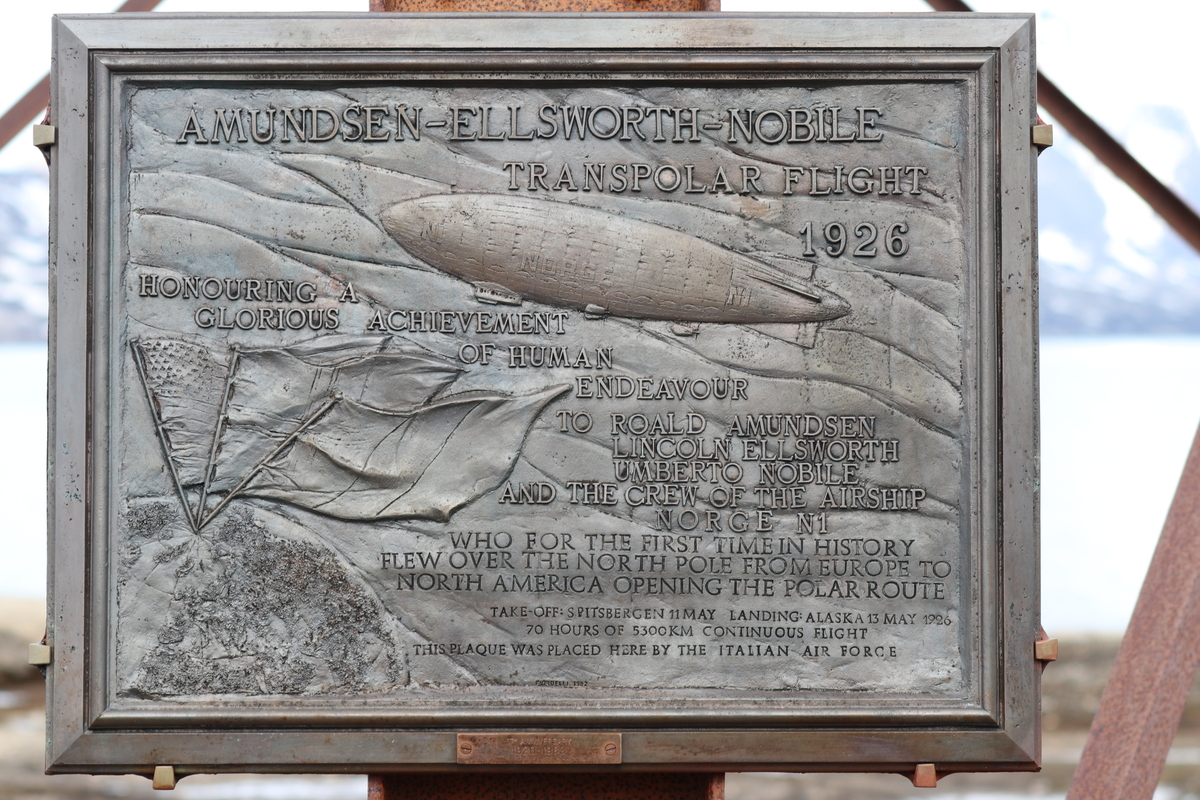
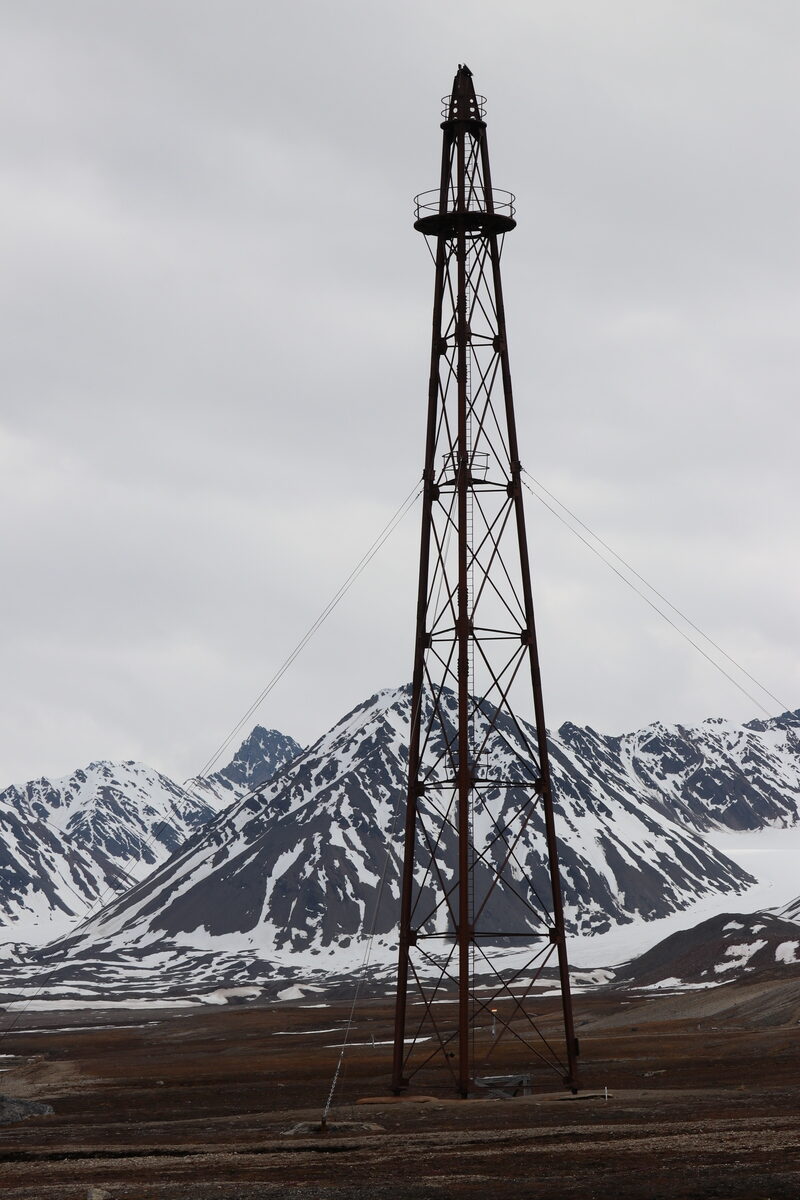
On returning to the boat we sailed to the International Research station at Ny-Alesund. On landing we visited the mast from where the 1926 airship left to make the first crossing of the North Pole and heard the stories of the various previous unsuccessful attempts. We then visited the museum and shop.
Day 10
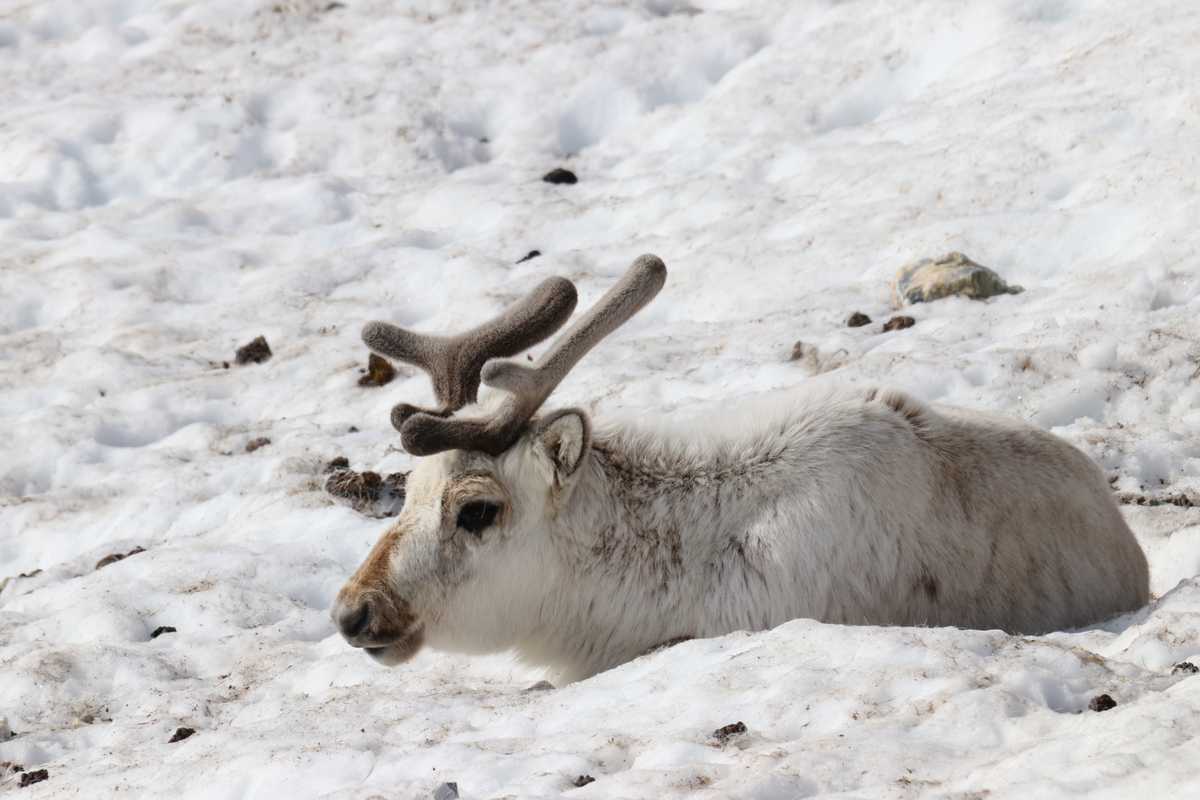
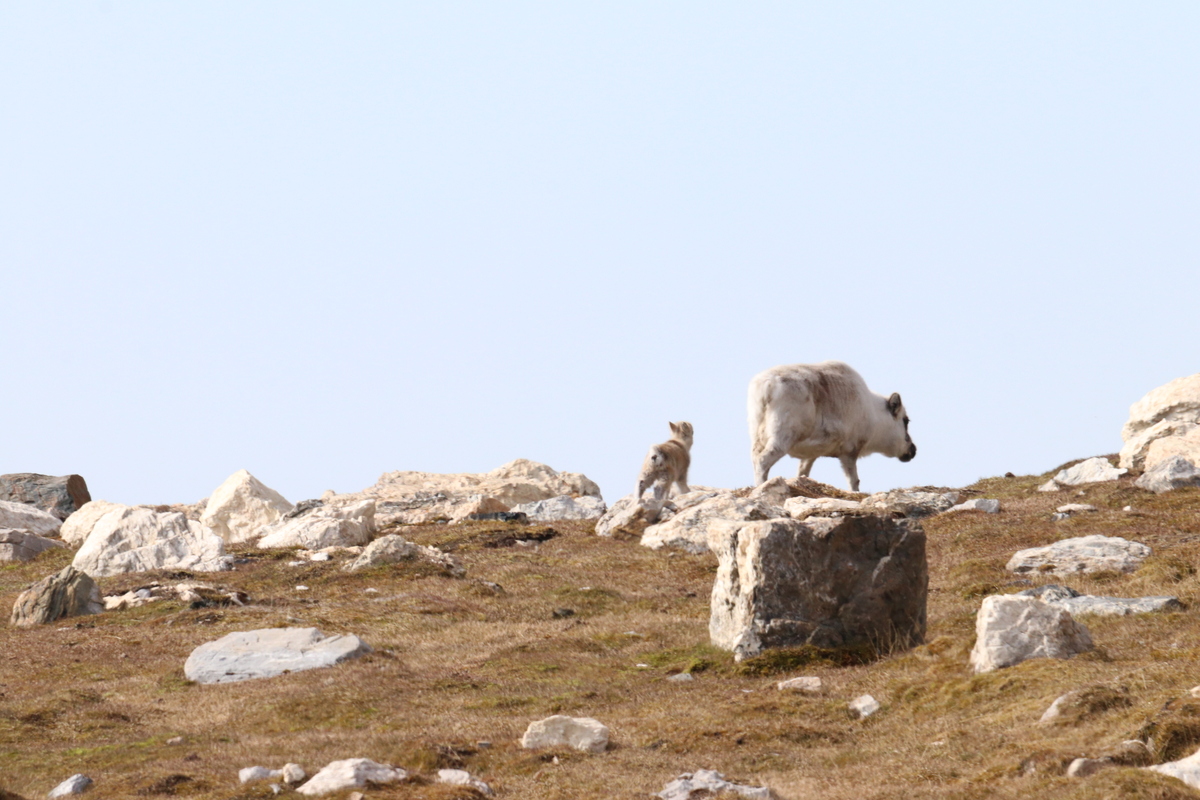
We had moved to the mouth of Isfjord and had a landing near Alkehornet. We were to do a fairly long walk over some moraine and then back along flatter land nearer to the sea. Jordi and Beth hoped we would see reindeer and perhaps an Arctic fox. We saw several reindeer, several of whom had their young with them, but the day’s highlight was yet to come.
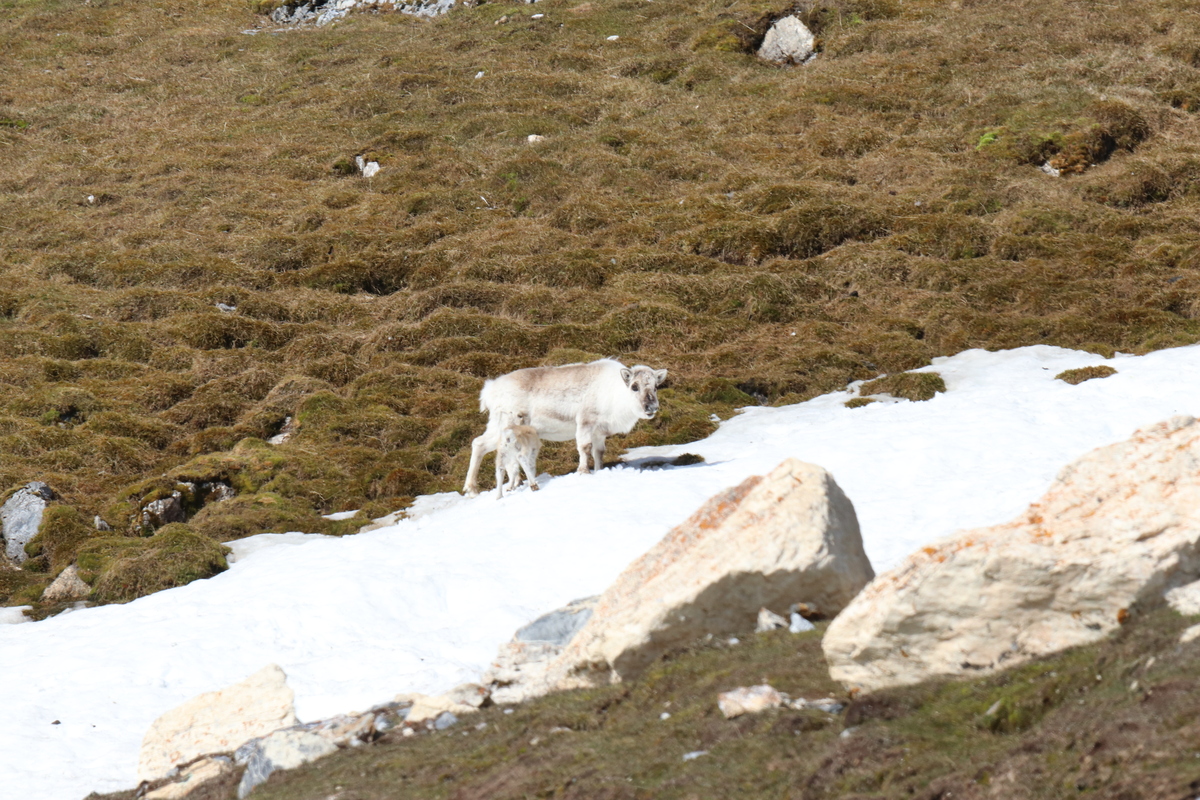
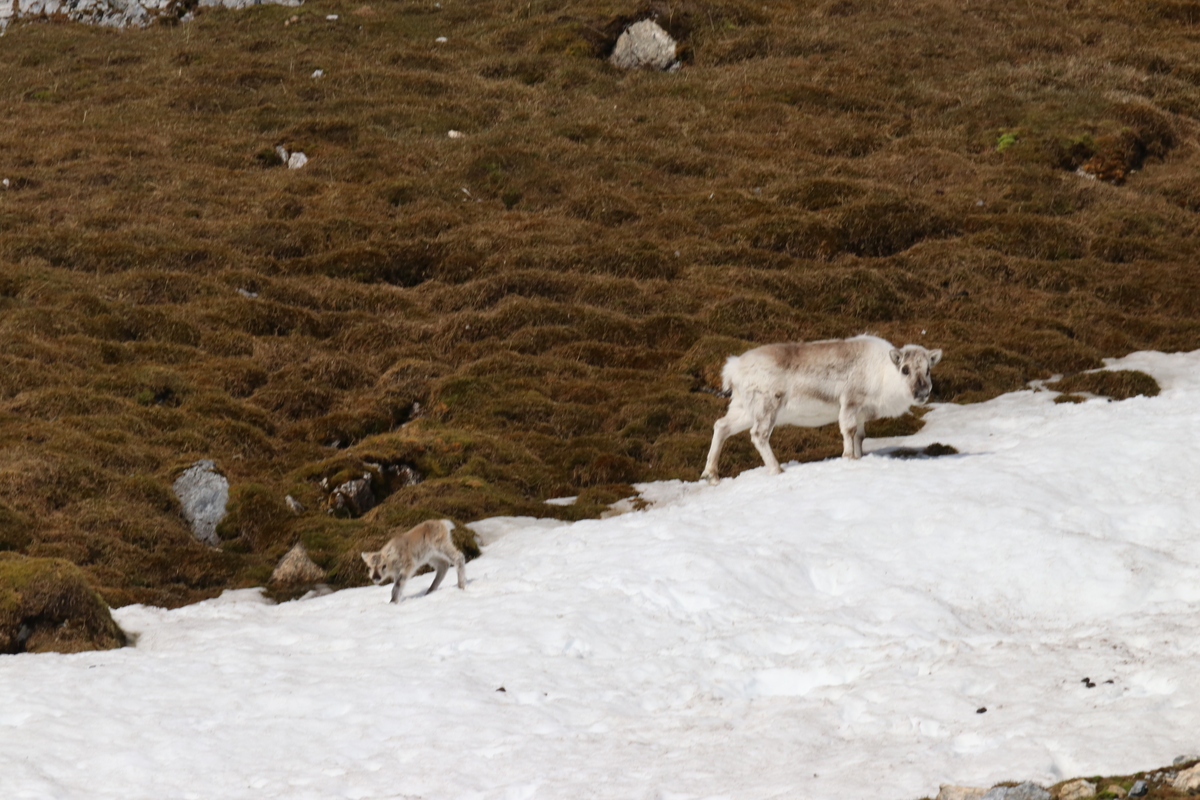
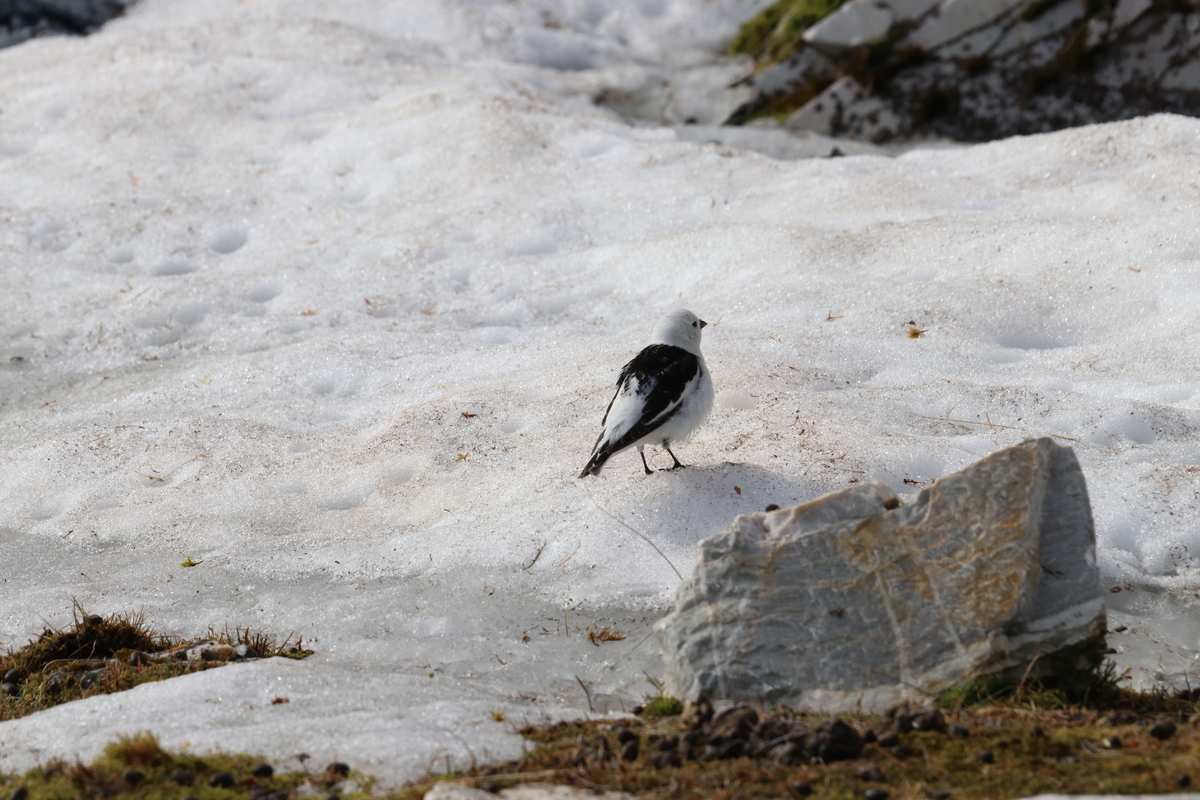
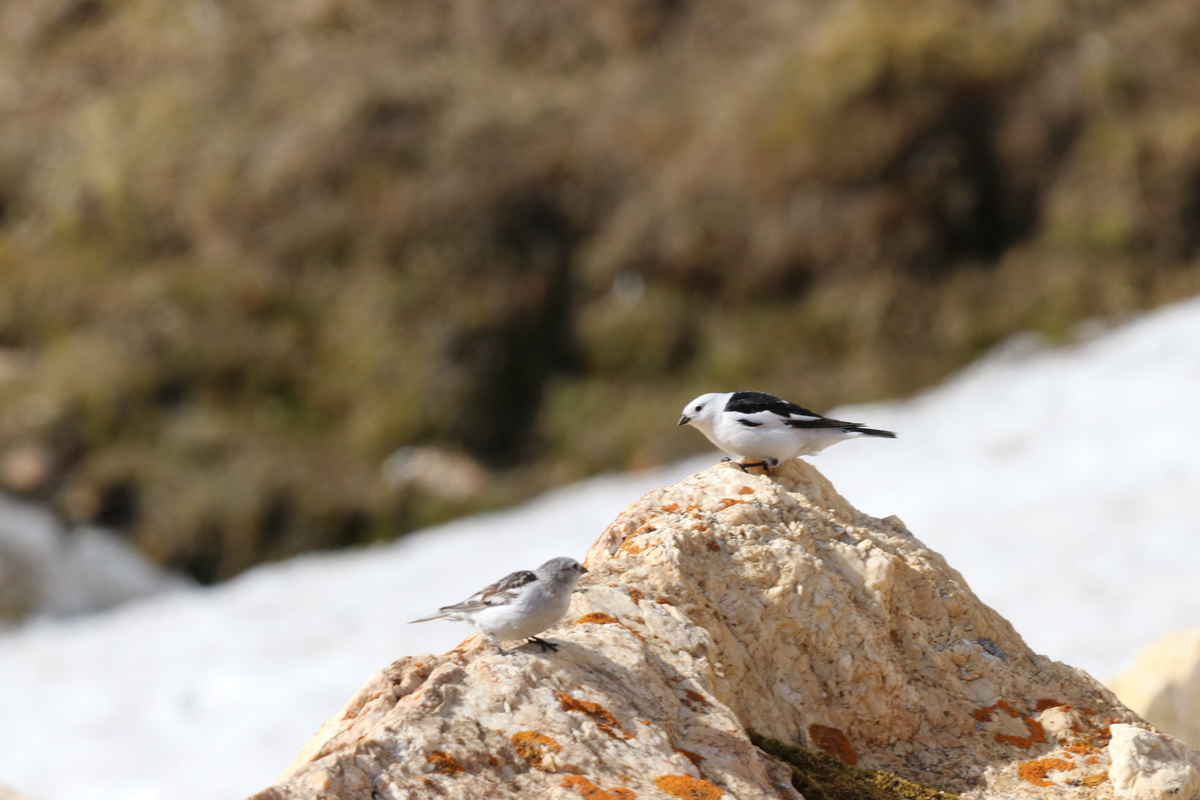
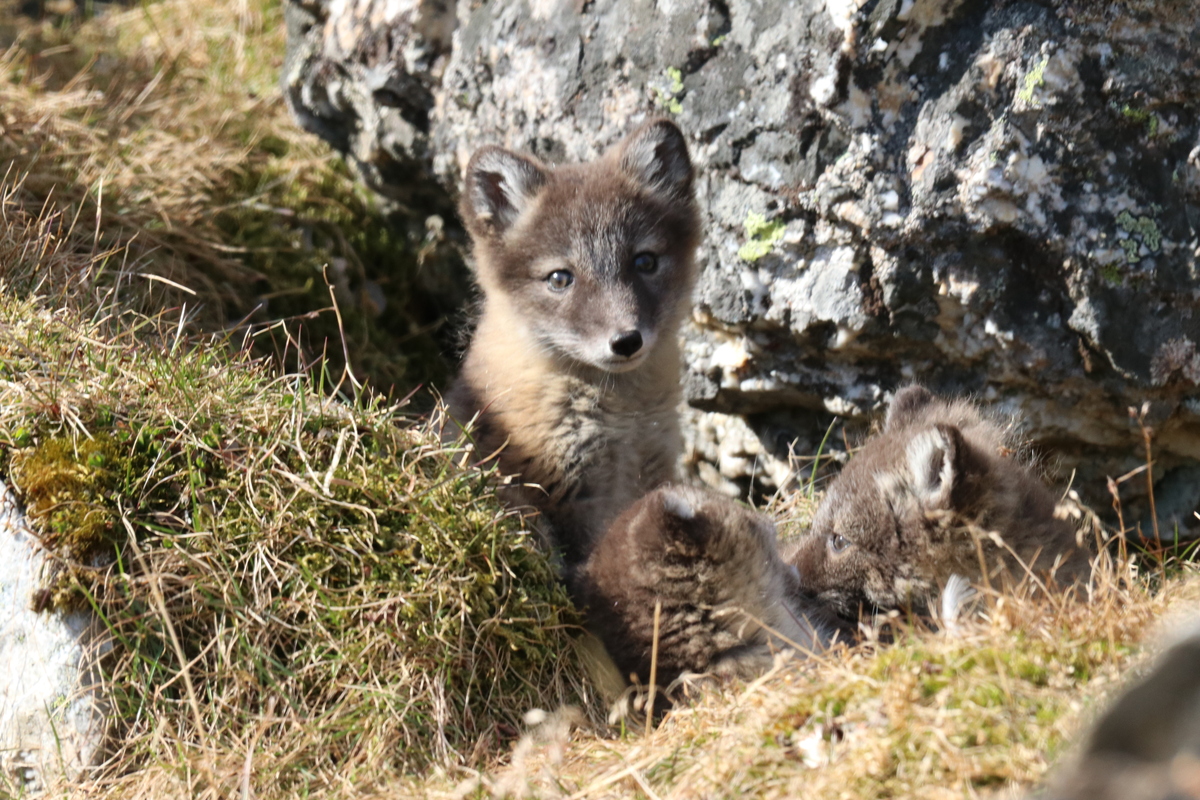
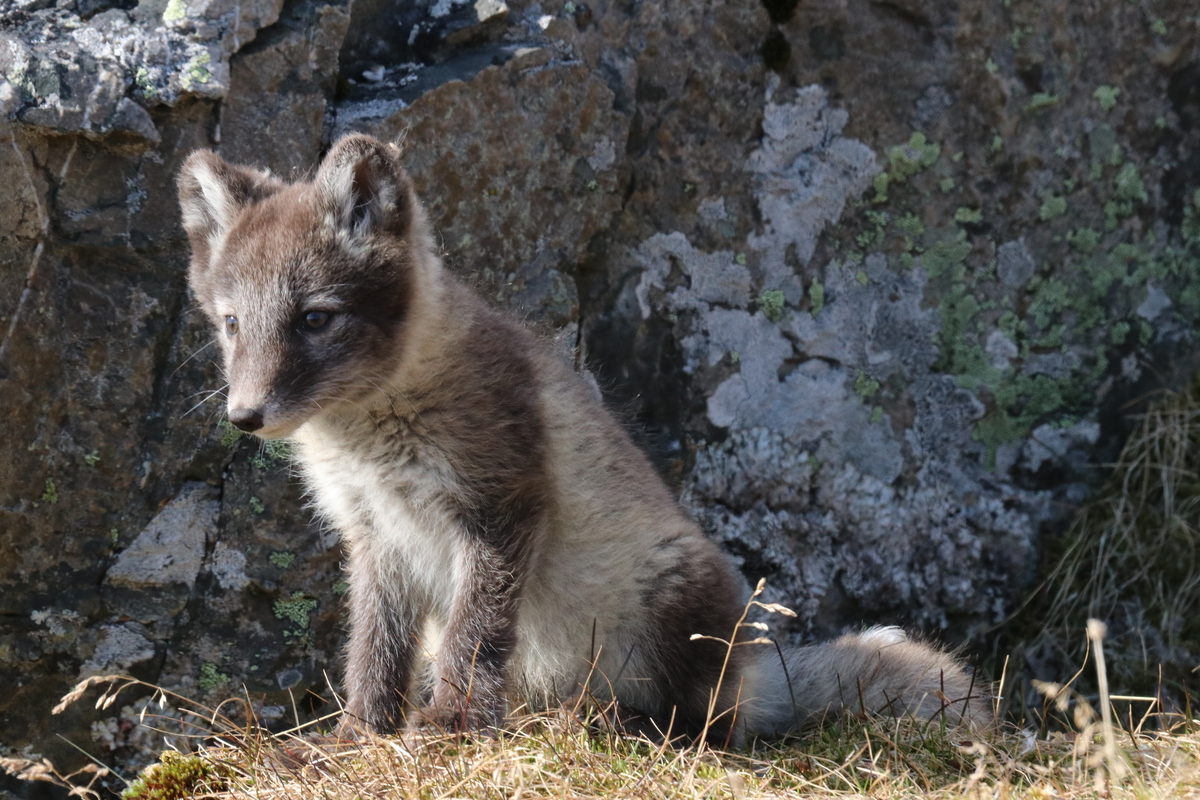
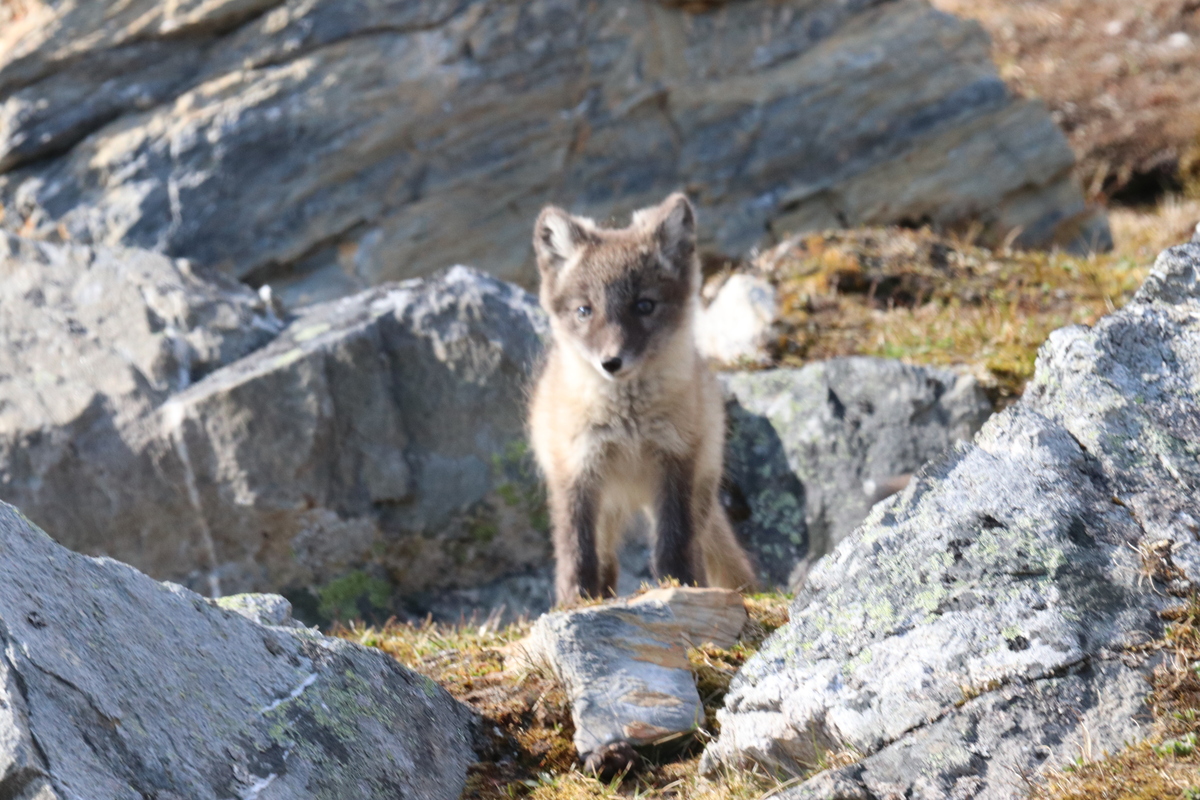
The highlight of the day was when Suzi spotted a fox’s den. We spent quite a while watching the cubs playing, leaving before they could become disturbed by our presence.
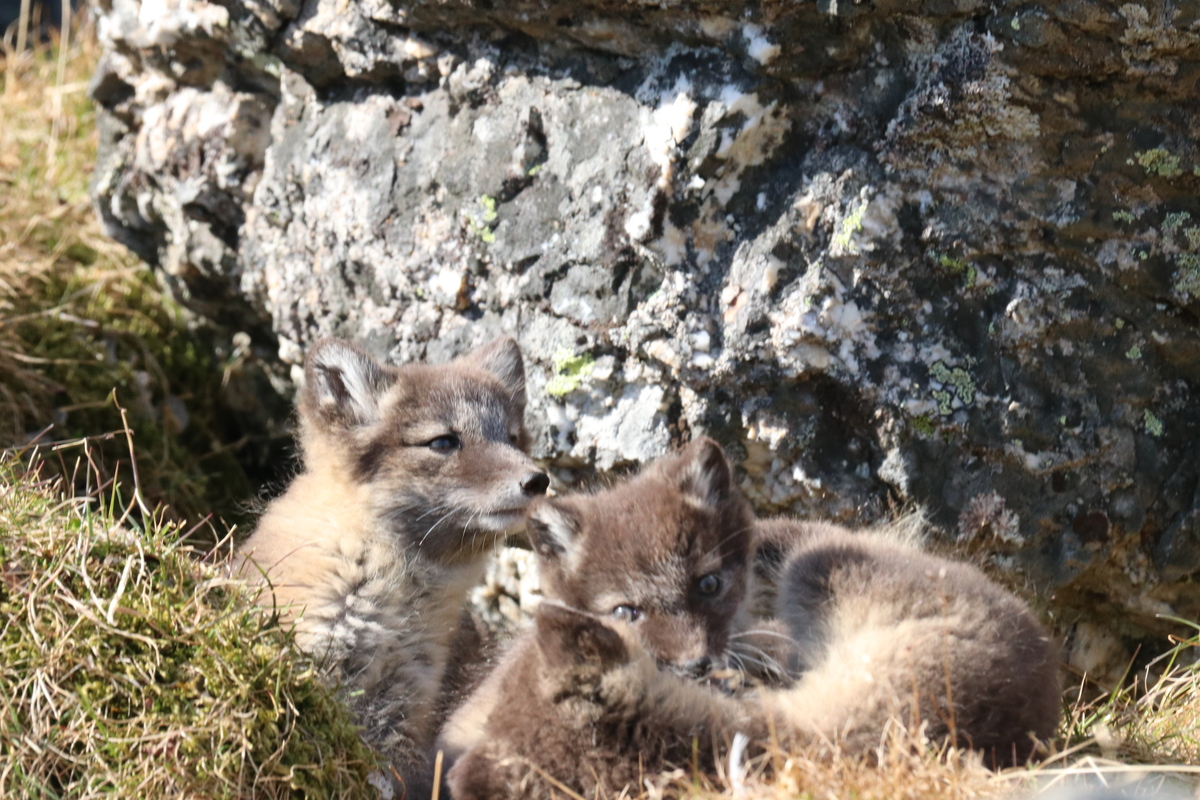
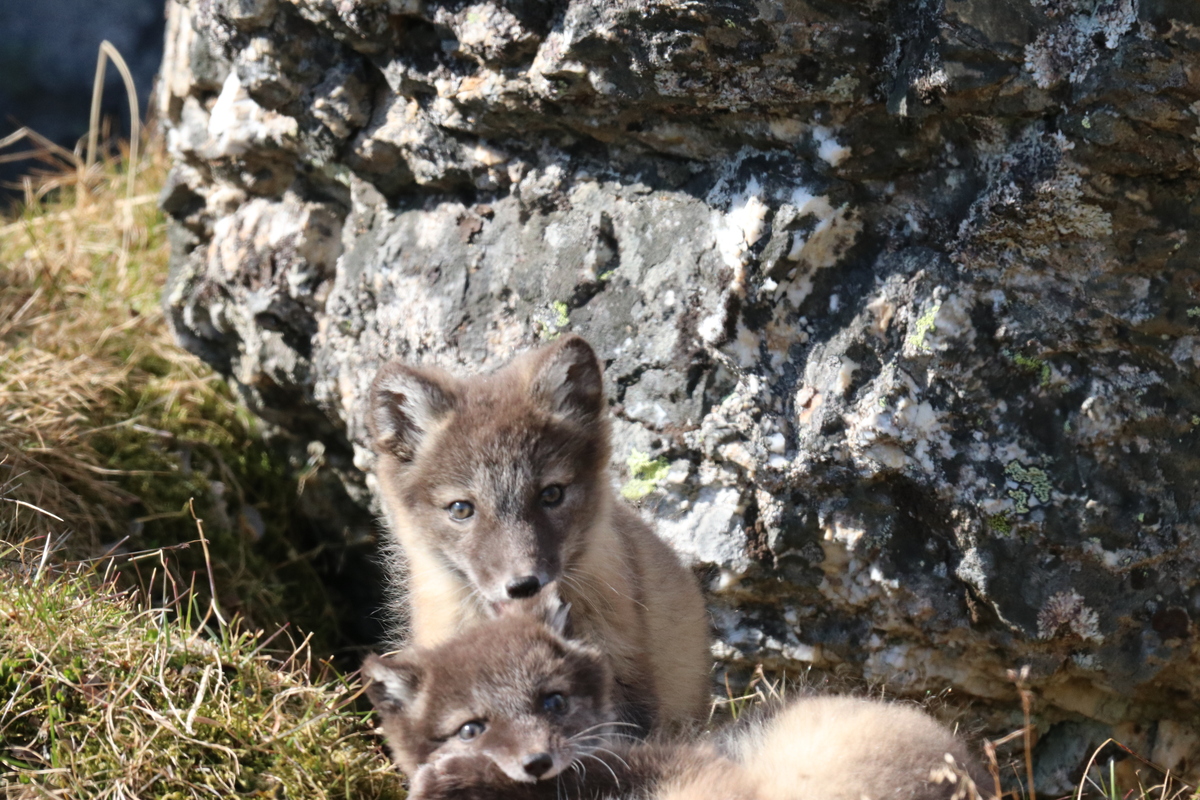
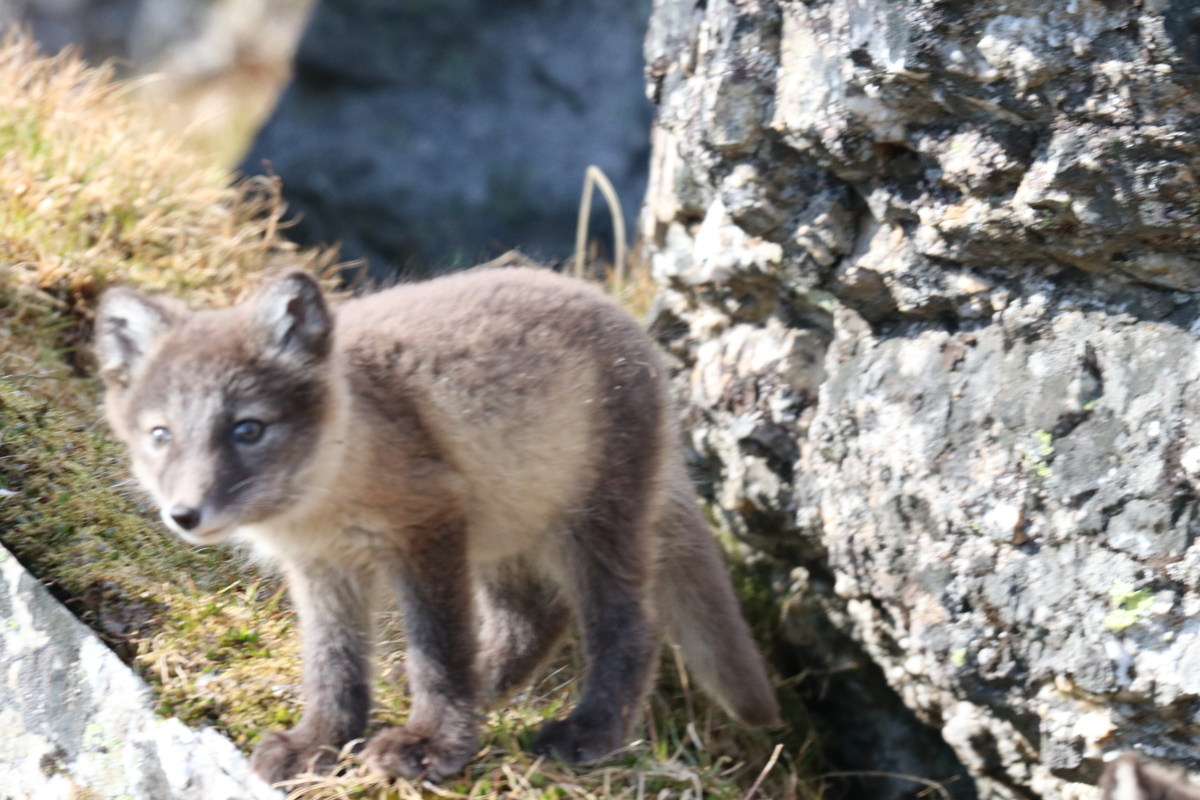

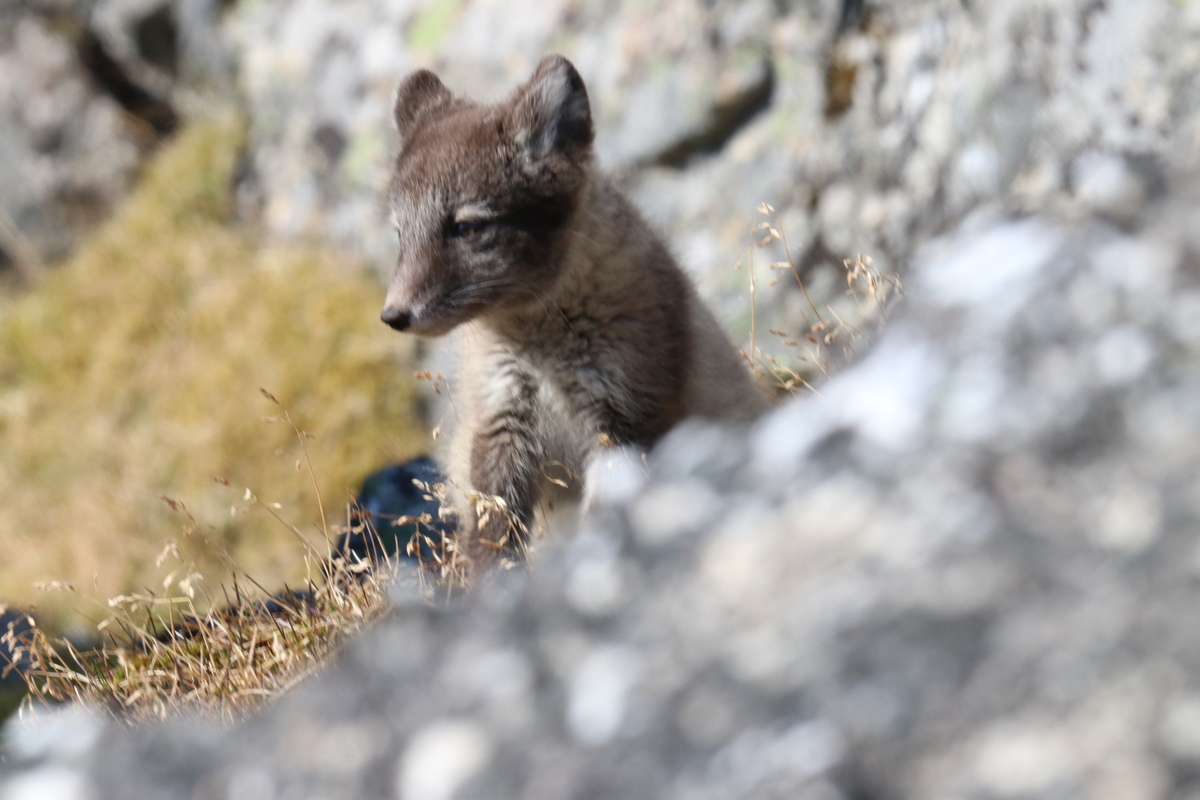

In the afternoon we were heading back to Longyearbyen and the weather was such that we again had the sails up.
Day 11
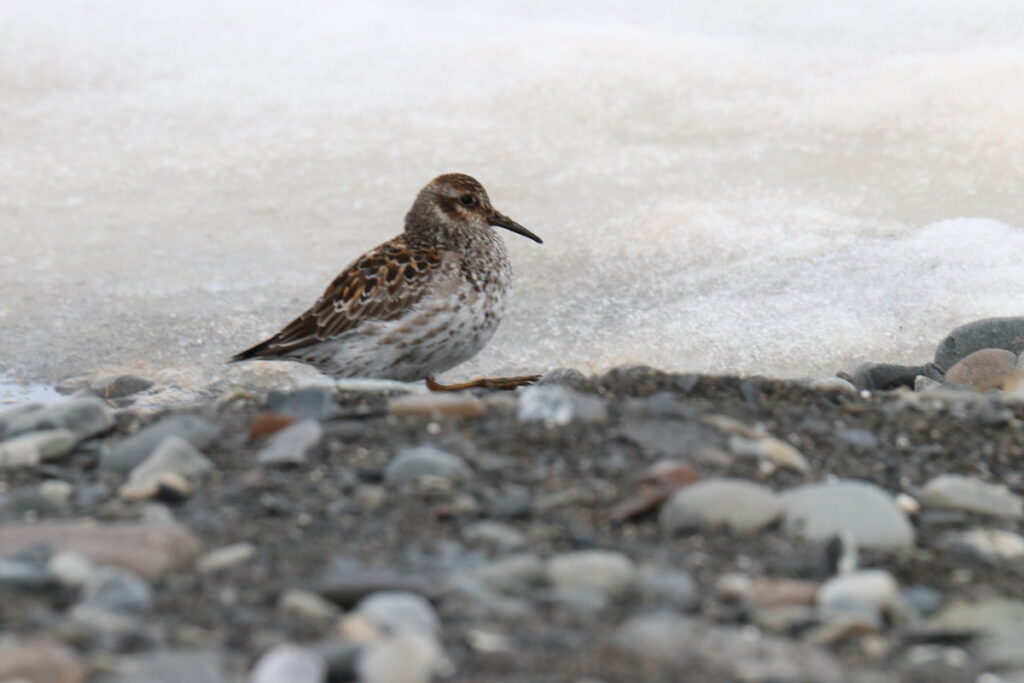
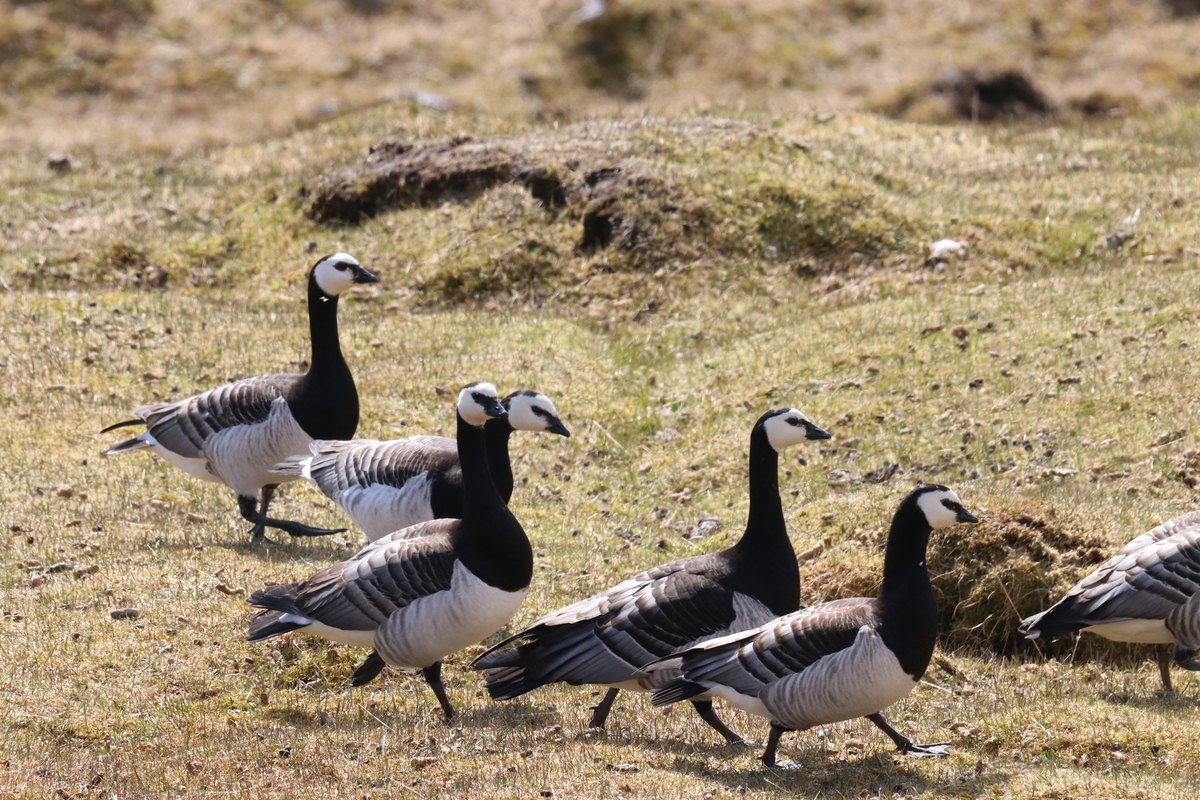
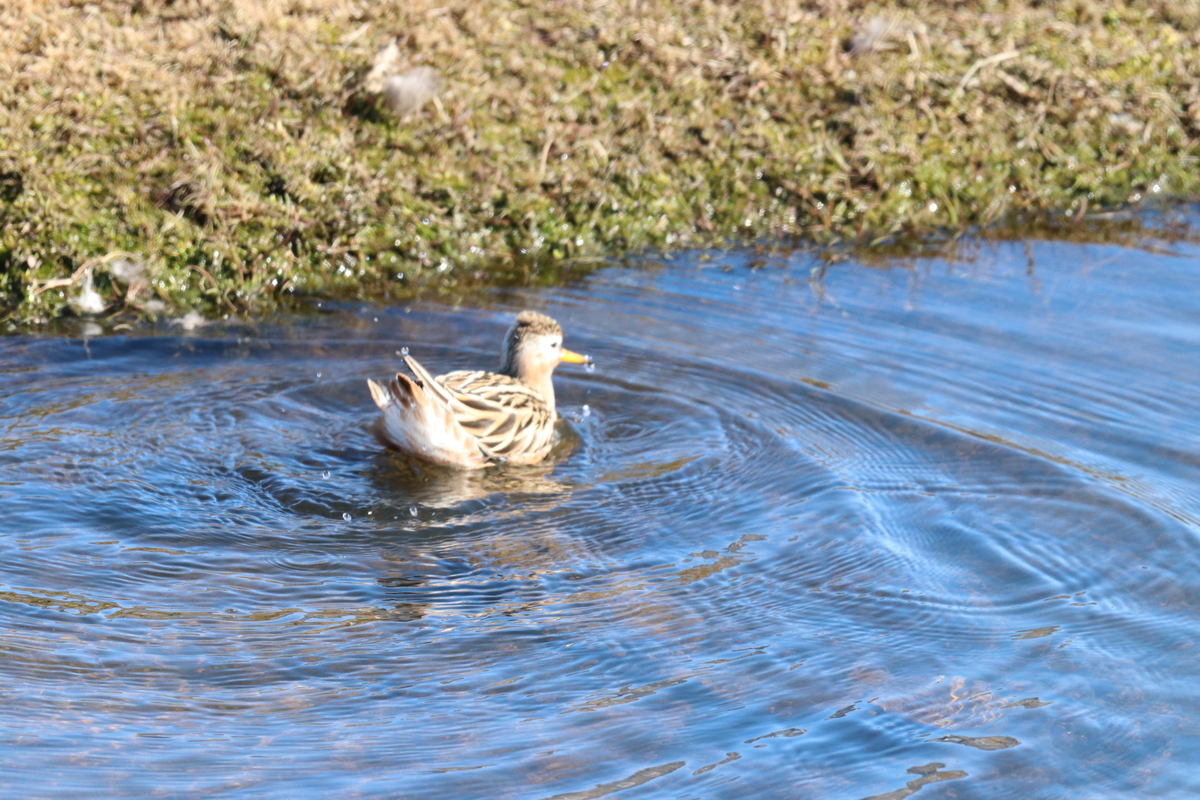
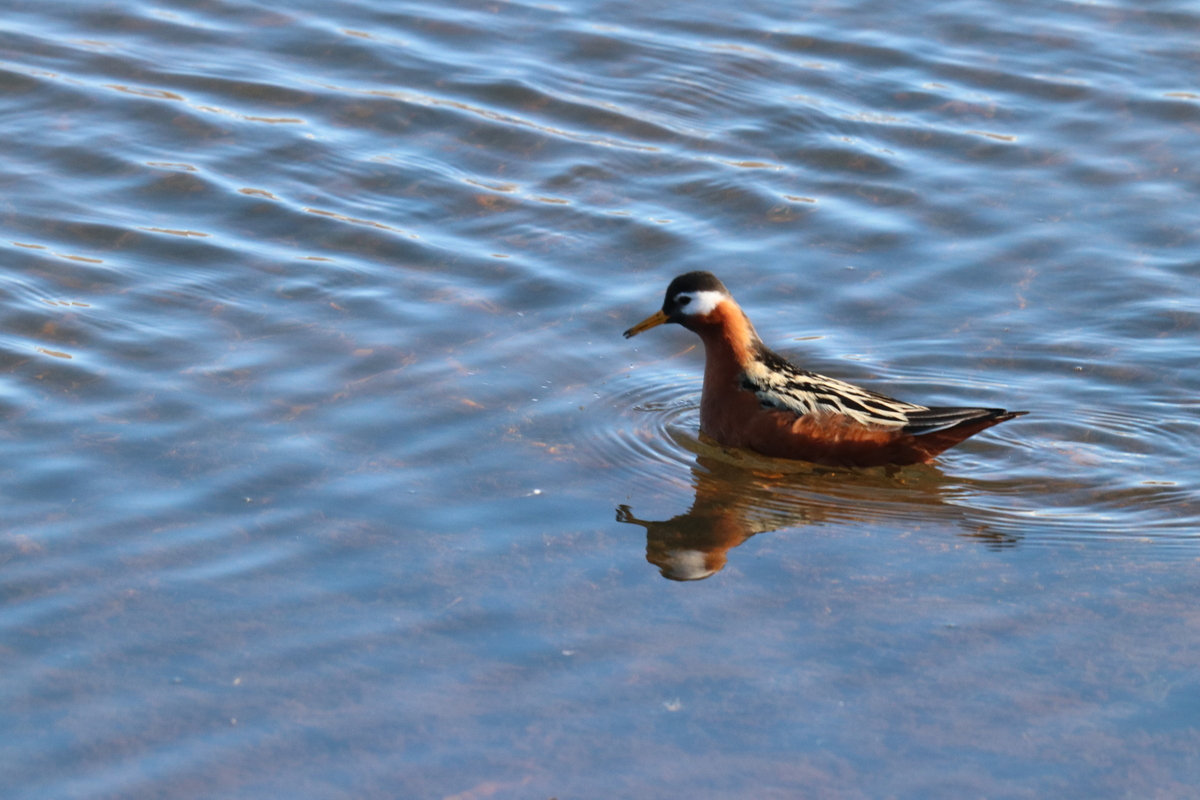
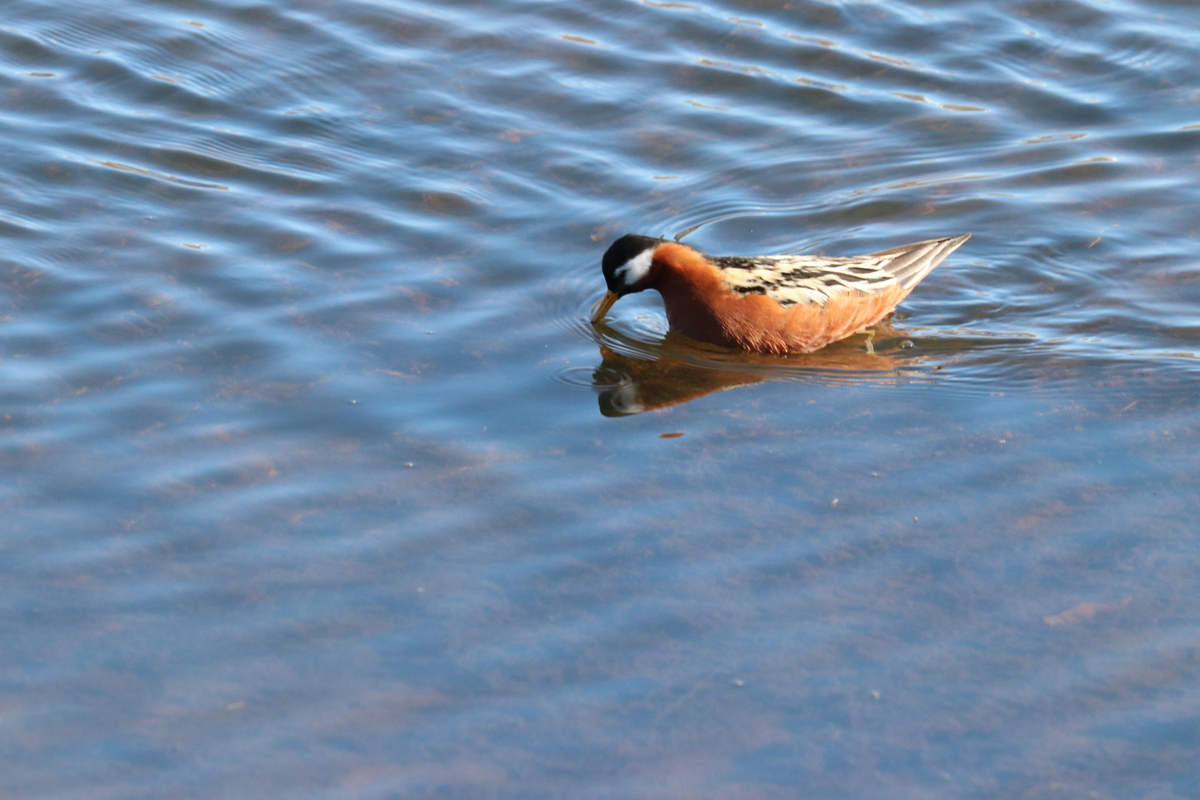
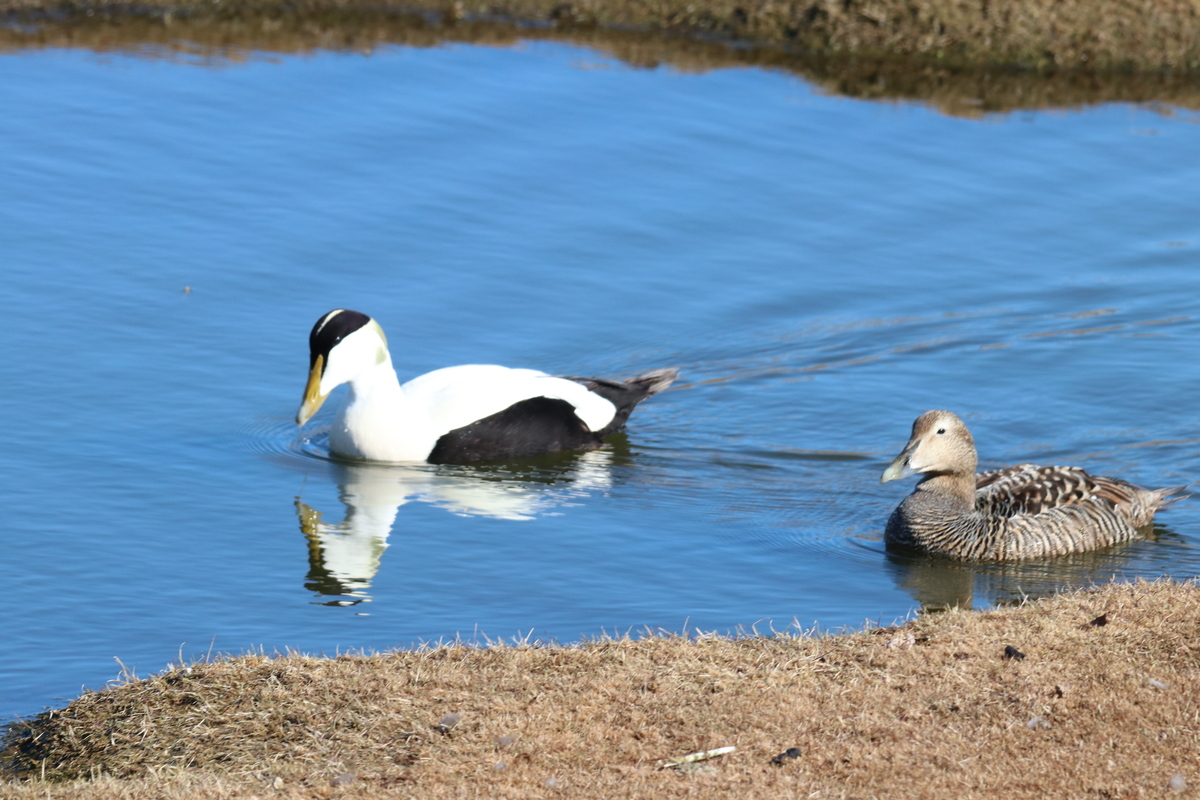
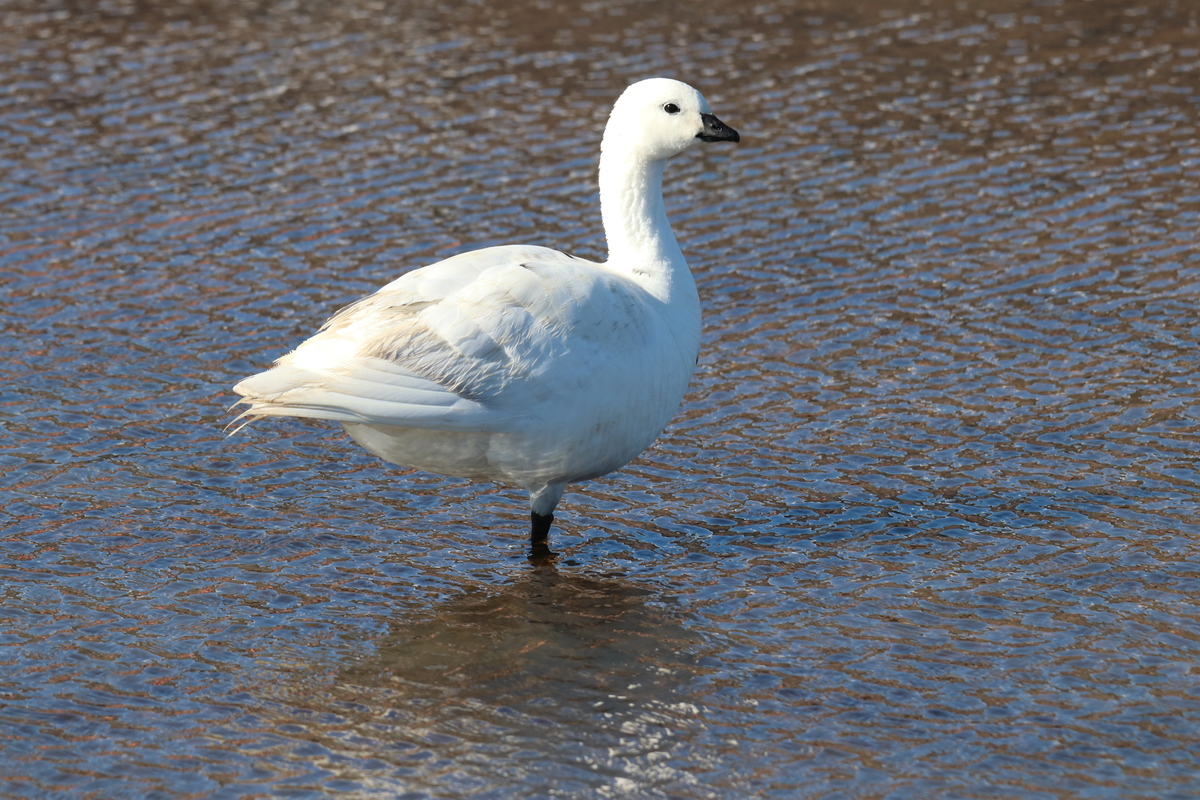
We disembarked in the morning with fond farewells to all for an amazing trip. We had some time before going to the airport so took a walk along the shore. We were very lucky to see a pair of grey phalarope. We were puzzled by the white goose but looked it up to find that it was a ‘leucistic’ barnacle goose rather than a snow goose.
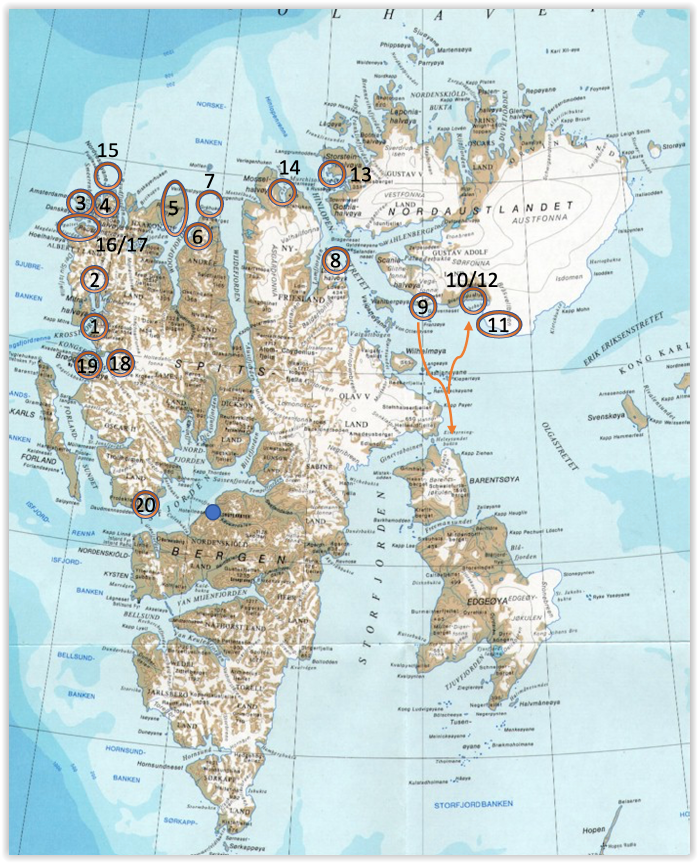
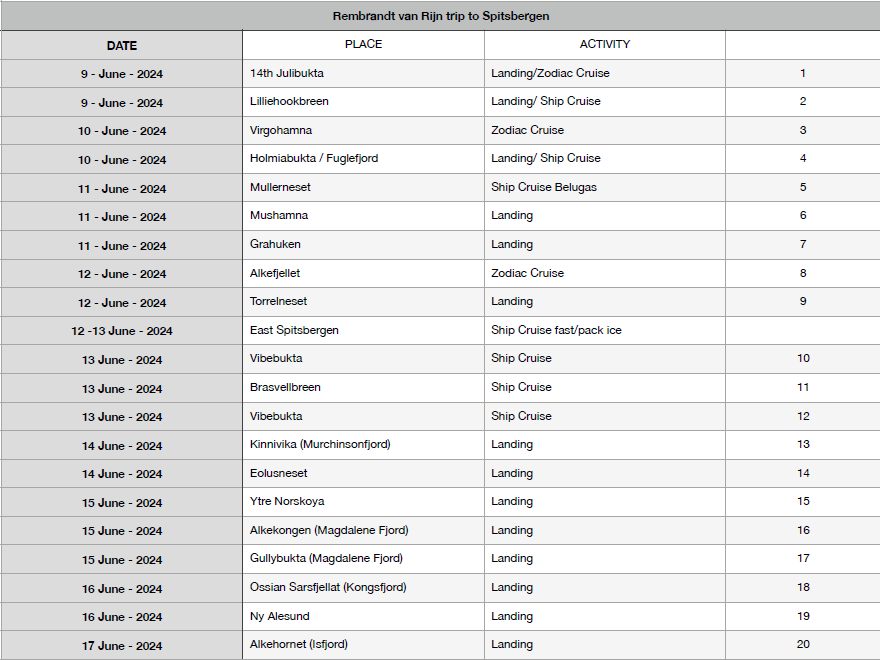
Trip information and map
Jordi compiled a pdf file for us with pictures and descriptions. We have taken from this the map of our voyage and the trip information.
Below is a video of a Zoom talk we gave to our local us3a (Sheffield) about our trip. Click on the arrow to view it. Apologies about the watermark – this was the ‘cost’ of compressing it.